

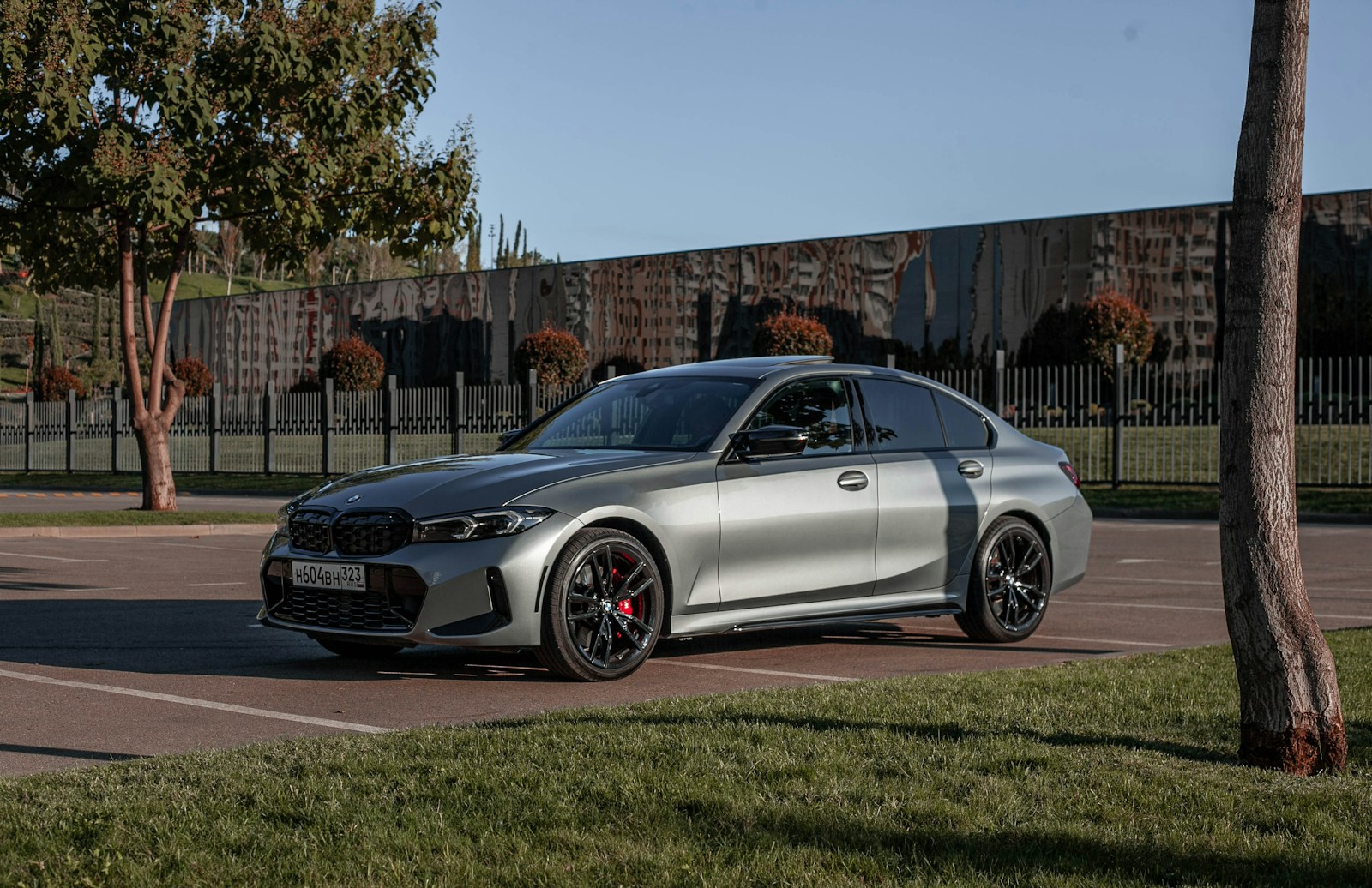
In a surprising turn of events, many high-performance vehicles are utilizing components from their economy counterparts, blurring the lines between budget-friendly and luxury automobiles. This trend affects consumers looking for affordable options without sacrificing performance, proving that advanced engineering can be accessible to a broader audience.
1. Ford Mustang GT and Ford Mustang EcoBoost
The Ford Mustang has long been a symbol of American muscle, but the 2020–2022 Mustang GT offers more than just a powerful V8 engine. The GT shares numerous components with the Mustang EcoBoost, which features a smaller, turbocharged four-cylinder engine. Both models utilize a similar chassis and suspension setup, allowing for exceptional handling while maintaining cost-effectiveness.
This shared architecture not only aids in keeping production costs down but also enhances the performance characteristics of the EcoBoost, making it a compelling choice for buyers seeking a sportier ride without the hefty price tag associated with traditional performance vehicles.
2. Volkswagen Golf R and Volkswagen Golf TSI
The 2022 Volkswagen Golf R, known for its impressive all-wheel-drive system and turbocharged power, shares its underpinning with the more economical Golf TSI model. Both cars utilize the same MQB platform, which allows the Golf R to deliver exhilarating performance while retaining many of the cost-saving features found in the TSI.
This platform-sharing strategy results in reduced manufacturing costs, making the Golf R more financially viable for Volkswagen while still delivering a thrilling driving experience. The Golf R’s 315 horsepower engine is a stark contrast to the TSI’s 147 horsepower, but both benefit from the same engineering excellence.
3. Chevrolet Camaro SS and Chevrolet Camaro LT
The Chevrolet Camaro has been a favorite among performance enthusiasts, and the 2020–2022 Camaro SS showcases the brand’s clever use of shared components. The SS model, equipped with a powerful 6.2-liter V8 engine, shares its chassis and suspension system with the more budget-friendly Camaro LT, which comes with a turbocharged four-cylinder engine.
This commonality not only enhances the driving dynamics of both models but also helps Chevrolet reduce production costs. As a result, buyers can enjoy the thrill of driving a Camaro without breaking the bank, proving that performance can be both exhilarating and attainable.
4. BMW M340i and BMW 330i
The 2021 BMW M340i is the performance-oriented version of the 3 Series, but it incorporates many parts from the more economical 330i model. Both vehicles share the same chassis, transmission, and many interior components, which helps keep production costs manageable for BMW.
The M340i is powered by a robust 382-horsepower inline-six engine, while the 330i offers a more modest 255-horsepower four-cylinder engine. This strategic sharing allows BMW to offer a high-performance vehicle that does not stray too far from the financial reach of the average consumer.
5. Subaru WRX and Subaru Impreza
The Subaru WRX has earned a reputation for its rally-inspired performance, but it shares a significant number of components with the more practical Subaru Impreza. Both models utilize the same platform, drivetrain, and many interior elements, which helps Subaru keep production costs low while delivering a thrilling driving experience with the WRX’s turbocharged engine.
This relationship between the two models allows Subaru to cater to a broader audience, offering the performance enthusiast the WRX while still providing an economical choice with the Impreza. The 2022 WRX, boasting 271 horsepower, is an exciting alternative for those who desire sportiness without completely ditching practicality.
6. Audi S3 and Audi A3
The 2022 Audi S3 exemplifies the blend of luxury and performance, sharing its foundation with the more economical Audi A3. Both vehicles utilize the same MQB platform, which is a hallmark of Audi’s engineering prowess. The S3 is powered by a turbocharged 2.0-liter four-cylinder engine that produces 306 horsepower, while the A3 offers a more modest version of the same engine.
This shared design not only helps Audi maintain competitive pricing but also allows customers to enjoy premium features and advanced technology in both models. The ability to tap into the same components ensures that performance and economy can coexist in the luxury segment.