

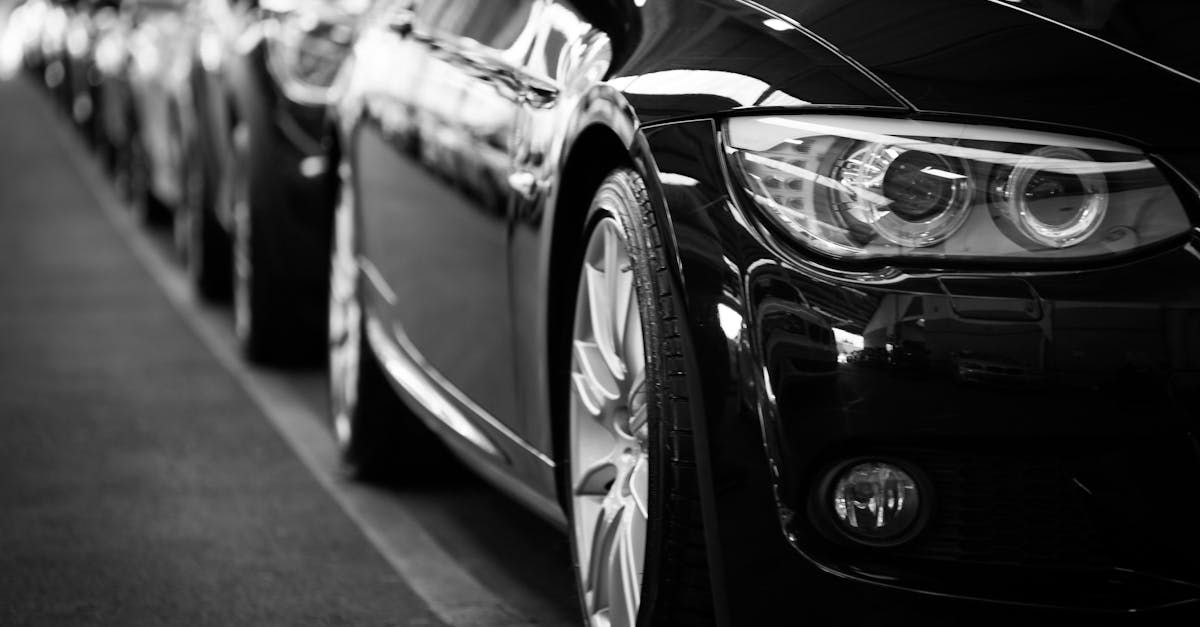
As the automotive industry shifts towards electric and high-tech vehicles, many baby boomers are expressing their preference for classic cars over modern models. This sentiment is significant as it highlights a cultural divide in automotive appreciation, with classic car enthusiasts arguing that modern vehicles lack the character, simplicity, and craftsmanship that define their favorite models. Here are six reasons why boomers believe modern cars fall short of their classic counterparts.
1. Nostalgia and Emotional Connection
For many boomers, classic cars represent not just transportation, but a cherished part of their youth. Models like the 1967 Ford Mustang or the 1970 Chevrolet Chevelle evoke memories of freedom, adventure, and simpler times. According to a survey conducted by the Classic Car Club of America, 78% of respondents aged 55 and older stated that classic cars remind them of their past, fostering a strong emotional connection that modern vehicles simply do not offer.
2. Simplicity of Design
Modern cars are often laden with complex technology and electronic systems, which can be intimidating for those who grew up with simpler mechanics. Boomers appreciate the straightforward design of classic cars, which often feature less electronic interference and are easier to repair. For example, a 1970 Volkswagen Beetle has minimal electronic components compared to a 2021 Tesla Model 3, making it more accessible for enthusiasts who prefer hands-on maintenance.
3. Craftsmanship and Quality Materials
Many boomers argue that the materials used in classic cars were superior to what is found in many modern vehicles. Classic cars often featured real wood, metal, and leather interiors, whereas modern cars sometimes utilize synthetic materials to reduce costs. According to automotive expert John McElroy, “The craftsmanship in vehicles like the 1969 Dodge Charger or the 1959 Cadillac Eldorado is unmatched, showcasing an era when quality was paramount.” This perceived decline in craftsmanship resonates with boomers who value durability and aesthetic appeal.
4. Driving Experience and Engagement
Baby boomers often cite the driving experience of classic cars as a significant factor in their preference. With manual transmissions and responsive steering, models like the 1969 Chevrolet Camaro or the 1971 Plymouth Barracuda provide a level of driver engagement that many modern cars, particularly automatics, do not replicate. A 2022 study from the National Highway Traffic Safety Administration (NHTSA) found that 65% of older drivers feel more connected to the driving experience in classic cars, emphasizing the joy of driving over the convenience of modern technology.
5. Aesthetic Appeal and Individuality
Classic cars are often celebrated for their unique designs and diverse aesthetics, which allow owners to express their individuality. Boomers argue that modern cars tend to have a more homogenized look due to aerodynamic efficiency and brand conformity. For instance, the 1965 Pontiac GTO stands out with its bold lines and distinctive grille, whereas many contemporary sedans share similar shapes and features. This lack of variety can make modern vehicles feel less special to those who value distinctiveness in automotive design.
6. Community and Culture
The classic car community provides a sense of belonging that resonates with boomers. Car shows, clubs, and restoration projects foster social connections and shared passions among enthusiasts. According to the Specialty Equipment Market Association (SEMA), there are over 1,500 classic car clubs in the United States, many of which cater to older generations. In contrast, modern car ownership often lacks this communal aspect, leaving some enthusiasts feeling isolated despite the proliferation of online forums and automotive apps.
Conclusion: The Enduring Appeal of Classic Cars
The debate between classic and modern cars is not merely about technology or design; it reflects deeper values and experiences that many boomers hold dear. While modern cars may offer advancements in safety and efficiency, the emotional connection, craftsmanship, and community associated with classic cars remain unparalleled. As the automotive industry continues to evolve, it is crucial to recognize and appreciate the timeless allure of classic vehicles. For those who have yet to experience the joy of a classic car, consider attending a local car show or joining a classic car club to explore this rich culture firsthand.
To stay informed about the latest developments in the automotive world and engage with fellow enthusiasts, subscribe to automotive news outlets and join discussions in your community. Your next classic car adventure may be just around the corner.