

Anyone shopping for a new pickup has felt the sticker shock, and it is not just dealer markups or fancy trim packages. A perfect storm of supply problems, policy choices, and tech upgrades has pushed truck prices into luxury-car territory. Here are six concrete reasons new trucks cost a fortune now, and how each one feeds into the eye-watering numbers on the window sticker.
1) The Semiconductor Chip Shortage Crippling Production
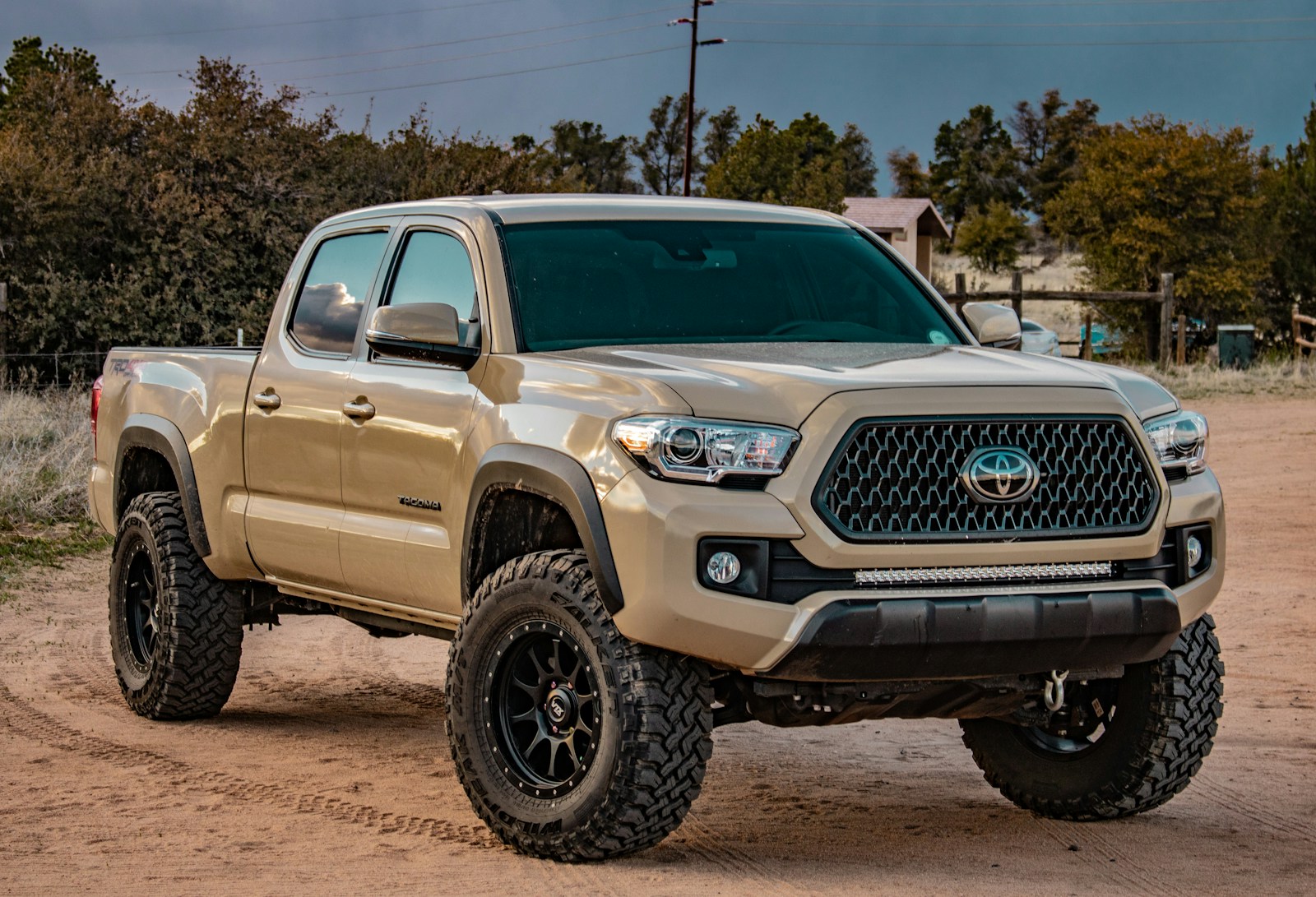
The semiconductor crunch is still rippling through truck lots. When COVID-19 hit, chip makers shifted capacity toward laptops, phones, and game consoles, and the auto industry got caught short. As Now reported, the shortage hit cars and electronics at the same time, pushing prices higher for anything with a circuit board. Modern pickups rely on dozens of chips for engine management, infotainment, and driver aids, so losing even a few components can sideline an entire truck.
The impact on heavy-duty rigs has been especially visible. One analysis citing WSJ and ACT Research noted that production was slowed by exactly 14,920 units, a huge number in a segment where fleets buy in bulk. Fewer trucks built means fewer trucks on dealer lots, and that scarcity lets sellers hold the line on price or even tack on premiums, especially for high-demand models like Ford F-Series and Chevrolet Silverado HD.
2) Skyrocketing Demand for Pickups Amid Shortages
At the same time supply has been squeezed, Americans have only wanted more trucks. Market data shows full-size pickup sales jumping roughly 20 percent from 2019 to 2022, even as inventory stayed tight. That kind of demand surge, right in the middle of a production crunch, gives manufacturers enormous pricing power. They can prioritize profitable trims, load them with options, and still move them quickly because buyers are lining up for work trucks, family haulers, and lifestyle rigs alike.
With that backdrop, dealers know they do not have to bargain much. A contractor who needs a new Ram 2500 to keep jobs moving, or a farmer replacing a worn-out GMC Sierra, cannot easily wait a year for prices to cool. Instead, they accept higher monthly payments, longer loan terms, or fewer incentives. The result is a market where transaction prices keep climbing, not because trucks suddenly got glamorous, but because demand is running hotter than the already constrained supply.
3) Inflation Hitting Key Materials Like Steel
Even before a single option is added, the raw ingredients in a truck have gotten pricier. According to global industry data, steel prices rose about 50 percent from 2020 to 2023 as supply chains snarled and mills struggled to keep up. For a vehicle that can weigh well over 5,000 pounds and uses thick frames, reinforced beds, and heavy suspension parts, that jump in steel costs hits the bottom line fast. Aluminum, used in body panels and engines, has also seen volatile pricing.
Automakers can try to hedge or redesign components, but they cannot build a half-ton or three-quarter-ton pickup without a lot of metal. When the bill for steel and aluminum climbs, manufacturers pass much of that increase into the sticker price. Buyers may not see a “steel surcharge” on the window, yet they feel it in higher base MSRPs and fewer low-cost configurations, especially on popular models like the Ford F-150 and Chevrolet Silverado 1500.
4) Ongoing Tariffs on Imported Parts
Material inflation is only part of the story, because tariffs have layered on extra cost. Under President Donald Trump, the United States put a 25 percent tariff on imported medium- and heavy-duty trucks and parts, along with a 10 percent duty on buses. One report on Trump administration policy detailed how those charges hit foreign-built components that still feed into domestic assembly lines. Another breakdown of Trump tariffs under Section 232 showed the same 25 percent rate applied broadly to medium- and heavy-duty trucks and their parts.
On top of that, a separate analysis noted that The US would impose a 25 percent tariff on all imported medium and heavy duty trucks, calling it a dramatic escalation. For truck buyers, the nuance of trade law matters less than the outcome: higher landed costs for frames, axles, and finished vehicles that cross the border. Those extra charges ripple through the supply chain and eventually show up in higher prices for everything from bare-bones chassis cabs to fully loaded diesel pickups.
5) Labor Shortages Driving Up Manufacturing Wages
Even when parts are available, finding people to build trucks has become harder. U.S. manufacturing has been facing a deficit of about 600,000 workers as of 2023, according to federal employment data. Assembly plants, suppliers, and logistics hubs all compete for the same pool of skilled labor, so wages and signing bonuses have climbed. For automakers, labor is a major fixed cost, and when it rises quickly, it pushes the per-truck cost higher, especially on labor-intensive heavy-duty models.
Those staffing gaps also create bottlenecks. A plant that cannot run full shifts because it lacks technicians or welders will produce fewer trucks, which tightens supply even more. That combination of higher payroll and lower throughput is brutal for pricing. To protect margins, manufacturers raise MSRPs, trim low-profit trims, or both. Buyers then see fewer “work truck” specials and more expensive mid- and high-level trims on the lot, nudging average transaction prices up yet again.
6) Mandatory Tech Upgrades Adding Hidden Costs
Finally, the tech packed into modern pickups is not cheap. Advanced driver-assistance systems, or ADAS, have gone from optional to effectively mandatory as safety rules tighten. According to a National Highway Traffic rulemaking summary, 2023 regulations require a growing list of ADAS features, and industry estimates put the added cost at roughly $1,000 to $2,000 per vehicle. That covers hardware like radar sensors and cameras, plus the software and calibration work to make it all function reliably.
Layer that on top of big touchscreens, connected services, and complex emissions controls, and today’s half-ton looks more like a rolling computer than a simple work rig. While buyers appreciate features like automatic emergency braking and lane-keeping assist, they are effectively baked into the base price. There is no way to order a “1995-style” bare truck anymore, so even the cheapest new pickups carry the cost of tech that regulators now expect and manufacturers must deliver.
More from Wilder Media Group: