


If you’ve ever seen flashing lights in your rearview mirror, you know the emotional roller coaster: “Was I really going that fast?” followed by “Please don’t let this ruin my week.” And then, somehow, the officer hands you a warning and tells you to drive safe. It can feel like you just won the lottery without buying a ticket.
Warnings aren’t random acts of kindness, though. Most of the time, they’re a decision based on what the officer sees, what they know, and what they’re trying to accomplish in that moment. Here are six common reasons a stop ends with “I’m letting you off with a warning” instead of a citation.
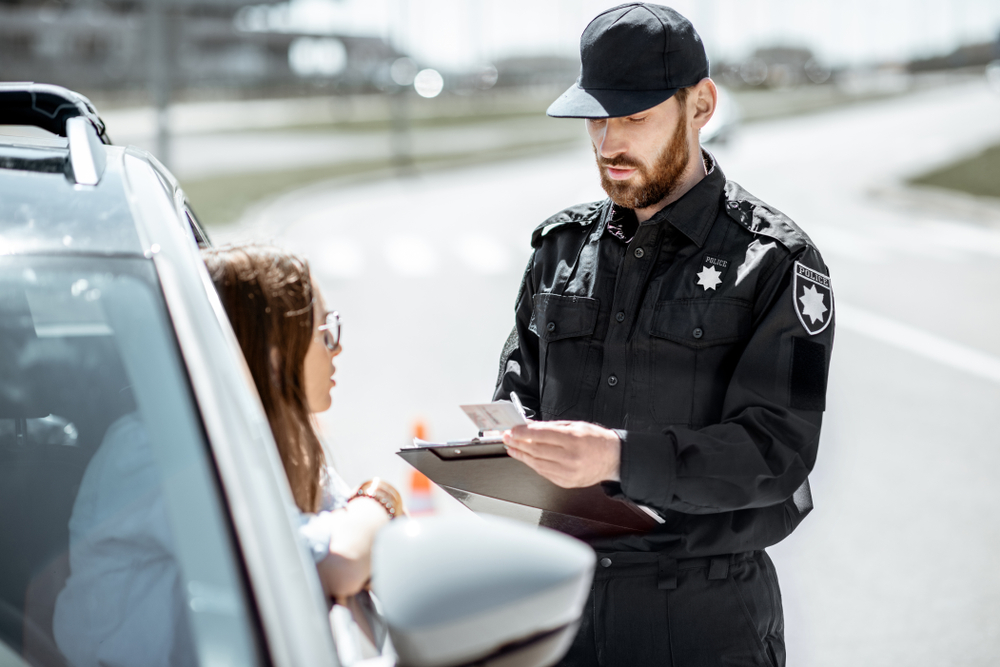
1) You weren’t being dangerous — just a little off
There’s a big difference between “I drifted a bit over the limit” and “I’m auditioning for a street-racing documentary.” Officers are often looking for behavior that creates real risk: aggressive lane changes, tailgating, blowing lights, or speed that’s wildly out of line with traffic. If what you did looks more like a minor lapse than a hazard, a warning can make more sense than a ticket.
Think of it like coaching versus penalizing. If the goal is to get you to tighten up your driving, a warning can do the job—especially when you already look appropriately mortified.
2) Your attitude signals you’ll actually fix it
Yes, “attitude” matters, but not in the cartoonish “say the magic words or else” way people joke about. Officers are human, and they’re constantly reading the room for whether someone is likely to repeat the behavior five minutes after the stop ends. If you’re calm, polite, and you take responsibility without arguing every detail, you’re basically telling them, “Message received.”
This doesn’t mean you have to grovel. Just don’t escalate. The drivers who get warnings often communicate, through tone and body language, that they’re not a walking headache and they’re not going to do it again.
3) Your driving record (and the system) backs you up
On many stops, the officer can see your driving history quickly—prior violations, suspensions, warrants, the whole picture. If your record is clean or you haven’t had issues in a long time, you look like someone who made a one-off mistake rather than a pattern. That can weigh heavily toward a warning.
On the flip side, if you’ve racked up recent tickets or the same violation keeps popping up, the odds of “just a warning” usually drop. A warning is easiest to justify when your history supports the idea that you’re normally a responsible driver.
4) The officer is focused on education, not revenue
Despite what people like to say at barbecues, most traffic enforcement is about safety, not generating cash. A lot of departments emphasize “voluntary compliance,” meaning they want drivers to follow the rules because they understand the risk, not because they’re afraid of a fine. A warning fits that approach nicely.
Some stops are basically a reset button: the officer makes sure you’re sober, licensed, and paying attention—then sends you on your way with a reminder that could prevent a crash later. Not every lesson needs a receipt.
5) Context matters: weather, traffic, and the “why” behind it
Officers don’t stop cars in a vacuum. If it’s pouring rain, visibility is terrible, and traffic is tense, they may be more concerned with getting everyone to slow down than with writing a stack of citations. In those situations, a warning can be the quickest way to correct behavior and keep things moving safely.
Also, sometimes your explanation actually makes sense. Not “I didn’t know the speed limit” (come on), but something like a confusing merge, an obscured sign, or a navigation mishap. An officer may still say, “You’ve got to do better,” but choose a warning if the circumstances look genuinely messy.
6) Discretion is a tool — and it helps officers do their job
Traffic stops are unpredictable. Officers use discretion to balance safety, fairness, and time, and that’s not always obvious from the driver’s seat. If they’ve got higher-priority calls pending, if the stop location is unsafe, or if spending 15 extra minutes writing a ticket creates more risk than benefit, a warning can be the practical choice.
There’s also a relationship factor with the community. Warnings can build goodwill when they’re used appropriately, and they can keep a minor mistake from snowballing into financial stress for someone who’s otherwise doing things right. That doesn’t mean officers ignore serious violations—just that they have options, and sometimes the lighter touch is the smarter one.
What helps your chances if you want a warning
You can’t control every factor, but you can control the basics. Pull over safely, stay in the car unless instructed, keep your hands visible, and be straightforward. If you’re nervous, it’s okay to say so—most officers have heard it a thousand times, and it’s better than acting jumpy or defensive.
Skip the courtroom drama. Arguing on the roadside rarely changes the outcome, and it can make the stop longer and more tense for everyone. If you truly disagree with a citation, that’s what the legal process is for—save it for later, when everyone’s blood pressure is lower.
The bottom line
When an officer gives a warning, it usually means they’ve decided the goal—safer driving—has been met without a ticket. It’s a mix of your behavior, your history, the situation, and the officer’s judgment in the moment. If you get one, take it as the universe handing you a small gift… and maybe set your cruise control on the way home.
More from Steel Horse Rides: