

When interacting with police, it’s important to know what you are and aren’t legally required to do. Officers often make requests that might seem like orders, but many of these are actually optional for you to follow.
Understanding which police requests aren’t mandatory can help you protect your rights without escalating the situation. Knowing this can give you more confidence during stops or encounters while keeping things respectful and clear.
Open your car window fully to talk
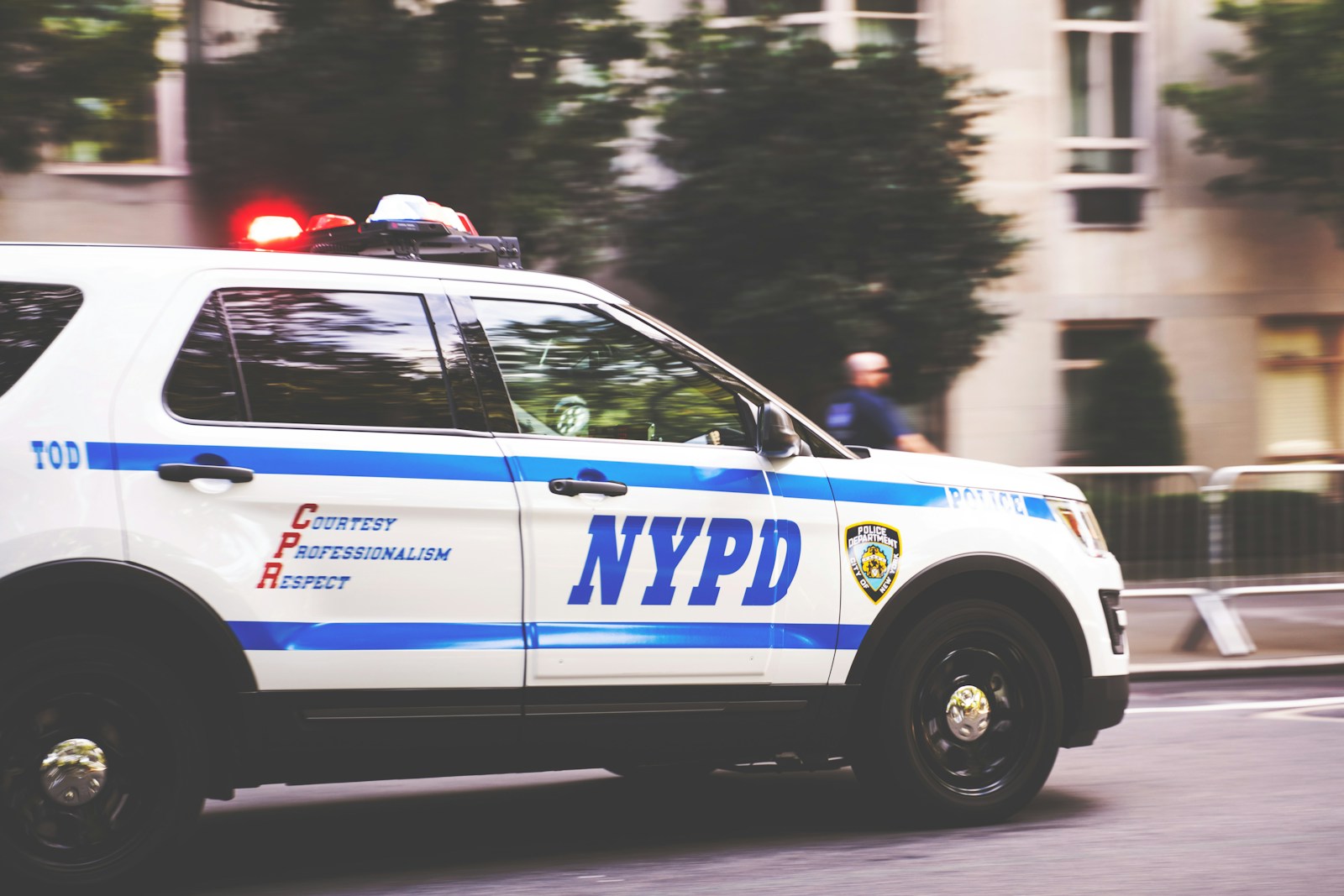
You don’t have to roll your window all the way down if a police officer asks. Often, people feel like they should, but there’s no legal requirement to do so.
Rolling it down partially usually works fine. Just remember, refusing entirely might make the situation more tense, but legally, full compliance isn’t mandatory.
Step out of your vehicle
When a cop asks you to step out of your car, it might feel like you have no choice. But legally, they need a valid reason to make you do it. Usually, they can order you out if they suspect something’s wrong or for safety reasons.
If there’s no clear suspicion, you might not have to comply. Still, refusing can sometimes escalate the situation. Knowing when it’s actually mandatory helps you stay calm and protect your rights during a stop.
Show your hands clearly
When an officer asks you to show your hands, it’s usually about safety—for both of you. You’re not legally required to do it unless there’s a specific legal reason, like a traffic stop or reasonable suspicion.
Still, refusing can make the situation tense. Hands visible often help the officer feel more secure and can keep things calm.
Keep in mind, even if you comply, it doesn’t mean you’re admitting guilt. It’s just a simple way to avoid misunderstandings.
Answer basic questions about your destination
When police ask where you’re headed, you don’t have to answer. You can politely say you’re not comfortable sharing that information.
It’s common for officers to ask about your destination, but legally, you’re not required to disclose it. Keeping this info to yourself is within your rights and can help avoid unnecessary complications.
Remember, being calm and respectful goes a long way, even if you choose not to answer.
Turn on your interior car light at night
If a police officer asks you to turn on your interior car light during a stop at night, you’re not legally required to do it. It’s often a request to help the officer see inside your vehicle more clearly.
While turning it on can make the stop smoother and safer, you can politely decline without breaking the law. Just keep in mind that refusing might raise suspicion or cause extra questioning.
Consent to a voluntary pat-down search
You don’t have to agree to a pat-down if the officer asks without reasonable suspicion. A voluntary pat-down means you’re giving permission without being forced.
Saying “I do not consent” is a simple way to protect your rights.
If you refuse, the officer can’t legally search you unless they have specific reasons. Just stay calm and don’t physically resist. Your clear refusal matters, even if they continue.
More from Wilder Media Group: