

Shiny paint and a fresh warranty can hide a lot of ugly truths. When a new car is not built to last, the warning signs usually show up early in reliability data, recall records, and what owners are already dealing with in the first few years. Here are six red flags, backed by hard numbers, that suggest a new ride could age badly.
1) Frequent Engine and Transmission Breakdowns in Sedans Like the Chevrolet Malibu
The Chevrolet Malibu is a textbook example of how drivetrain trouble can doom a car’s long-term prospects. In the 2023 Chevrolet Malibu reliability survey, it scored 1 out of 5 for predicted reliability, with owners reporting frequent engine and transmission failures within the first 50,000 miles. That kind of early mechanical drama is exactly what mechanics mean when they talk about vehicles that are not built to last.
Real-world comments echo the data. One owner posting on Facebook about a 2021 Malibu wrote that the “transmission went out already,” a complaint that lines up with the pattern of early failures and undercuts the idea that all Chevy Malibu sedans are trouble free. For buyers, a drivetrain that cannot reliably clear 50,000 miles without major work is a serious financial risk, because out-of-warranty repairs on modern engines and gearboxes can easily wipe out any savings from a low purchase price.
2) Persistent Infotainment Glitches in SUVs Such as the Ford Explorer

The Ford Explorer shows how a flaky tech setup can drag down a family SUV’s durability story. In the 2022 U.S. Vehicle Dependability Study, the Explorer logged 192 problems per 100 vehicles in the infotainment category, a sky-high number that translated into widespread dashboard and connectivity issues after two years of ownership. When the screens, software, and controls are constantly acting up, owners start to question the overall build quality, not just the gadgets.
Those numbers fit a broader pattern of cabin tech headaches, with reports of Infotainment glitches and electrical gremlins showing up across multiple models. For drivers who rely on navigation, Bluetooth, and driver-assist displays every day, chronic failures are more than an annoyance. They can hurt resale value, drive up repair costs, and leave owners wondering what other corners were cut behind the scenes.
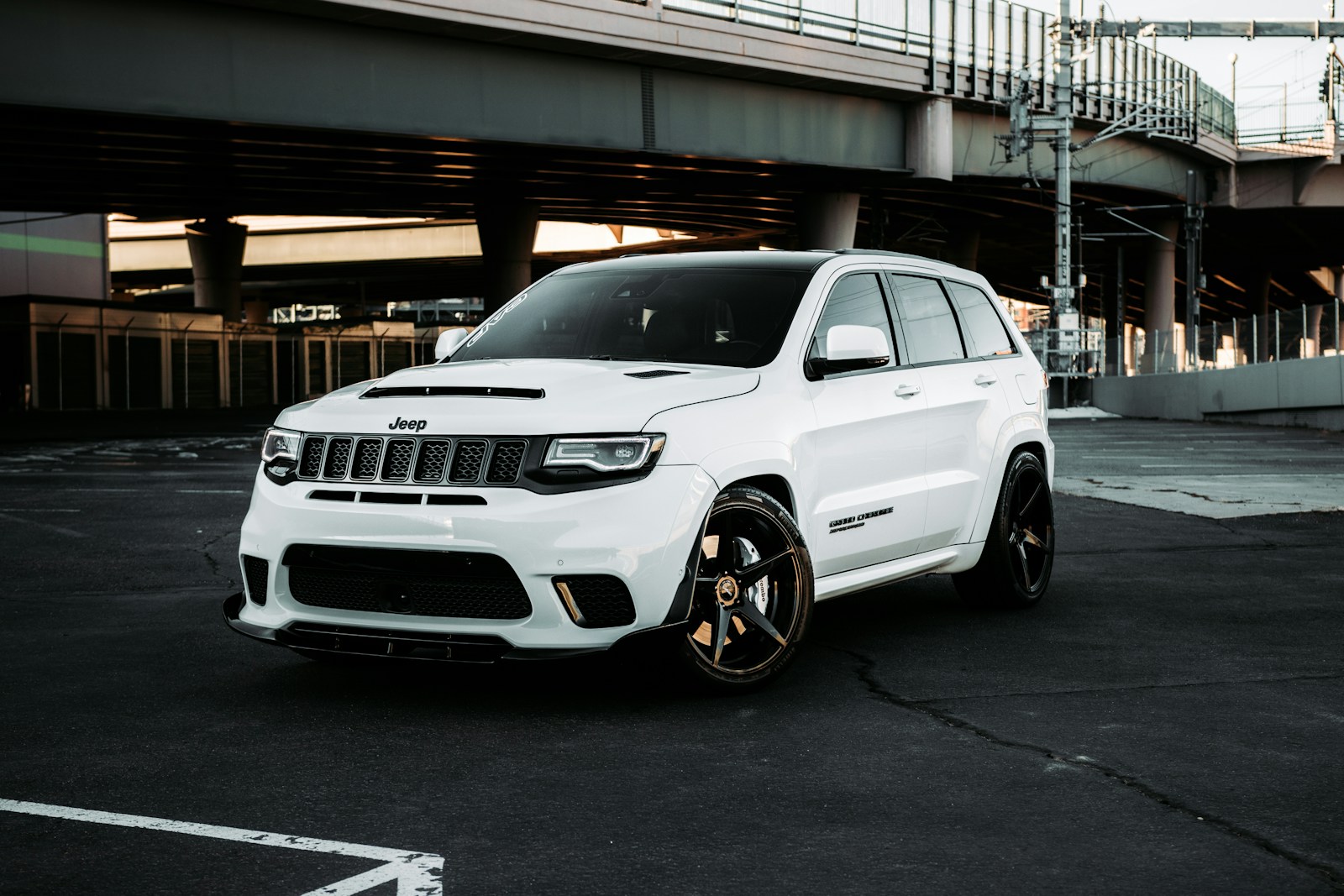
3) Multiple Electrical Recalls Plaguing Models Like the Jeep Grand Cherokee
The Jeep Grand Cherokee illustrates how a long list of recalls can signal deeper design issues. According to federal safety data from 2021 to 2023, the Grand Cherokee faced 15 recalls tied to electrical system failures. One 2022 campaign alone affected 246,000 vehicles because faulty wiring harnesses could cause fires, a problem that goes far beyond a random bad batch of parts and points to systemic weaknesses in how the electrical system was engineered and routed.
When a vehicle racks up that many electrical recalls in just a few model years, owners are right to worry about long-term durability. Electrical faults can strand drivers, drain batteries, and damage expensive modules, and they are notoriously hard to diagnose once the warranty clock runs out. For shoppers, a recall history like this is a clear sign to dig deeper into how the brand handles fixes and whether future issues are likely.
4) Rapid Rust and Corrosion in Vehicles Like the Nissan Altima
The Nissan Altima shows how a car can look fine on the surface while quietly rotting underneath. In the 2023 annual auto survey, 28 percent of Altima owners in salt-belt states such as Michigan reported rust and corrosion on underbody components within three years. That body hardware trouble, focused on the parts that hold suspension and brake pieces in place, is a serious warning sign that the car may not age gracefully in harsh winters.
Rust in those areas is not just cosmetic. Corroded underbody hardware can lead to seized bolts, weakened mounting points, and expensive repair bills when basic maintenance turns into a torch-and-grinder job. For drivers who live where roads are coated in salt for months, early corrosion on a relatively new sedan suggests the protective coatings and materials were not robust enough, which can shorten the car’s safe service life.
5) Early Battery Degradation in Hybrids Such as the Toyota Camry Hybrid
The Toyota Camry Hybrid is often praised for solid overall dependability, and the 2022 study backs that up with an overall score of 145 problems per 100 vehicles, which is better than many rivals. The same data, however, shows 35 problems per 100 vehicles in the power equipment category, a cluster that includes hybrid-related hardware. Within that group, owners reported battery degradation in 15 percent of models after 30,000 miles, a rate that stands out for a component expected to last far longer.
Because hybrid battery packs are expensive, even a minority of cars showing early capacity loss can reshape the ownership math. Drivers who bought a Camry Hybrid expecting years of low fuel bills may instead face reduced electric assist, lower mileage, and anxiety about a four-figure replacement cost. For anyone cross-shopping hybrids, those numbers are a reminder to look beyond the strong overall score and ask specific questions about high-voltage components.
6) Recurring Airbag Defects in Cars Like the Volkswagen Jetta
The Volkswagen Jetta highlights how safety-system problems can tarnish a compact sedan’s long-term appeal. In the 2023 federal recall database, the Jetta had eight airbag-related recalls between 2020 and 2023, affecting 1.2 million vehicles. Many of those campaigns involved Takata inflator defects that could explode in a crash, turning a device meant to save lives into a serious hazard and forcing owners into repeated trips back to the dealer.
Recurring airbag recalls raise tough questions about how thoroughly a model’s safety hardware was vetted and how quickly fixes are rolled out. Even when repairs are free, the hassle and worry can push owners to sell early, depressing used values and eroding trust in the brand. For buyers scanning recall records, a pattern like the Jetta’s is a strong hint that the car may bring more headaches than its low running costs suggest.
More from Wilder Media Group: