

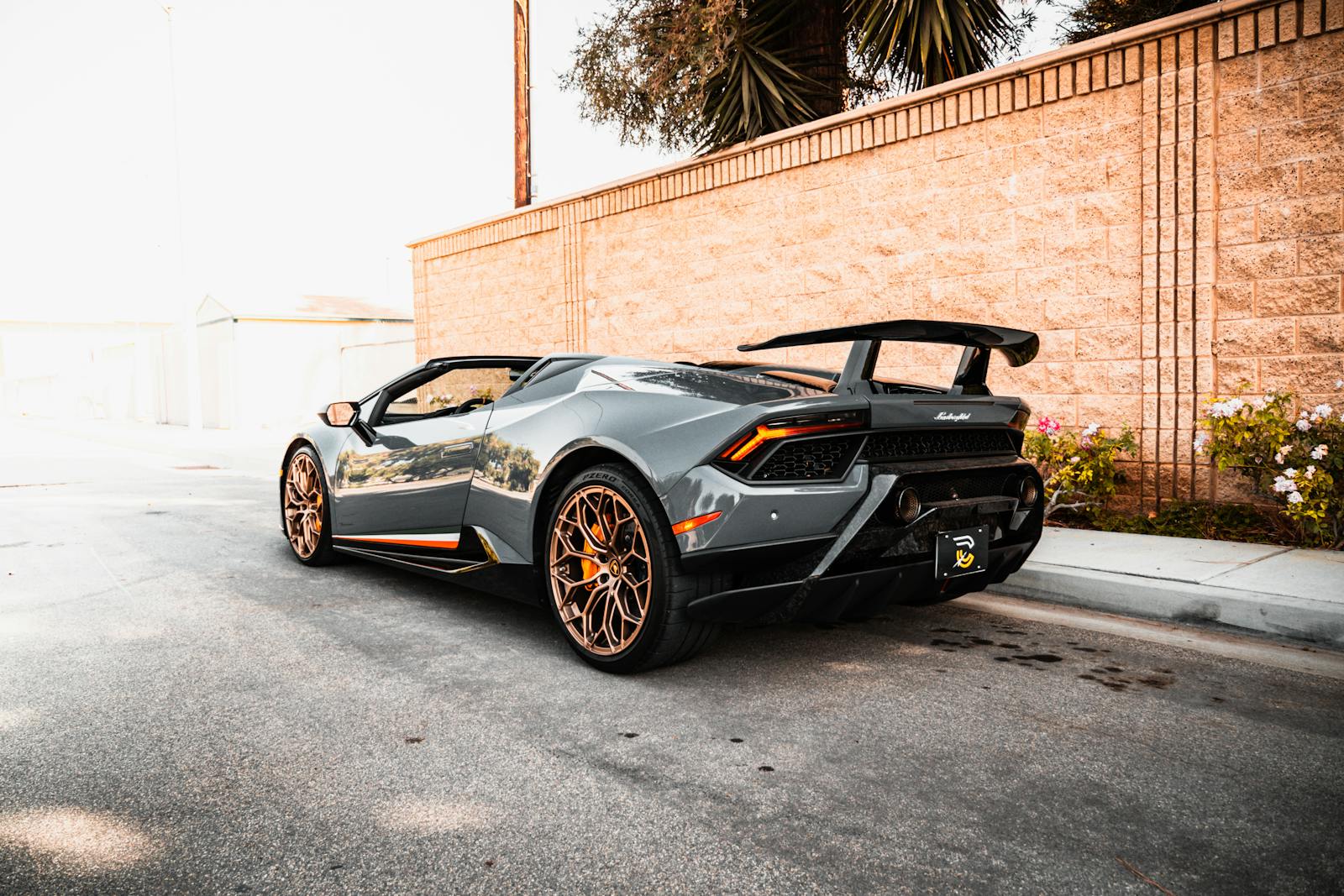
The 1980s produced a remarkable array of sports cars that continue to captivate enthusiasts and collectors alike, showcasing designs that remain timeless and evocative. These vehicles not only defined an era of automotive innovation but also set performance benchmarks that many modern cars still aspire to meet. As the classic car market thrives, with values for vintage models increasing by as much as 20% annually, these six iconic sports cars from the ’80s are worth exploring for their enduring appeal and aesthetic allure.
1. Ferrari F40 (1987)
The Ferrari F40, introduced in 1987, was the last model overseen by Enzo Ferrari himself. With a production run of just 1,315 units, this supercar is often hailed as one of the greatest Ferraris ever made. Sporting a twin-turbocharged V8 engine that produces 478 horsepower, the F40 can reach speeds of 0 to 60 mph in just 3.8 seconds. Its aggressive design, featuring sharp angles and a prominent rear wing, makes it a perennial favorite among car enthusiasts and collectors.
2. Porsche 911 Turbo (930) (1980-1989)
The Porsche 911 Turbo, specifically the 930 variant produced from 1980 to 1989, remains an icon of German engineering and performance. With its distinctive wide body and rear spoiler, the 911 Turbo exudes speed even when stationary. Equipped with a 3.3-liter flat-six engine that delivers 282 horsepower, it can accelerate from 0 to 60 mph in about 5.2 seconds. Its timeless design and exceptional handling have made it a highly sought-after model, with values climbing steadily over the years.
3. Chevrolet Corvette C4 (1984-1996)
The Chevrolet Corvette C4, produced between 1984 and 1996, marked a significant evolution in Corvette design and performance. This generation introduced a more aerodynamic shape and advanced technology for its time. The C4’s 5.7-liter V8 engine generates 250 to 300 horsepower, depending on the model year and configuration, allowing it to achieve 0 to 60 mph in around 5.5 seconds. The C4’s sleek lines and bold presence make it a standout on any street or car show.
4. Nissan 300ZX (Z31) (1984-1989)
The Nissan 300ZX, specifically the Z31 model produced from 1984 to 1989, is a prime example of the Japanese performance car revolution of the ’80s. With its distinctive wedge shape and pop-up headlights, the 300ZX combines style with impressive performance. The turbocharged variant features a 3.0-liter V6 engine producing 300 horsepower, which allows it to sprint from 0 to 60 mph in approximately 5.9 seconds. Its affordability and performance have helped it maintain a loyal following among sports car enthusiasts.
5. BMW M3 E30 (1982-1994)
The BMW M3 E30, produced from 1982 to 1994, is often regarded as one of the best sports cars of its time. With its boxy design and aggressive stance, the E30 M3 is instantly recognizable and has become a symbol of performance and driving pleasure. Powered by a 2.3-liter inline-four engine that produces 192 horsepower, it can accelerate from 0 to 60 mph in approximately 6.5 seconds. The E30 M3’s combination of precision engineering and motorsport pedigree has made it a highly coveted classic, with prices for well-maintained models reaching upwards of $80,000.
6. Ford Mustang GT (1982-1993)
The Ford Mustang GT of the ’80s, particularly the Fox Body models produced from 1982 to 1993, represents a significant chapter in American muscle car history. With its iconic design and performance-driven features, the Mustang GT remains a favorite among car enthusiasts. The 5.0-liter V8 engine delivers 205 horsepower, allowing for a 0 to 60 mph time of about 7 seconds. Its affordability and modifiability have contributed to its status as a classic, with enthusiasts often restoring and customizing these vehicles to enhance their performance and aesthetic appeal.
Conclusion
The sports cars of the ’80s continue to inspire admiration and respect among automotive fans around the world. Their distinct designs and impressive performance capabilities have secured their places in the history of automotive excellence.