

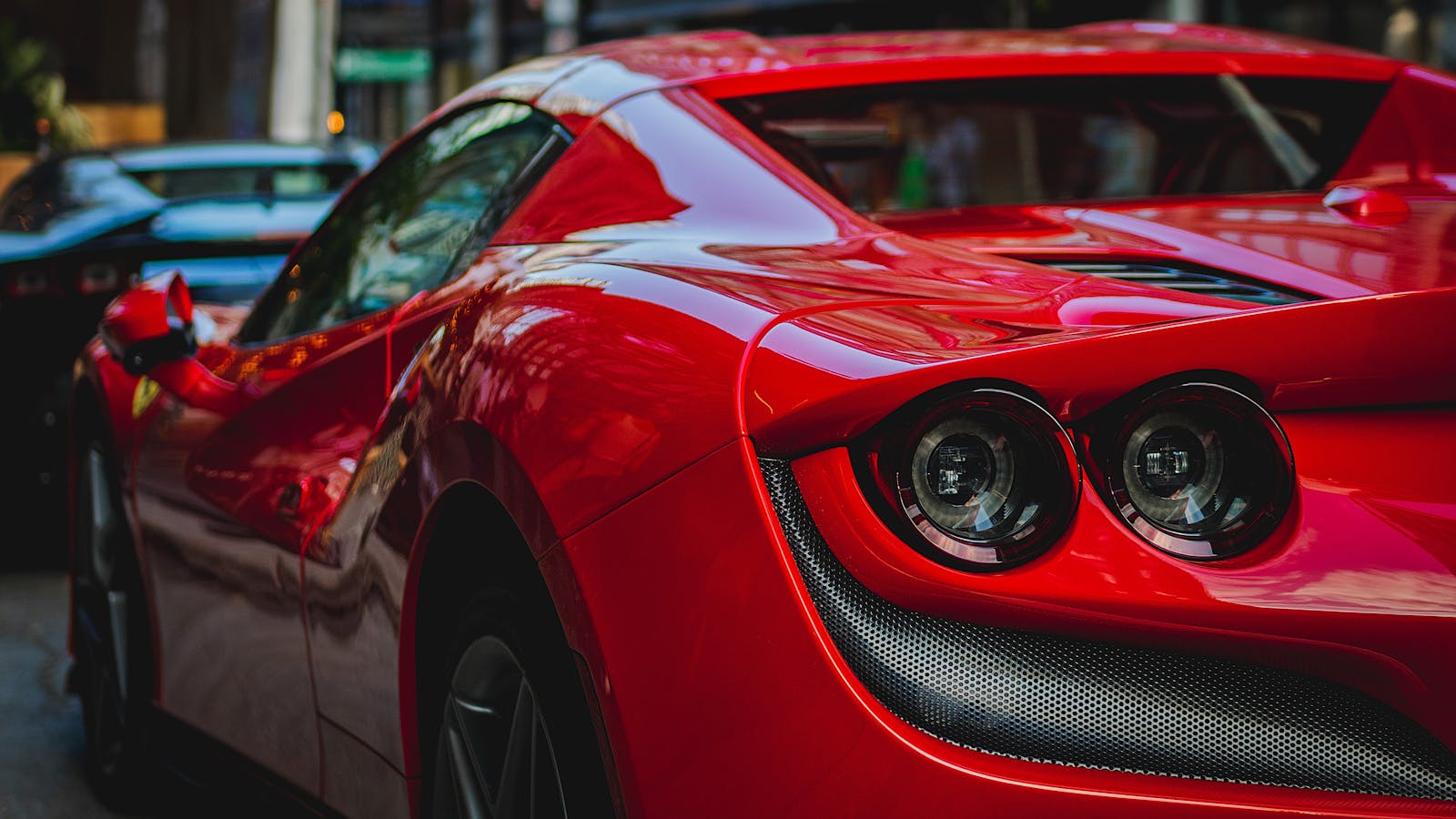
In an age where electric vehicles are gaining traction, baby boomers continue to champion a select group of supercars they regard as the epitome of automotive excellence. These vehicles not only represent engineering prowess but also evoke a sense of nostalgia and respect for traditional car manufacturing. Understanding which supercars resonate with this demographic is crucial for manufacturers and enthusiasts alike, as it highlights the ongoing divide between modern innovations and classic performance.
The Criteria for a “Real Machine”
Baby boomers, typically defined as individuals born between 1946 and 1964, have a unique perspective on automobiles shaped by their experiences in the post-war era. For many in this generation, a “real machine” embodies power, sound, and driving experience over technological enhancements. They often prioritize characteristics such as engine displacement, manual transmission options, and the visceral feel of the car on the road, which they argue is lost in many contemporary models.
1. Ford Mustang GT (2020–2023)
The Ford Mustang GT is frequently celebrated by boomers for its rich heritage and muscle car roots. With a roaring 5.0-liter V8 engine producing up to 450 horsepower, it encapsulates the spirit of American performance cars. The Mustang’s iconic design and rear-wheel drive offer a thrilling driving experience that many boomers find nostalgic, reminding them of the golden age of muscle cars from the 1960s and 70s.
2. Chevrolet Corvette C8 (2020–2023)
The Chevrolet Corvette C8 has made significant waves in the automotive community, particularly among baby boomers. This mid-engine marvel marks a dramatic shift in Corvette design while still honoring its racing heritage. With a base price around $60,000 and a 6.2-liter V8 engine capable of producing 495 horsepower, the C8 delivers exhilarating speed and performance that appeals to those who remember the Stingray’s glory days.
3. Porsche 911 (2020–2023)
The Porsche 911 is often regarded as the gold standard for sports cars, making it a favorite among boomers. Its distinctive silhouette and rear-engine layout have been a hallmark of the 911 since its inception in the 1960s. The latest models, such as the 2022 911 Carrera, are equipped with a 3.0-liter twin-turbocharged flat-six engine that delivers 379 horsepower, providing a driving experience that merges tradition with modern technology.
4. Dodge Challenger R/T (2020–2023)
The Dodge Challenger R/T is another muscle car that resonates deeply with the baby boomer generation. With a 5.7-liter HEMI V8 engine producing 372 horsepower, the Challenger embodies the raw power that many nostalgic drivers crave. Its retro styling and spacious interior make it a practical choice for those who want both performance and everyday usability, reinforcing its status as a “real machine.”
5. Aston Martin Vantage (2020–2023)
The Aston Martin Vantage is a luxury sports car that appeals to boomers who appreciate craftsmanship and exclusivity. Featuring a 4.0-liter twin-turbo V8 engine that delivers up to 503 horsepower, the Vantage combines elegant design with thrilling performance. The brand’s storied history, often associated with James Bond, adds to its allure, making it a symbol of prestige that resonates with older generations.
6. Lamborghini Huracán (2020–2023)
The Lamborghini Huracán stands out as a supercar that epitomizes speed and extravagance. Equipped with a 5.2-liter V10 engine that produces up to 631 horsepower, the Huracán offers a driving experience that is both exhilarating and visceral. For boomers, Lamborghini represents the ultimate expression of automotive luxury and performance, making it a benchmark in the supercar segment.
The Shift in Automotive Preferences
As the automotive industry shifts toward electric and hybrid models, the preferences of baby boomers highlight a significant market segment that still values traditional performance vehicles. According to recent data, over 60% of boomers surveyed expressed a preference for combustion engine vehicles, emphasizing a desire for raw power and driving engagement. This trend suggests that while technology evolves, the fundamental appeal of classic supercars remains strong.