

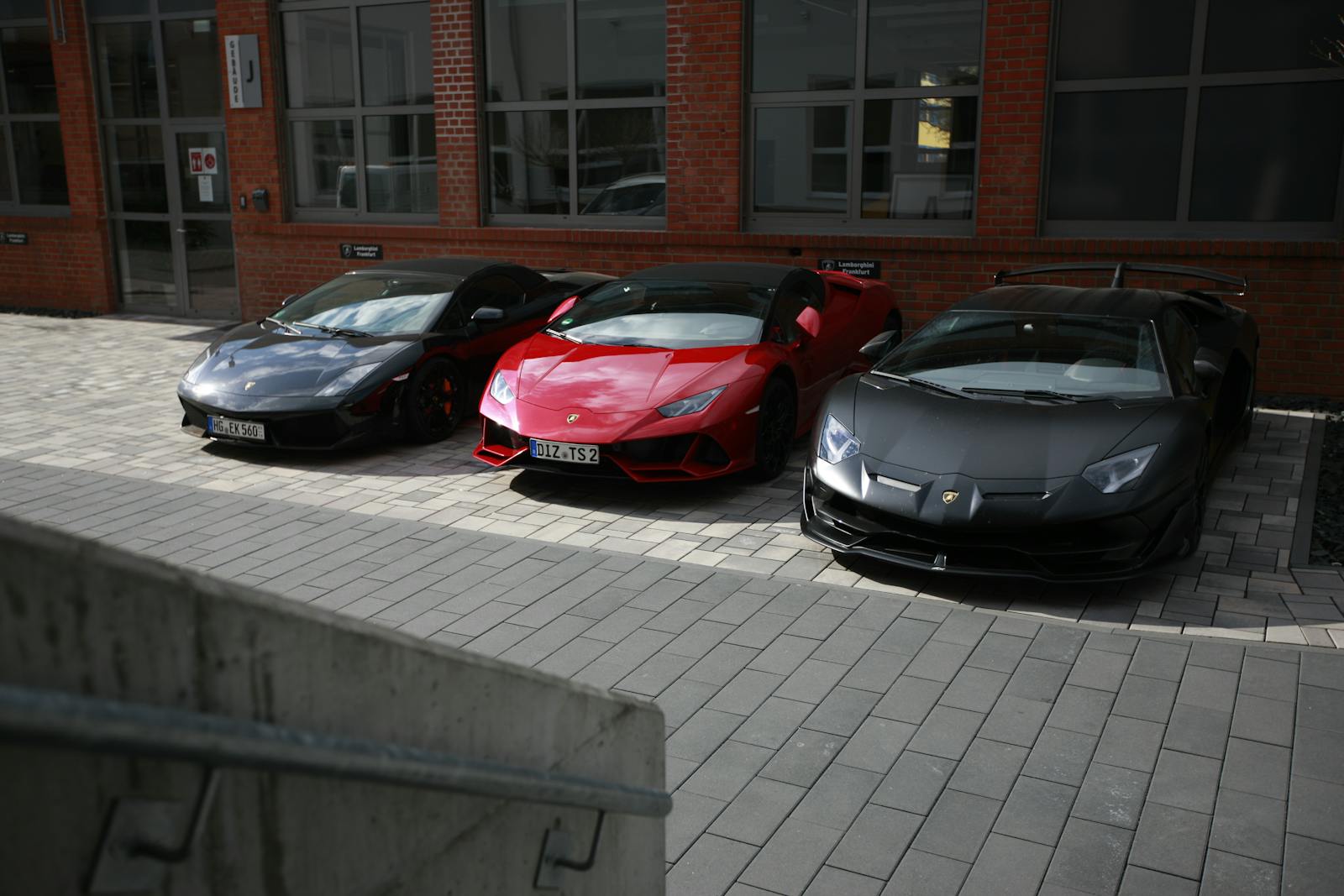
As the automotive industry evolves, a nostalgic group of Baby Boomers is advocating for the revival of classic supercars that defined their youth. This push comes as younger generations gravitate towards electric vehicles and SUVs, leaving iconic models from the past in the shadows. The debate highlights a yearning for performance and style that many believe modern automakers have overlooked.
The Call for Classic Models
In an informal survey conducted among Baby Boomers, six supercars emerged as the most frequently mentioned models that enthusiasts wish to see back in production. These vehicles represent a significant era in automotive history, showcasing the raw power and design that many feel have been diluted in today’s market. The respondents passionately argue that the revival of these models could bridge the generational gap in car culture and reignite interest in high-performance vehicles.
1. Ford Mustang (1964-1973)
The Ford Mustang is often celebrated as the quintessential American muscle car. Boomers fondly recall the 1969-1970 models, which featured powerful V8 engines and a unique design that set the stage for future performance vehicles. The Mustang’s legacy continues, but many argue that a return to its roots—focused on raw power and a more minimalist interior—could attract both nostalgic buyers and new enthusiasts alike.
2. Chevrolet Corvette (1963-1972)
The Chevrolet Corvette, particularly the C2 generation produced from 1963 to 1967, remains an icon of American sports car engineering. Its sleek design and impressive performance statistics, including a top speed of over 150 mph, have left a lasting impression. Boomers believe a modern reinterpretation of this model could capture the essence of speed and luxury that made it a household name.
3. Porsche 911 Classic (1964-1989)
With over 1 million units sold worldwide, the Porsche 911 has become a symbol of high-performance driving. The classic models, especially those produced in the 1970s, are revered for their air-cooled engines and timeless design. Boomers argue that a special edition of the classic 911, perhaps with modern technology but retaining its classic aesthetic, could attract a wide audience while paying homage to a legend.
4. Lamborghini Countach (1974-1990)
The Lamborghini Countach is often regarded as the ultimate supercar of its era, featuring an iconic wedge shape and scissor doors that turned heads worldwide. Boomers remember the 1980s as a golden era for this model, which boasted a V12 engine capable of reaching 0 to 60 mph in just 4.8 seconds. A modern version, they argue, could reignite the thrill of driving and cater to a market that appreciates both performance and design.
5. Ferrari F40 (1987-1992)
The Ferrari F40 holds a special place in the hearts of car enthusiasts, known for its raw performance and minimalistic approach. With a twin-turbo V8 engine that could reach speeds of 201 mph, the F40 was the last car personally approved by Enzo Ferrari. Boomers believe a limited-edition revival could attract collectors and revive interest in pure driving experiences.
6. Nissan Skyline GT-R (1989-2002)
The Nissan Skyline GT-R, particularly the R34 model, has gained a cult following due to its performance capabilities and role in popular culture, especially in movies like “Fast & Furious.” Featuring a twin-turbo inline-six engine, the R34 could achieve a top speed of around 165 mph. Many Boomers argue that a new version could appeal to both nostalgic fans and a younger audience seeking performance-oriented vehicles.
The Market Response
Despite the overwhelming enthusiasm from Baby Boomers, automakers have been hesitant to bring back these classic models. The global automotive market is shifting towards electric and hybrid vehicles, with over 6.6 million electric vehicles sold worldwide in 2021 alone. However, as the demand for performance cars resurges, companies may need to reconsider their development strategies to cater to a broader demographic.
Conclusion: The Future of Supercars
The push by Baby Boomers to revive these iconic supercars serves as a reminder of the rich history and emotional connection many have with these vehicles. As automotive manufacturers continue to innovate, the challenge will be to balance modern technology with the nostalgic appeal of classic designs. The question remains: will automakers heed the call and bring back these beloved models to satisfy a growing market craving for performance and nostalgia?