

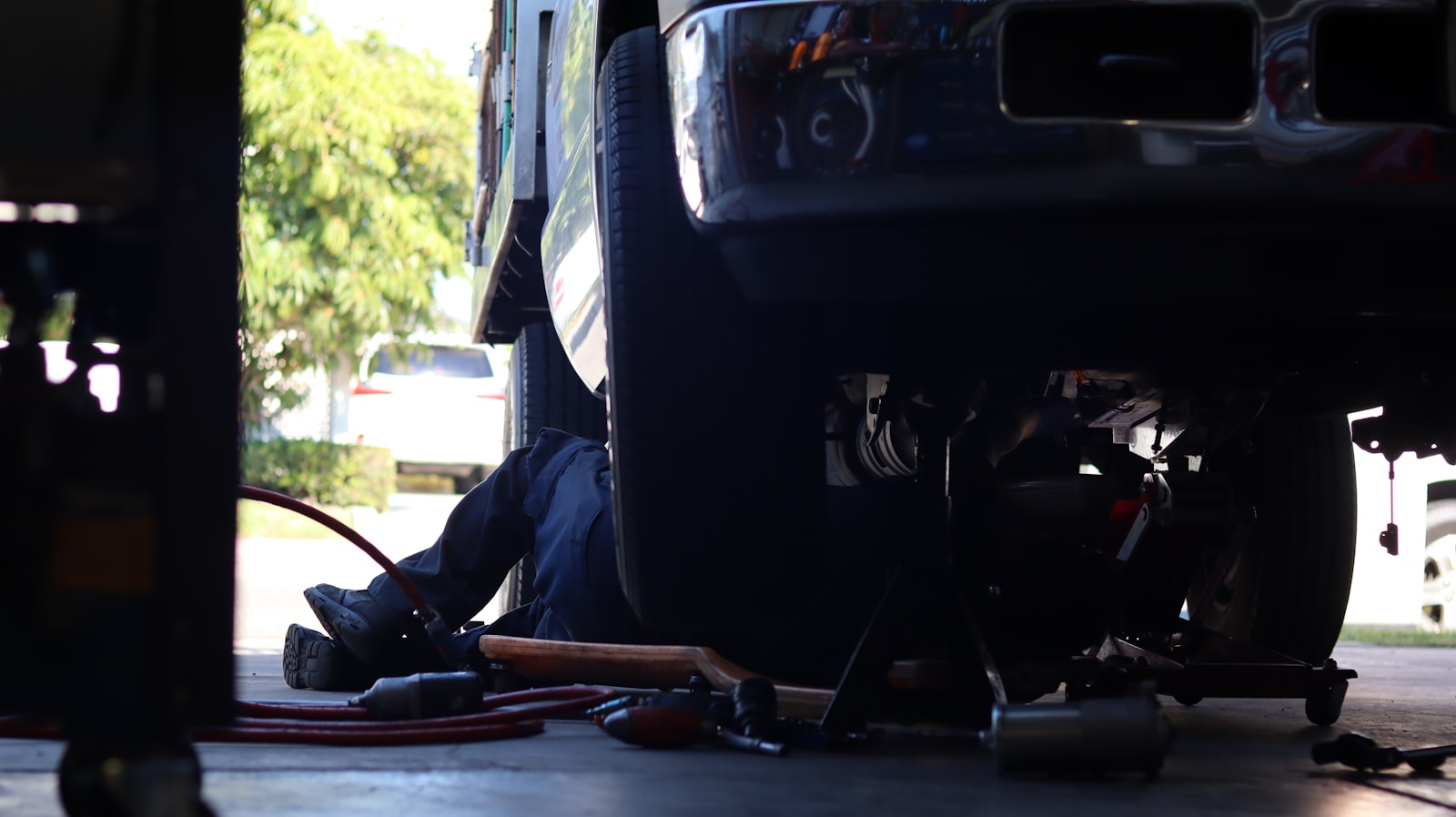
Before hitting the road, mechanics urge drivers to take specific steps to ensure both safety and vehicle performance, affecting millions of travelers each year. A recent survey conducted by the Automotive Service Association (ASA) highlights that a staggering 70% of drivers neglect crucial vehicle maintenance before embarking on long journeys. This oversight not only increases the risk of breakdowns but can also lead to costly repairs and unsafe driving conditions.
1. Check Fluid Levels
One of the most critical pre-trip measures is checking the vehicle’s fluid levels, including oil, coolant, brake fluid, and windshield washer fluid. Mechanics recommend that drivers ensure oil is at the appropriate level, especially in models like the 2021 Toyota Camry, which may have specific oil requirements. Low fluid levels can lead to overheating or brake failure, which could endanger passengers and others on the road.
2. Inspect Tires
Proper tire maintenance is essential for safety and fuel efficiency. Mechanics suggest checking tire pressure, tread depth, and the overall condition of the tires before a road trip. For example, the 2020 Honda Civic should have its tire pressure set according to the manufacturer’s specifications, typically found in the owner’s manual or on a sticker inside the driver’s door. Under-inflated tires can reduce fuel efficiency by up to 3% and increase the risk of blowouts.
3. Test the Battery
A weak battery can lead to unexpected vehicle failures, especially in extreme temperatures. Mechanics recommend testing the battery’s charge and ensuring the terminals are clean and secure. According to the Battery Council International, about 25% of batteries are replaced each year due to failure, often during peak travel seasons. Drivers of models like the 2019 Ford Explorer should also check the battery’s age; most car batteries last about three to five years.
4. Replace Worn Wiper Blades
Visibility is crucial for safe driving, and worn wiper blades can severely hinder a driver’s ability to see in rainy or stormy conditions. Mechanics advise replacing wiper blades every six months to a year, especially for vehicles like the 2022 Subaru Outback, which may require specific blades for optimal performance. Drivers often overlook this simple maintenance task, yet it can significantly improve safety during inclement weather.
5. Check All Lights
Functional headlights, brake lights, and turn signals are essential for safe driving, especially during nighttime or low-visibility conditions. Mechanics encourage drivers to check that all vehicle lights are operational before a road trip. According to the National Highway Traffic Safety Administration (NHTSA), nearly 25% of accidents occur due to malfunctioning lights. A quick inspection can reveal burnt-out bulbs, which are easy to replace and crucial for signaling intentions to other drivers.
6. Plan for Emergency Situations
Lastly, mechanics advise drivers to prepare for potential emergencies by equipping their vehicles with essential items. A roadside emergency kit should include items such as a spare tire, jack, jumper cables, and first aid supplies. The American Automobile Association (AAA) estimates that around 8 million drivers will experience a roadside emergency each year, underscoring the importance of being prepared. Drivers of models like the 2023 Chevrolet Silverado should also familiarize themselves with the vehicle’s emergency features, such as OnStar or other roadside assistance programs.
Conclusion
Taking these six steps before a road trip can significantly reduce the risk of breakdowns and enhance overall safety. With millions of drivers setting out on journeys each year, it’s vital to prioritize vehicle maintenance. Mechanics emphasize that a little preventive care can go a long way in ensuring a smooth and safe travel experience. Don’t wait until it’s too late—schedule a check-up with a mechanic before your next adventure.