
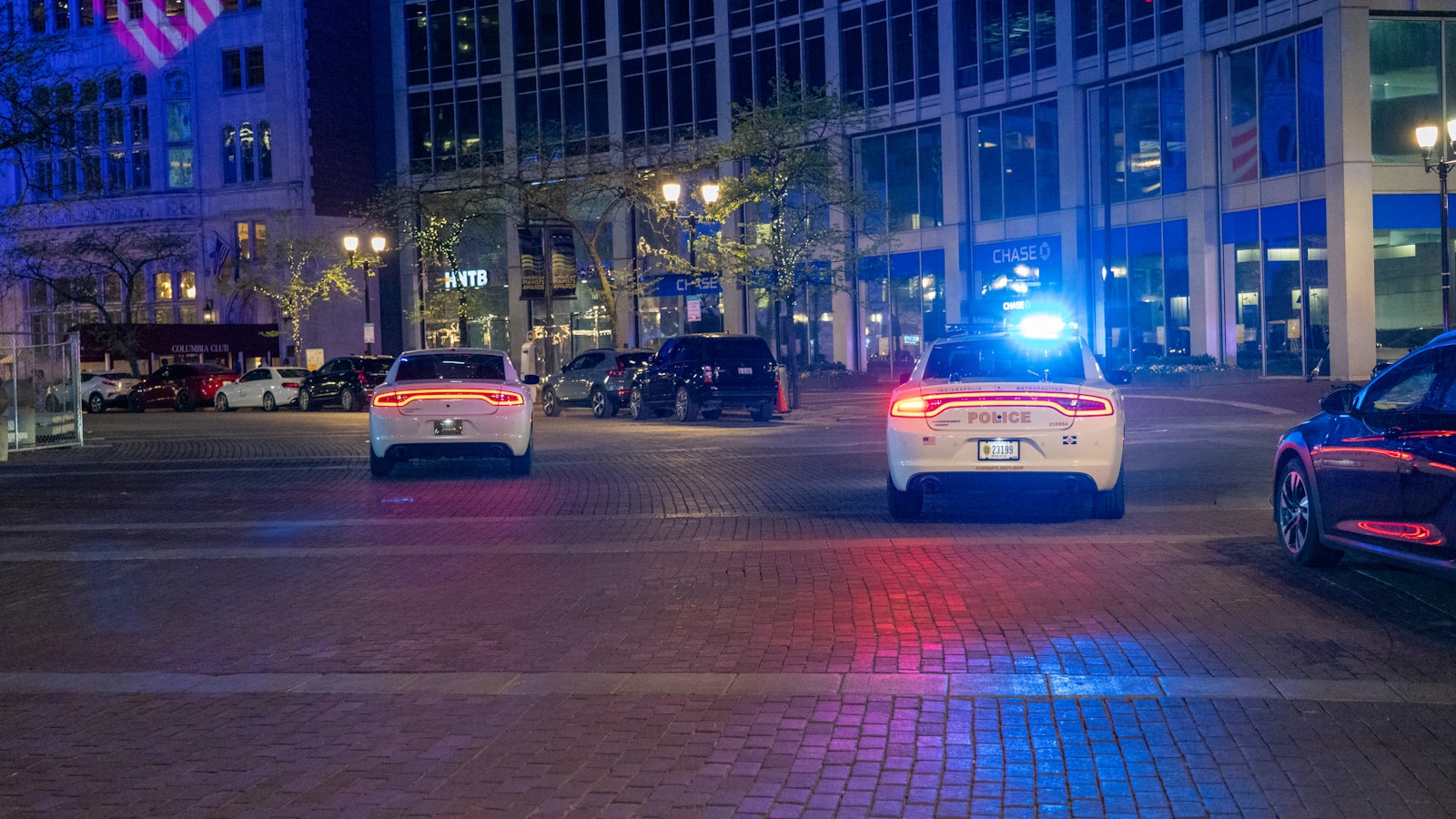

Picture this: you’re cruising along, enjoying your favorite playlist, when suddenly you spot the telltale flash of blue and red lights in your rearview mirror. Your heart races, and you wonder what you did wrong. But here’s the thing: before those lights even flicker on, police officers are already on high alert, making some critical observations. Let’s chat about what they’re looking for before they ever hit that switch.
1. Driving Behavior: The Red Flags
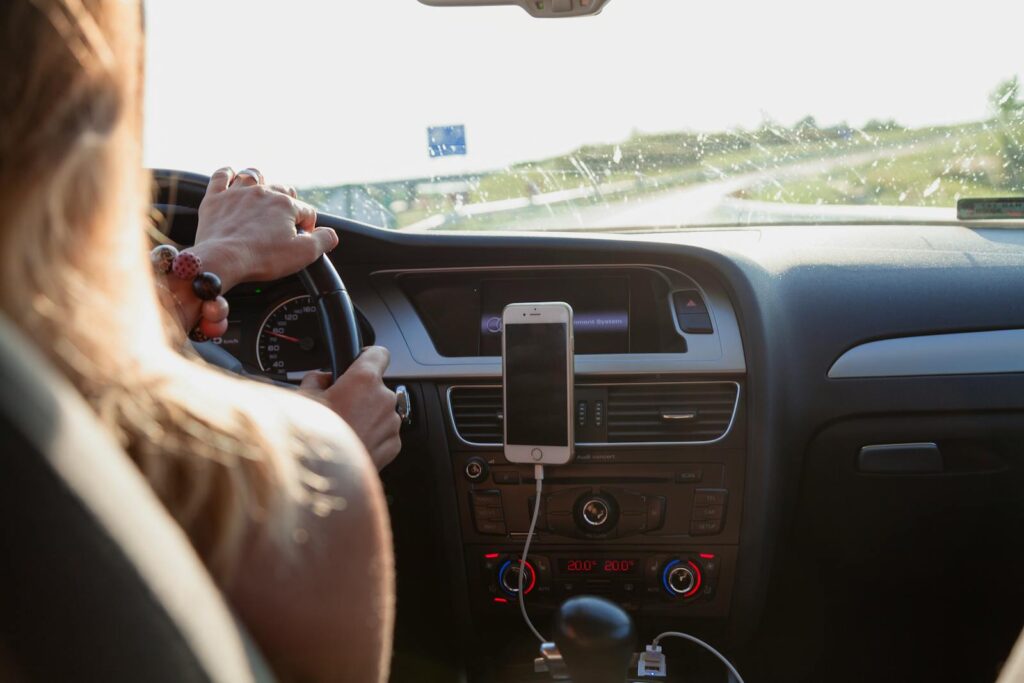
First off, officers are always keeping an eye on how you drive. Are you swerving? Going way too fast? Or maybe you’re just a little too cozy with the curb? When they see erratic driving, it’s like a big neon sign blinking “Check me out!” It’s not just about speed; it’s how you’re handling the vehicle. If you’re weaving in and out of lanes like you’re in a video game, you might just catch their attention.
2. Vehicle Condition: Is Something Off?
Next, let’s talk about your car. If your headlights are out, or you’ve got a tailpipe that looks like it’s been through a war zone, that could raise some eyebrows. Officers are trained to notice these things. A poorly maintained vehicle can indicate a driver who’s perhaps not taking things seriously—maybe they’re driving under the influence or have other issues at play. So, if you want to stay off their radar, a little TLC for your ride goes a long way!
3. Obvious Signs of Impairment
This one’s a biggie: signs of impairment. Officers are like hawks when it comes to spotting behaviors that scream “I might be under the influence.” If you’re struggling to maintain your lane, taking wide turns, or sitting at a green light because you’re too busy staring into space, they’re definitely going to take note. And let’s be real, if you’re at a drive-thru and your order is taking longer than a Netflix loading screen, that might not help your case either!
4. Time and Place: Context Matters
Timing and location play a huge role in their decision-making. If it’s 2 a.m. on a Saturday and you’re the only car on a deserted road, that’s going to raise some questions. Officers are trained to recognize patterns, and there’s a reason they’re more vigilant at certain times or in specific areas. If you’re cruising through a known party district at bar-closing time, you might as well be wearing a sign that says, “Look at me!”
5. Passenger Behavior: Who’s Riding Shotgun?
Believe it or not, the behavior of your passengers can also tip off officers. If your friends are acting rowdy, leaning out the windows, or trying to hide something, that can make the driver—yes, you—look a bit suspicious. It’s like a mini reality show playing out in your car, and they’re the judges. So, if your buddies are having a little too much fun, it might be worth having a chat before you hit the road.
6. Previous Encounters: The History Factor
Lastly, let’s not forget about history. If you’ve had previous run-ins with the law, officers can pull up that information in a snap. If they recognize your plates from past incidents or if they’ve been alerted to your vehicle’s history of suspicious activity, well, that’s a game changer. It’s like being in a movie where the main character has a reputation—good or bad, it follows you.
Conclusion: Stay Aware, Stay Safe
So, there you have it! Before those flashing lights ever come on, officers are doing some serious detective work. They’re not just randomly pulling people over; they’re observing and assessing. Next time you’re on the road, keep these points in mind. A little mindfulness can go a long way in keeping you off the radar and ensuring a smooth drive. And who knows? You might even find you enjoy the ride a little more when you’re not stressing about a potential traffic stop! Stay safe out there!
More from Steel Horse Rides: