

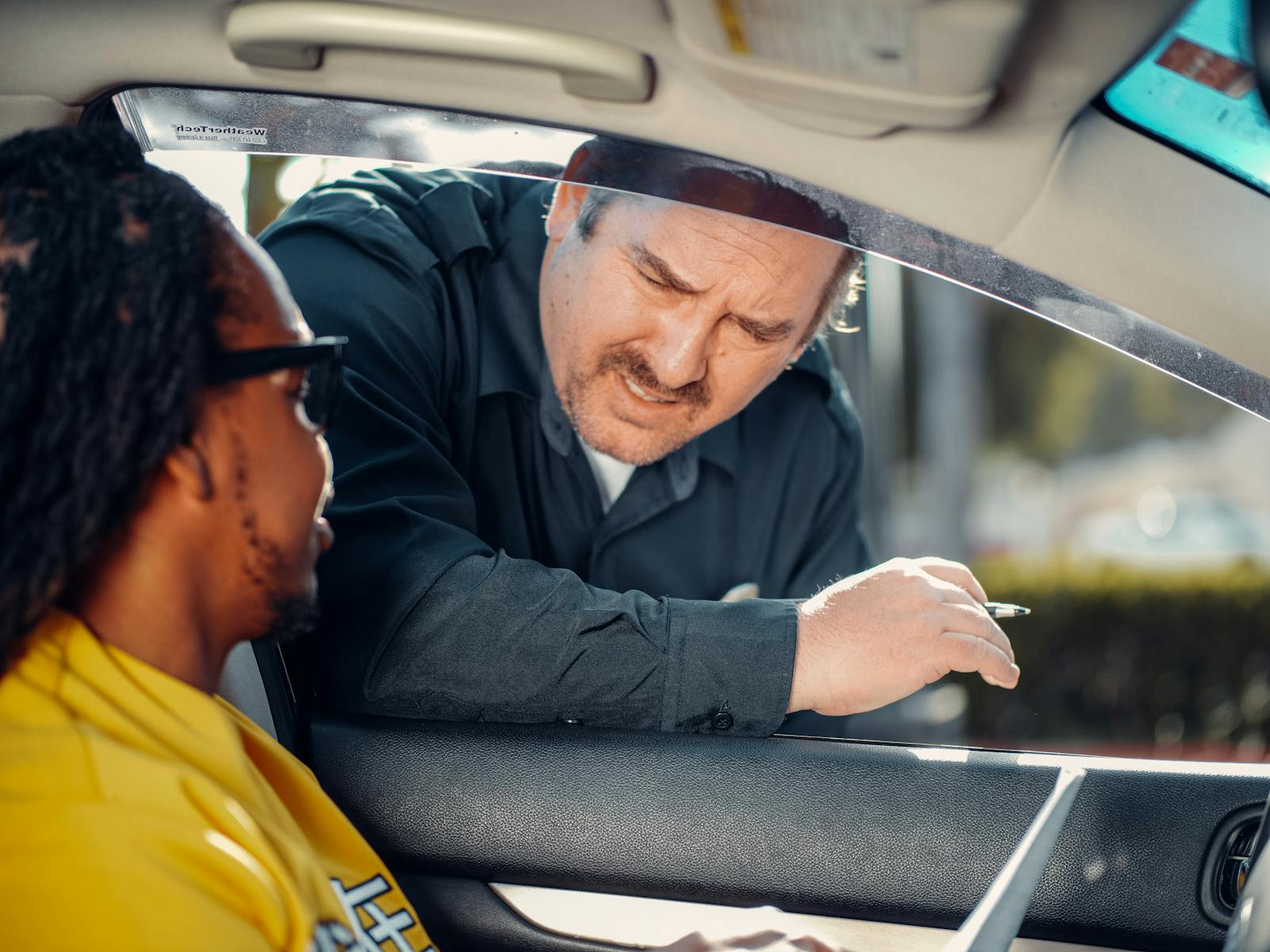
When you get pulled over during a traffic stop, it can be stressful and confusing. You might wonder what the officer can and cannot do once they approach your car. Understanding your rights in this situation can help you stay calm and avoid unnecessary trouble.
Knowing what police aren’t allowed to do during a routine traffic stop protects you from overreach and helps you handle the encounter more confidently. This article will go over some key limits on police actions during these stops, so you know what to expect and how to stay in control.
Search your vehicle without probable cause or your consent
The police can’t search your car during a traffic stop unless they have probable cause or you say it’s okay. Without one of these, they generally can’t legally open your doors, look in your trunk, or go through your belongings.
There are exceptions, like if they smell drugs or see something illegal in plain sight. But just pulling you over doesn’t give them automatic rights to search your vehicle without a valid reason or your permission.
Arrest you without probable cause of a crime
The police can’t just arrest you during a traffic stop without having probable cause. This means they need a reasonable belief that you committed a crime.
If they don’t have this, any arrest they make can be challenged in court. You should also know they have to tell you the reason for your arrest.
So, if you feel the arrest doesn’t make sense, stay calm and ask why you’re being arrested. Understanding this can help protect your rights.
Extend the traffic stop beyond a reasonable time without new suspicion
You can’t have your traffic stop dragged out without a good reason. Once the officer finishes the tasks tied to the initial stop—like writing a ticket or checking your license—they need new suspicious activity to keep you there longer.
If the officer wants to extend the time to investigate something else, they must have reasonable suspicion of illegal activity. Otherwise, holding you past the original purpose violates your rights under the Fourth Amendment.
Force you to consent to a search
You have the right to say no if police ask to search your car or belongings. They can’t make you agree, even if they pressure you.
Saying “I do not consent to a search” is your strongest way to protect your rights. Without your permission, officers usually need probable cause or a warrant to search.
Remember, you can stay polite but firm. Refusing consent helps prevent illegal searches during a traffic stop.
Use excessive force without justification
During a traffic stop, police can’t use more force than necessary. If they do, it’s considered excessive and illegal. You’re protected by the Fourth Amendment against unreasonable force.
This means if the officer’s actions go beyond what’s needed to handle the situation, that’s a problem. You have the right to stay calm and not be subjected to unnecessary physical harm.
If you believe excessive force was used, you can document the incident and seek legal advice. Knowing your rights helps you stand up for yourself.
Request your social media passwords
Police can’t legally force you to give up your social media passwords during a traffic stop. They generally need a warrant to access that kind of private information.
If they ask, you can politely decline without risking arrest. Remember, handing over passwords is different from sharing public information on your phone or profile.
Staying calm and knowing your rights helps you handle these requests without escalating the situation.