

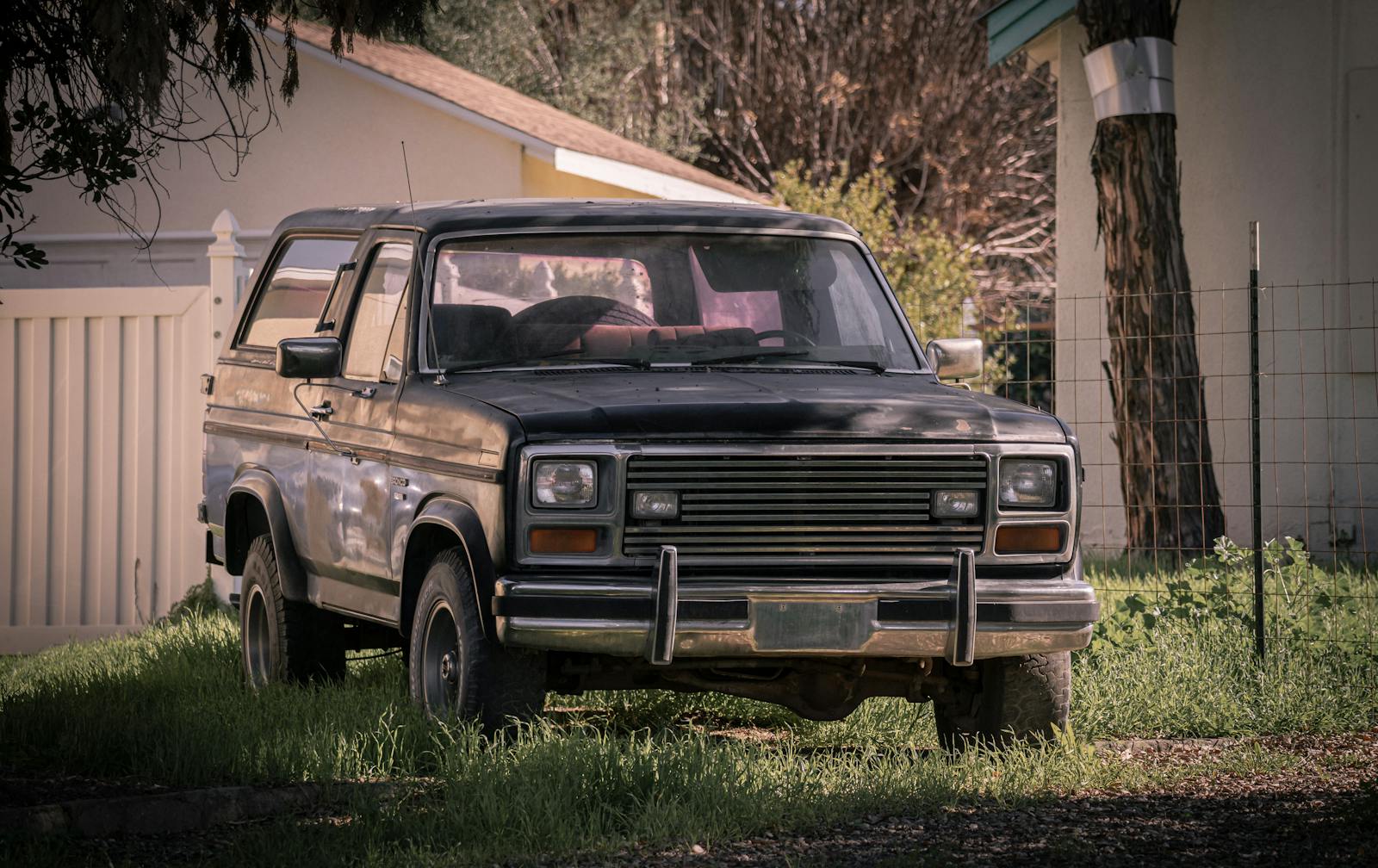
As the automotive industry increasingly focuses on electric and hybrid vehicles, many enthusiasts are calling for the return of classic models that defined eras of driving. The nostalgia for vintage cars resonates with a broad audience, impacting manufacturers’ potential sales and brand loyalty. Reviving these iconic models could not only honor automotive history but also attract a new generation of drivers.
1. Ford Bronco (1966-1996)
The Ford Bronco, originally produced from 1966 to 1996, is a quintessential example of American automotive culture. After a 25-year hiatus, Ford reintroduced the Bronco in 2020, and the model has seen significant demand, with sales exceeding 100,000 units within its first year. Its rugged design and off-road capabilities resonate with outdoor enthusiasts, making it a prime candidate for continued production.
2. Chevrolet El Camino (1959-1987)
The Chevrolet El Camino, a unique blend of a pickup truck and a car, has been absent from the market since 1987. Its distinctive style and versatility attracted a loyal following, particularly among those who valued functionality without sacrificing aesthetics. Given the rise in demand for lifestyle vehicles, a modern reinterpretation of the El Camino could tap into a market that craves practicality and nostalgia.
3. Volkswagen Microbus (1950-2013)
The Volkswagen Microbus, or Type 2, is celebrated for its iconic shape and cultural significance, especially in the 1960s and 70s. Although Volkswagen announced plans to revive the Microbus with the ID. Buzz, the vehicle has faced delays in its release. With a growing interest in electric vehicles and family-friendly designs, a reimagined Microbus could serve as both a tribute to its roots and a practical option for eco-conscious consumers.
4. Pontiac Firebird (1967-2002)
The Pontiac Firebird was a symbol of American muscle, known for its powerful performance and striking design. Although Pontiac ceased operations in 2010, the Firebird remains a beloved classic among car enthusiasts. Reviving the Firebird as an electric performance vehicle could appeal to a younger demographic while maintaining its legacy of speed and style, especially as muscle cars evolve to meet modern environmental standards.
5. Datsun 240Z (1969-1978)
The Datsun 240Z is often credited with bringing affordable sports cars to the masses, combining performance with an accessible price point. Its lightweight design and sleek lines made it a favorite among driving purists. A modern version of the 240Z could rejuvenate interest in affordable sports cars, especially as manufacturers are moving toward more efficient models that don’t compromise on performance.
6. Chrysler New Yorker (1940-1996)
The Chrysler New Yorker established itself as a symbol of luxury throughout its long production run. Known for its spacious interior and smooth ride, the New Yorker catered to those who valued comfort and style. As the automotive industry pivots towards electric and hybrid vehicles, a luxury electric sedan modeled after the New Yorker could fill a niche for consumers seeking both elegance and sustainability.
The Impact of Reviving Vintage Models
Bringing back these vintage models could significantly impact automakers’ market strategies. According to a 2022 survey by IHS Markit, 57% of car buyers expressed interest in purchasing a vehicle that evokes nostalgia. This sentiment presents manufacturers with a unique opportunity to capitalize on emotional marketing while also addressing the growing demand for sustainable alternatives.
Conclusion: The Time for Revival is Now
The revival of these six classic models could not only enhance automakers’ portfolios but also reignite consumer passion for iconic cars. As the automotive landscape evolves, the blend of nostalgia and innovation will become increasingly important. Automakers must listen to consumer desires and consider these vintage models in their future production plans.
Consumers are encouraged to voice their preferences to automakers through social media and customer feedback channels. The time to act is now; the future of classic automotive models hangs in the balance, and your opinion might just be the catalyst for change.