

You might love the look or price of a car, but ownership costs can surprise you after the sale. Know the signs that a vehicle will drain your wallet so you can avoid costly mistakes before they happen.
This article walks you through what to watch for—from recurring repair bills and rising insurance to fast depreciation and nagging mechanical warnings—so you can decide whether a car is a smart buy or a financial trap.
Frequent costly repairs popping up
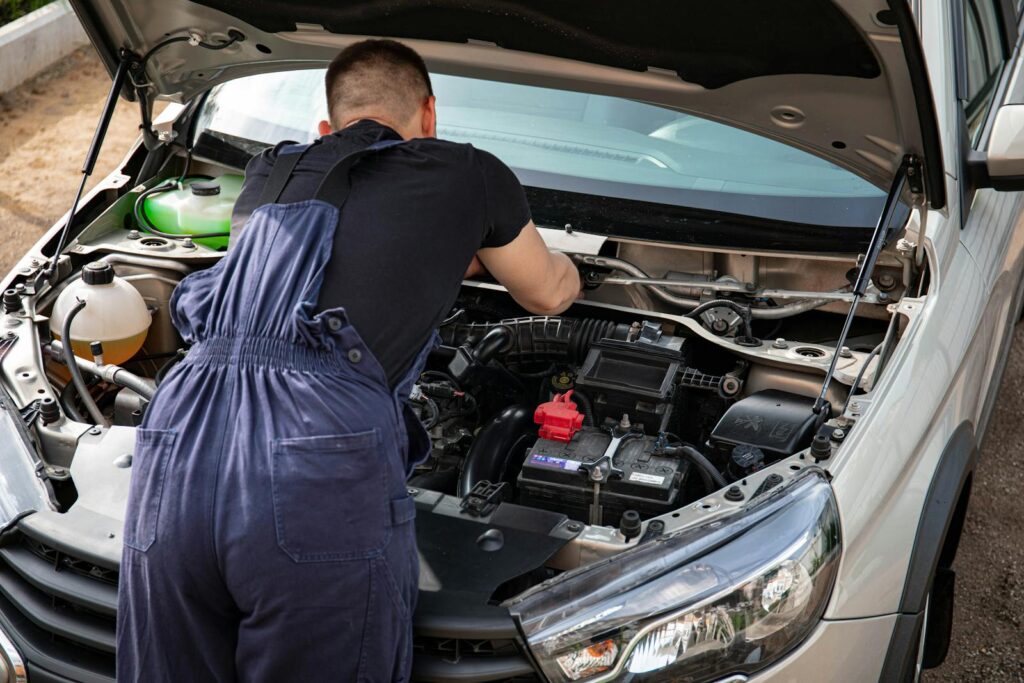
If you find yourself paying for the same major fixes repeatedly, your car is likely becoming expensive to keep.
Repeated engine, transmission, or electrical repairs quickly add up and cut into any savings from the purchase price.
Track repair history and ask why the same issues recur.
Persistent problems can signal design flaws, prior poor repairs, or hidden damage that will keep costing you.
Consider whether continued repairs exceed the car’s value before you commit to another big bill.
For guidance on common expensive repairs and warning signs, see this overview of most expensive car repairs.
Insurance premiums spiking unexpectedly
You might be surprised when your premiums jump after a renewal. Insurers raise rates for costly repairs, higher accident claims, and regional trends like severe weather that push prices up.
If your model has expensive parts or requires specialist labor, expect bigger hikes. Check trends for your make and model and compare rates from multiple companies.
Look for unexpected rating factors such as a new commute, recent claims in your area, or changes in state regulation. Shop around and ask insurers why your quote rose.
Rapid depreciation hitting your resale value
If a model loses value fast, you’ll eat the cost when you sell or trade it in.
Luxury badges and some EVs often fall hardest, sometimes shedding most of their value in five years — check lists like those from Forbes for examples.
Buying used can blunt depreciation, but you’ll still want to research five-year retention and typical market demand.
If resale matters to you, prioritize models with steady demand and proven reliability.
Fuel efficiency tanking as mileage climbs
If your MPG drops as the odometer climbs, expect higher running costs and more frequent fill-ups. Small declines add up quickly when you drive a lot.
Check for worn spark plugs, dirty air filters, or a failing oxygen sensor—these raise fuel use and deserve prompt attention. You can also track real fuel economy versus the dash estimate to spot sudden changes.
Multiple warning lights staying on
If several dashboard lights stay lit, your car likely has an electrical or control-module problem rather than separate component failures.
That can mean expensive diagnostics and repairs, especially if the alternator, wiring harness, or computer modules need replacement.
You should stop driving if critical systems like ABS or engine management are affected.
Have a technician check voltage and error codes — a simple battery test can rule out some causes, but module work raises repair bills.
Transmission or engine making weird noises
If your car starts to whine, grind, or clunk, don’t ignore it. Strange sounds from the transmission or engine often signal wear that gets more expensive the longer you wait.
A burning smell or delayed shifting paired with noise usually means a fluid, clutch, or internal component problem. Get a professional check; catching these issues early can keep repair bills from ballooning.
Learn to recognize changes in pitch or rhythm—new noises are rarely harmless and often predict bigger failures.
More from Steel Horse Rides: