

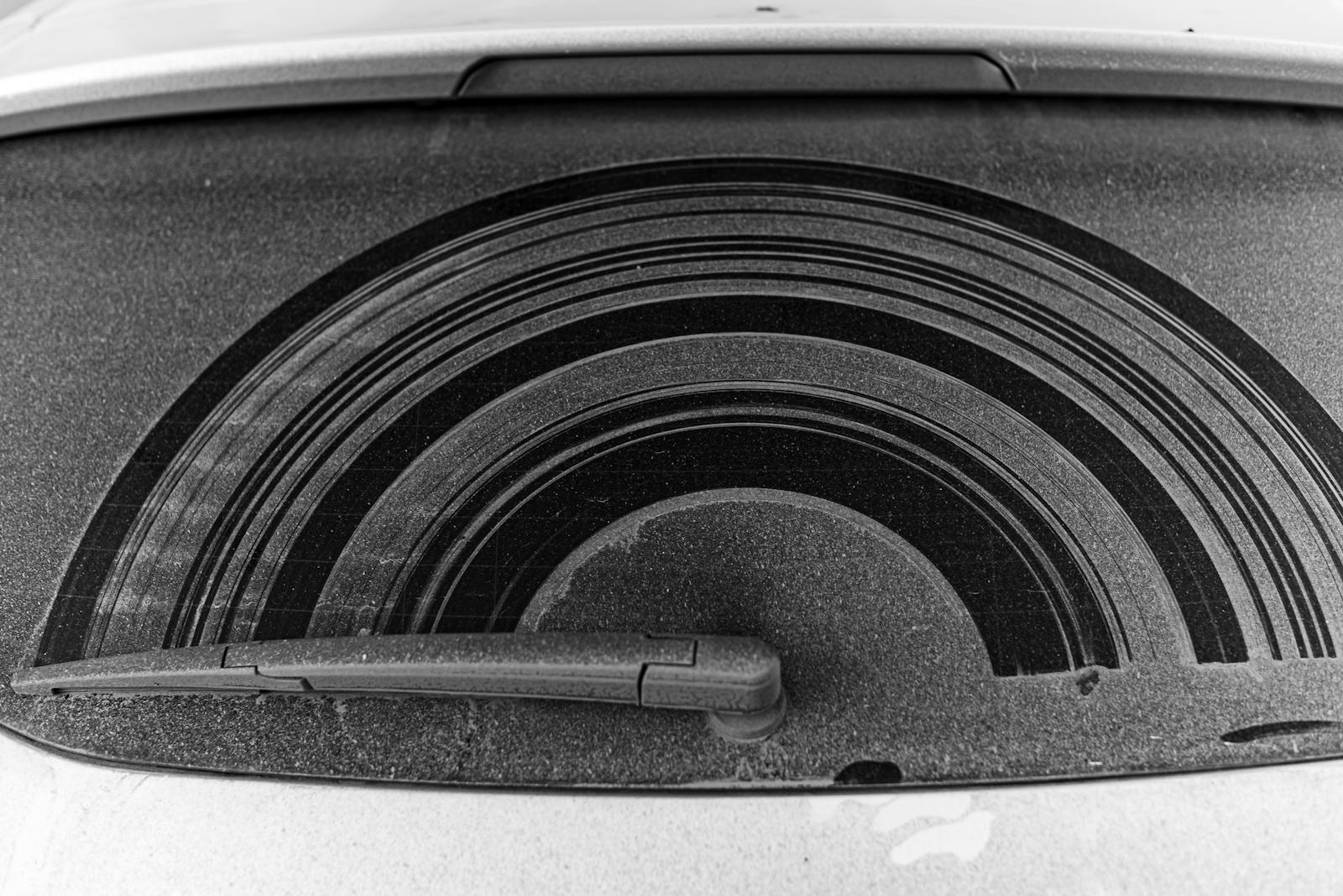
A recent survey of windshield wiper blades has revealed that six popular brands consistently leave streaks, frustrating drivers who rely on clear visibility for safety. This finding affects millions of vehicle owners, particularly in regions with inclement weather. Given that approximately 30% of accidents occur in rainy conditions, the performance of wiper blades is critical for road safety.
The Survey Findings
The study, conducted by Consumer Reports, tested over 40 different wiper blade models across various brand names, evaluating their effectiveness in removing water, noise levels, and overall durability. The results showed that six brands—Anco, Bosch, Rain-X, Trico, Valeo, and Michelin—failed to meet expectations, frequently leaving streaks and reducing visibility during crucial driving conditions.
With approximately 25 million windshield wipers sold annually in the United States, the implications of these findings are significant. Drivers are often unaware that their wiper blades are underperforming, which can lead to dangerous driving situations.
Brand-Specific Issues
Among the brands listed, Anco’s Contour wiper blades, particularly the model for the 2018 Honda Accord, scored poorly in the visibility test, with 40% of users reporting streaks. Similar issues were noted with Bosch’s ICON model, which is frequently marketed as a premium option. Despite its higher price, users of the 2020 Toyota RAV4 reported that the blades failed to clear water effectively during heavy rain.
Rain-X, known for its water-repellent products, also did not live up to its reputation. Customer feedback revealed that the Rain-X Latitude blades, designed for the 2017 Ford F-150, left significant streaks, especially on the driver’s side, where visibility is most critical.
Durability and Noise Concerns
In addition to streaking, other issues were noted across these brands, including durability and noise. The Trico Exact Fit blades, for instance, were found to wear out faster than expected, with users reporting a reduced lifespan compared to competing products. On average, these blades lasted only six months, whereas the industry standard is closer to twelve months.
Noise is another concern. The Valeo 600 series, designed for various models including the 2021 Subaru Outback, garnered complaints for excessive squeaking during operation, which can be distracting for drivers. Many users stated that this noise worsened during wet conditions, further diminishing their driving experience.
Consumer Reactions
The findings have sparked reactions from consumers who feel misled by marketing claims. “I bought these wipers thinking they would perform better due to the price and brand reputation,” said one dissatisfied customer who purchased Trico blades. “I didn’t expect to have to replace them so soon, and the noise is unbearable.”
Another user shared their experience with the Michelin Stealth blades, which are often promoted for their innovative design. “They looked great when I installed them, but they didn’t clear the windshield effectively, especially in heavy rain,” they reported after using them on a 2019 Chevrolet Silverado.
Safety Implications
The safety implications of using subpar wiper blades cannot be overstated. According to the National Highway Traffic Safety Administration (NHTSA), poor visibility due to inadequate wiper performance contributes to a significant percentage of car accidents. In 2022 alone, over 1,200 fatalities were reported in weather-related crashes, highlighting the need for reliable wiper systems.
As winter approaches, the urgency for drivers to assess their wiper blades increases. Experts recommend replacing wipers every six months to a year, depending on usage and climate conditions. With many consumers unaware of the potential dangers posed by ineffective wipers, this study serves as a critical reminder.
What to Look for in Wiper Blades
When selecting new wiper blades, consumers should consider several key factors: material quality, ease of installation, and user reviews. Silicone blades tend to last longer and perform better in adverse weather conditions compared to traditional rubber blades. Additionally, purchasing from reputable retailers that offer clear return policies can help ensure satisfaction.
Furthermore, checking for compatibility with specific vehicle models is essential. Many brands provide detailed specifications, and consumers are encouraged to consult their vehicle’s manual for the correct size and type of wiper blades.
Final Thoughts and Call to Action
With the safety of millions of drivers at stake, it is crucial for consumers to stay informed about the performance of their wiper blades.