

You rely on your oil filter to protect your engine, but not all brands meet the same standards. You’ll learn which types of filters commonly cause problems and how avoiding them can prevent costly repairs and poor engine performance.
This article walks you through the kinds of filters that often underperform — from poorly made aftermarket options to overpriced manufacturer-branded units — so you can make smarter choices when buying replacements.
Fram Oil Filter
You may recognize Fram for its wide availability and budget price, but many owners report inconsistent build quality. Some filters have shown media collapse or bypass issues in independent tests, which can reduce filtration effectiveness.
If you value engine protection, consider higher-rated alternatives that use stronger media and tighter quality control. Inspect filters for solid end caps and good seals before installation to reduce risk.
Frantz Filters
You may remember Frantz as a long-established brand, but quality concerns and inconsistent batches have been reported since ownership changes.
Using a filter with variable filtration performance can let more contaminants through, increasing engine wear over time.
If your vehicle needs precise filtration, choose brands with verified micron ratings and consistent test data.
Always cross-check part numbers and read recent user reviews before you buy to protect your engine.
Supertech Oil Filter
You might see Supertech filters as a low-cost option at the store, but they often use simpler materials and less rigorous quality control than premium brands. That can increase the chance of bypass valve issues or lower filtration efficiency over time.
If you want to protect your engine, choose filters with solid track records and verified test data. Spending a bit more on a reputable filter reduces the risk of premature engine wear.
Generic No-Name Filters
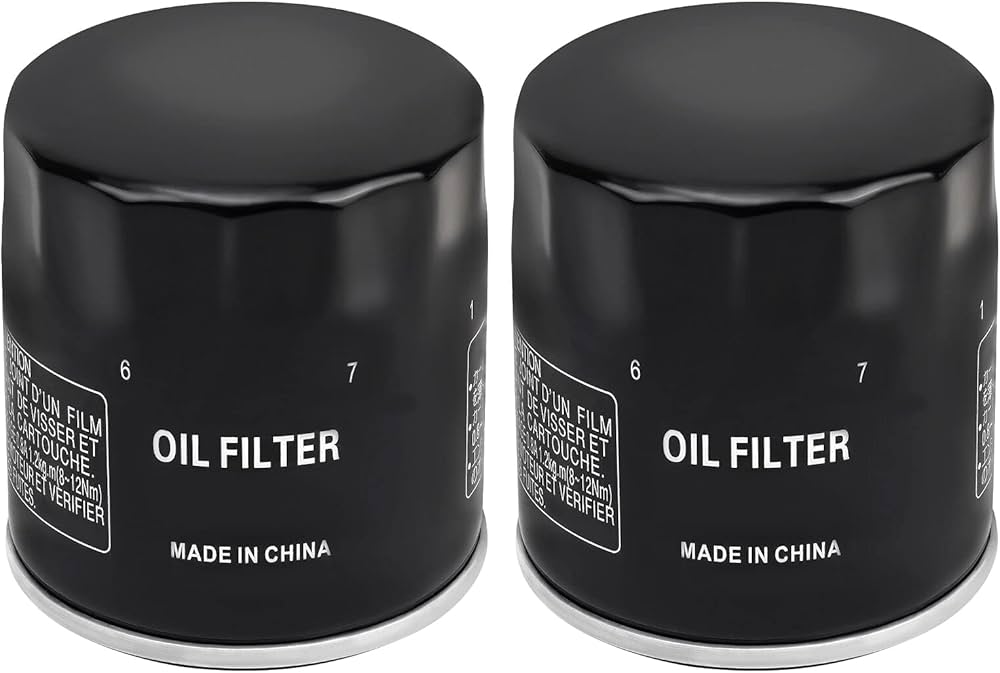
You might be tempted by very cheap, unbranded oil filters at discount stores. They often use lower-grade media and inconsistent sealing, which can let contaminants circulate in your engine.
Buying no-name filters risks poor fit and bypass valve failures. Choose filters with clear specs and manufacturer backing to protect your engine and avoid unexpected breakdowns.
Manufacturer-Branded Filters (Overpriced and Low Quality)
You might assume a name on the box guarantees quality, but some manufacturer-branded filters mark up price without matching performance. They can use cheaper media or thinner end caps while charging more than comparable aftermarket options.
If your goal is protection and value, check filtration efficiency ratings and build details rather than brand alone. Choosing a reputable aftermarket filter that meets specs often gives you better protection for less money.
Cheap Aftermarket Filters with Poor Materials
You might be tempted by very low prices, but cheap aftermarket filters often use thin metal cans and low-grade media that trap fewer particles. Poor seals and inferior adhesives increase the risk of leaks and bypass during operation.
When a filter sheds fibers or collapses, contaminants can circulate freely and accelerate wear. Choose filters that list media type and efficiency ratings to protect your engine and your wallet.
More from Steel Horse Rides: