

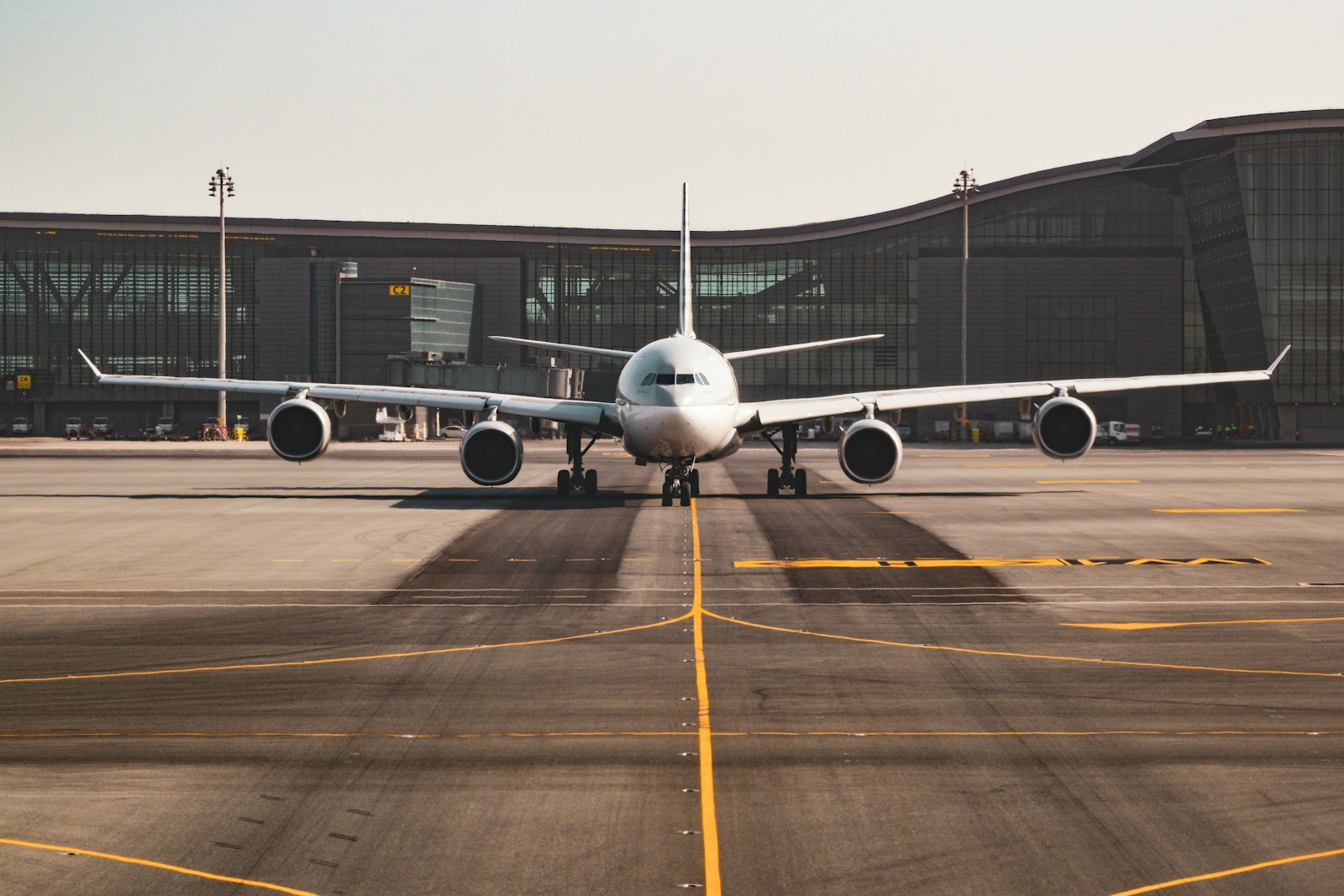
Aircraft maintenance is crucial for ensuring safety and reliability in the aviation industry. However, certain airplane models have gained notoriety for their frequent maintenance issues, leading to costly repairs and operational disruptions. This article highlights seven airplanes that have consistently posed significant challenges for airlines and maintenance crews alike, impacting their operational efficiency and safety standards.
Boeing 737 MAX (2017)
The Boeing 737 MAX faced a catastrophic series of events following two fatal crashes in 2018 and 2019, which prompted a worldwide grounding of the fleet. The aircraft’s Maneuvering Characteristics Augmentation System (MCAS) was identified as a critical failure point, leading to extensive redesign and retraining efforts. Despite resuming operations in late 2020, airlines have reported ongoing software and mechanical issues, resulting in increased maintenance costs and extended downtime.
Airbus A380 (2005)
The Airbus A380, the world’s largest passenger aircraft, has been plagued with maintenance challenges since its introduction. Airlines operating the A380 have reported high costs associated with its four-engine configuration and complex systems. According to a 2021 report, maintenance costs for the A380 can be as high as 20% more than those for smaller twin-engine jets, leading some carriers to reconsider their fleets.
Boeing 787 Dreamliner (2011)
The Boeing 787 Dreamliner was initially celebrated for its innovative design and fuel efficiency, but it quickly became a maintenance burden due to various technical issues. Problems like battery malfunctions, fuel leaks, and faulty components have plagued the aircraft, prompting multiple groundings and extensive inspections. Recent estimates suggest that maintenance-related disruptions have cost airlines upwards of $1 billion since the aircraft’s launch.
McDonnell Douglas DC-10 (1970)
The McDonnell Douglas DC-10 is notorious for its maintenance nightmares, primarily due to its complex tri-engine design. Throughout its operational history, the DC-10 has experienced numerous incidents related to engine failures and hydraulic system malfunctions. Although it was phased out of most commercial services, the aircraft’s legacy of maintenance challenges still resonates within aviation safety discussions today.
Lockheed L-1011 TriStar (1970)
The Lockheed L-1011 TriStar was a technological marvel of its time, but it also presented significant maintenance challenges. Issues with its Rolls-Royce engines led to prolonged groundings and costly repairs for operators. Furthermore, the aircraft’s sophisticated systems often required specialized training for maintenance crews, further complicating operational efficiency and increasing overall maintenance costs.
Bombardier Q400 (2000)
The Bombardier Q400, a turboprop aircraft favored for regional flights, has faced criticism for its maintenance issues, particularly concerning its propeller and landing gear systems. Airlines have reported frequent mechanical failures, leading to delays and cancellations. In 2019, an analysis revealed that the Q400 had a maintenance downtime rate of 20% higher than its competitors, raising concerns among regional carriers about its reliability.
Embraer E190 (2004)
The Embraer E190, while popular among regional airlines, has encountered maintenance headaches related to its electrical systems and landing gear. Reports indicate that airlines operating the E190 have experienced delays due to recurring issues with hydraulic leaks and electrical failures. A 2021 survey conducted by airline operators found that maintenance costs for the E190 increased by 15% over five years, prompting some carriers to evaluate alternative aircraft options.
Conclusion
The maintenance challenges associated with these seven aircraft models highlight the complexities of modern aviation. As airlines strive to balance safety, reliability, and operational efficiency, the impact of maintenance issues cannot be underestimated. With the aviation industry still recovering from the COVID-19 pandemic, addressing these challenges is more critical than ever as airlines aim to restore passenger confidence and operational integrity.
As travelers and industry stakeholders, it is essential to stay informed about the performance and reliability of various aircraft models. Understanding which airplanes may present maintenance nightmares can influence travel decisions and investment strategies. Airlines must prioritize transparency and communication regarding aircraft safety and maintenance to ensure passengers feel secure in their travel choices.
For more information on aircraft safety and maintenance updates, stay tuned to reliable aviation news sources and consider advocating for transparency in airline operations. Your awareness can contribute to a safer flying experience for everyone.