

Despite their potential, several American car models have failed to achieve the success and recognition they deserved in the automotive market. These vehicles not only represented significant investments from manufacturers but also showcased innovative designs and engineering. Understanding why these cars fell short is essential for consumers and industry watchers alike, as it highlights missed opportunities in the competitive automotive landscape.
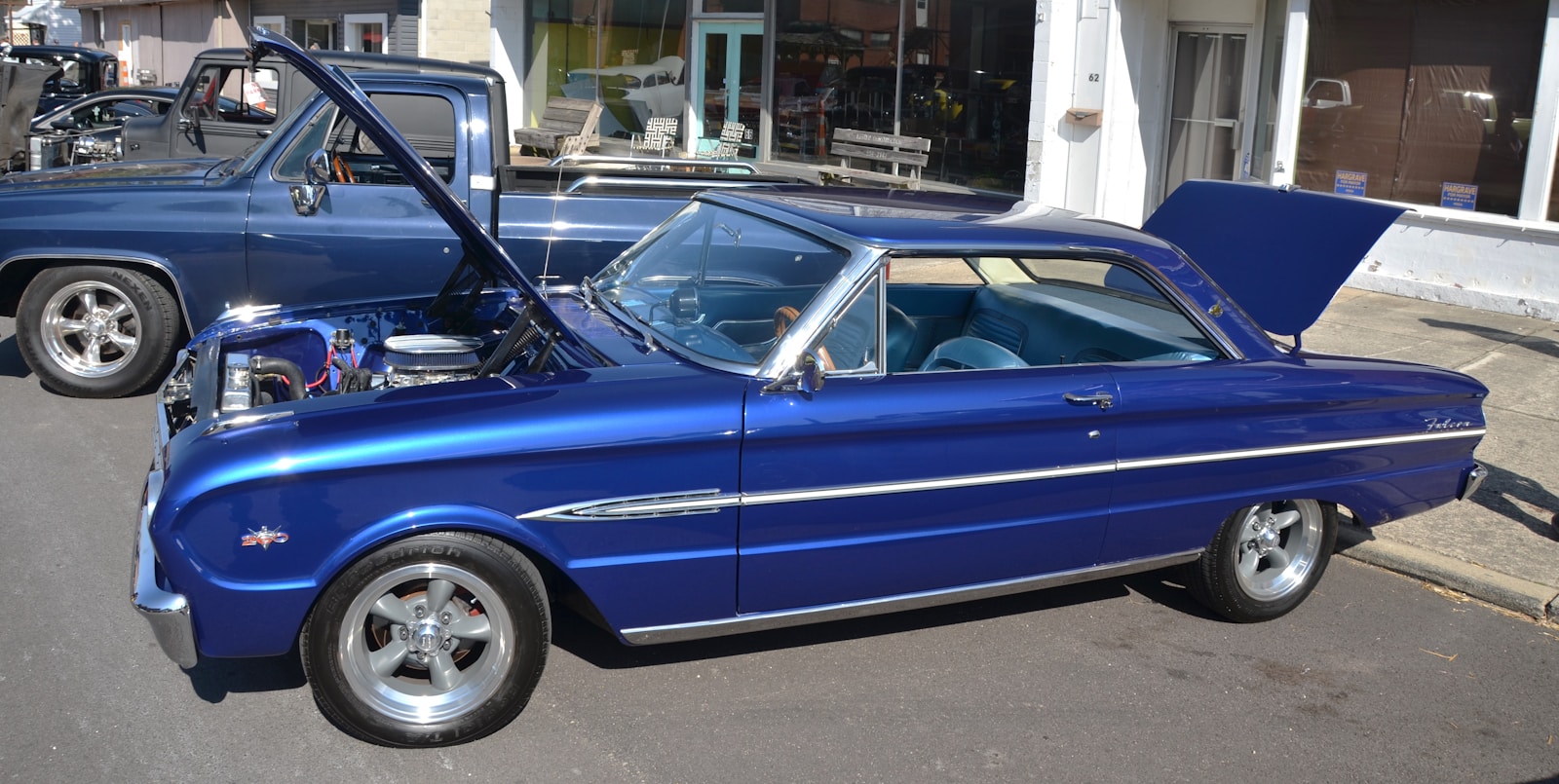
1. Ford Falcon (1960-1970)
The Ford Falcon was one of the first compact cars produced in the United States, designed to be affordable and fuel-efficient. Despite its popularity in the 1960s, particularly among younger buyers, Ford eventually phased it out due to changing consumer preferences and the growing dominance of larger vehicles like the Mustang. The Falcon had the potential to become a staple in American households, but its discontinuation left a void in the compact car segment.
2. Chevrolet SSR (2003-2006)
Chevrolet’s SSR was a unique blend of a pickup truck and a convertible sports car, boasting a distinctive retro design. However, it fell short of sales expectations, with only about 24,000 units sold during its production run. Many automotive experts believe that the SSR’s high starting price of around $41,000 limited its market appeal, despite its impressive performance capabilities and innovative features.
3. Pontiac Aztek (2001-2005)
Often cited as one of the most unattractive vehicles ever produced, the Pontiac Aztek was initially designed to cater to the growing demand for SUVs. However, its unconventional design and lack of refinement led to poor sales, with only 119,000 units sold over five years. Despite its shortcomings, the Aztek featured several innovative elements, including a built-in cooler and tent, which could have positioned it as a pioneer in the crossover market.
4. Chrysler 300C (2005-2010)
The Chrysler 300C was initially heralded as a return to form for American luxury sedans, combining bold styling with powerful engine options. At its peak, the 300C sold over 150,000 units in 2005 alone, appealing to a mix of consumers seeking luxury and performance. However, as the market shifted towards more fuel-efficient vehicles, the 300C struggled to maintain its foothold, ultimately leading to a decline in sales and the model’s phased-out status.
5. Dodge Magnum (2005-2008)
The Dodge Magnum was a unique entry in the automotive market, offering a combination of a wagon body style with muscle car performance. It was equipped with a potent HEMI engine, making it a favorite among enthusiasts. Unfortunately, despite its performance capabilities, the Magnum was discontinued after only a few years due to lackluster sales, achieving only around 60,000 units sold during its run. Many believe it had the potential to redefine the wagon segment in America.
6. Mercury Marauder (2003-2004)
The Mercury Marauder was a modern interpretation of the classic muscle car, combining a powerful V8 engine with a sleek, aggressive design. Only 11,000 units were produced during its brief two-year run, as consumers gravitated towards SUVs and crossovers instead. The Marauder’s limited production and niche appeal meant that it never reached the heights many industry insiders believed it would.
7. Cadillac ELR (2014-2016)
The Cadillac ELR was an ambitious attempt to combine luxury with electric vehicle technology, featuring a striking design and innovative hybrid powertrain. However, with only about 3,000 units sold, it failed to resonate with consumers, who were not ready to embrace the high price tag of around $75,000. The ELR’s lack of popularity reflected broader challenges in the luxury electric market, where many expected Cadillac to lead the charge.
Conclusion
These seven American cars represent significant missed opportunities in the automotive industry, with each model showcasing unique features and potential that never fully materialized. From the compact Ford Falcon to the luxury Cadillac ELR, these vehicles highlight the importance of consumer preferences and market dynamics. As the automotive landscape continues to evolve, understanding the lessons from these models can help both manufacturers and consumers make informed decisions about future investments in vehicles.
For readers interested in the latest automotive trends, now is the time to stay informed about new model releases and industry shifts. The fate of the next generation of vehicles may depend on the lessons learned from these past powerhouses that never quite made it.