
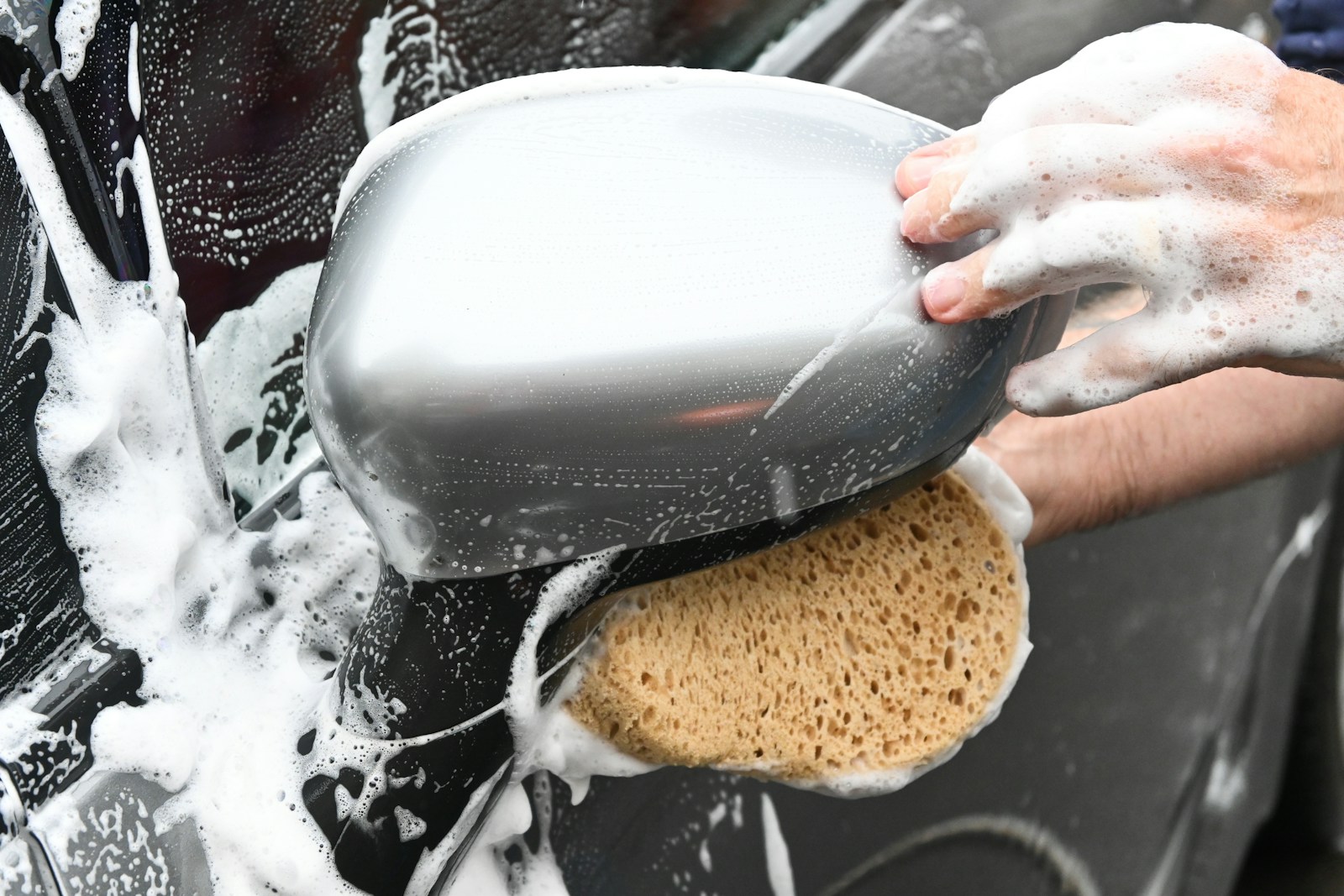

You can baby your car, park it carefully, and still accidentally sandblast the paint with something hiding under your kitchen sink. The tricky part is that a lot of “cleaning” products do make the car look better… right up until the clear coat starts looking tired, hazy, or weirdly patchy in the sun. And once clear coat is gone, it’s not something you can politely scrub back on.
The good news: avoiding paint damage usually isn’t about buying the most expensive detailing stuff on earth. It’s mostly about not using the wrong product in the wrong place, and knowing which common “helper” items are secretly paint bullies. Here are seven of the biggest offenders.
1) Dish soap (yes, the “gentle” kind)
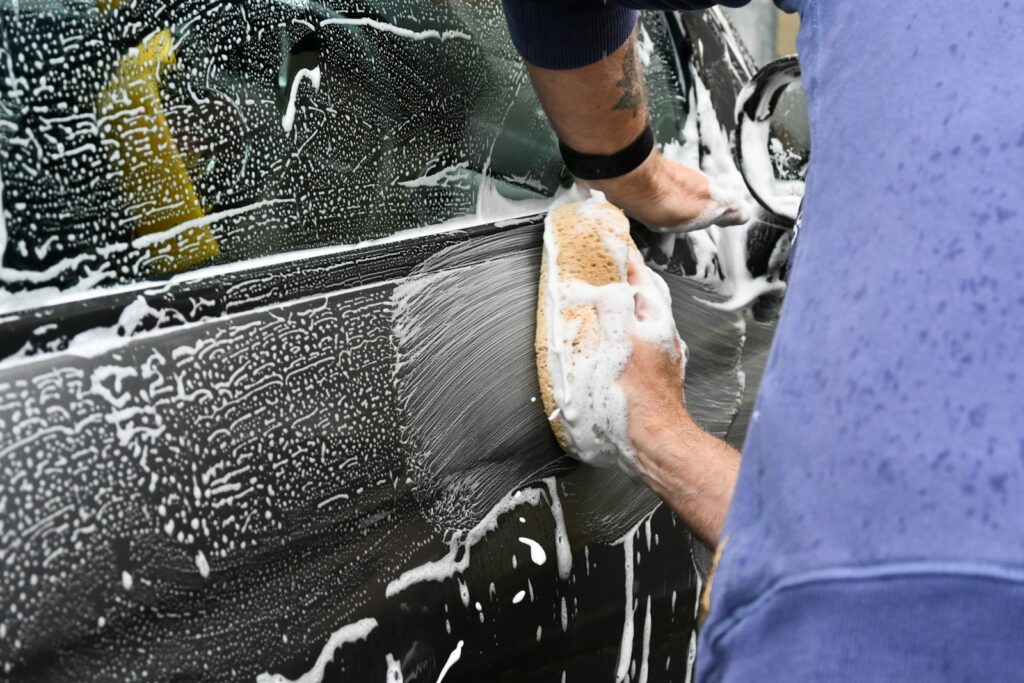
Dish soap is designed to cut grease and leave dishes squeaky clean. That same grease-cutting power can strip protective waxes and sealants off your paint way faster than a proper car shampoo would. Your car might look clean after, but it’s also less protected from UV, water spotting, and road grime.
Now, to be fair, dish soap isn’t instant paint death. If you’re doing a one-time strip wash before polishing or applying a new sealant, some detailers use it intentionally. The problem is when it becomes your regular “car wash” because it’s convenient—your clear coat ends up doing all the work with no protection on top.
2) Household glass cleaner with ammonia
Ammonia-based glass cleaners can be rough on tinted windows and certain plastics, but they can also cause trouble if they overspray onto paint—especially if you’re wiping it around with whatever towel is nearby. The paint may not peel immediately, but repeated exposure can dull trim, dry out rubber, and mess with protective coatings.
The sneakier issue is the habit: you spray, it drifts, it lands on the hood, and then you wipe it with a paper towel like you’re cleaning a kitchen counter. Use an automotive glass cleaner (or an ammonia-free one) and spray onto the towel first when you’re working near paint.
3) Degreasers and engine cleaners used like an all-purpose wash
Degreasers are amazing… in the places they’re meant for. They’re typically high-alkaline cleaners designed to break down heavy oil and grime, which is not the vibe your clear coat signed up for every weekend. On paint, they can strip wax quickly and sometimes leave streaking or staining, especially on hot panels.
The danger zone is using them for bug guts, tar spots, or “that one stubborn patch” on the rocker panels. If you need extra bite, reach for a dedicated bug/tar remover or a citrus pre-wash that’s paint-safe, and always follow the dilution directions. More concentrated doesn’t mean “more professional”—it often just means “more damage.”
4) Magic erasers (melamine foam)
Magic erasers feel like sorcery because they remove marks with almost no effort. The not-so-magical truth is they work like ultra-fine sandpaper. On paint, that can translate to micro-scratches, haze, and a dull patch that looks like you rubbed the clear coat with a gray Scotch pad—because, functionally, you did.
They’re especially tempting on scuffs and transfer marks, which is exactly where they’ll do the most noticeable damage. If you’ve got paint transfer, use a proper paint-safe solvent or a dedicated remover, then polish if needed. Your future self (and your resale value) will thank you.
5) Abrasive powders and “cream” cleaners
Anything marketed for sinks, tubs, ovens, or stovetops should raise an eyebrow near your car’s paint. Many of these contain abrasives that physically scour surfaces to remove stains. That’s great for porcelain; it’s terrible for a glossy clear coat that’s supposed to reflect like a mirror.
Sometimes the damage doesn’t look dramatic at first—it can show up as a general loss of clarity or a weird “cloud” under certain lighting. If you’re trying to fix water spots or stubborn grime, use automotive products designed for clear coat, like a water spot remover or a light polish, not a bathroom cleaner with grit in it.
6) Harsh wheel and tire cleaners used on paint by accident
Wheel cleaners are often acidic or highly alkaline because brake dust is basically baked-on metal filth. Overspray happens, and if that cleaner sits on your paint while you’re busy scrubbing wheels like you’re training for a CrossFit event, it can stain or etch—especially in heat or direct sun.
This one’s extra sneaky because the damage can look like “mystery water spots” later. A simple habit helps: clean wheels on a cool car, rinse frequently, and don’t let strong chemicals dwell on paint. If you’re using a heavy-duty wheel acid, be even more careful—those products don’t play.
7) Dirty sponges, bath towels, and “whatever cloth is around”
Not a bottled product, but it’s one of the most common paint-damagers out there. A household sponge can trap grit, and a bath towel can be too rough (plus it’s often washed with fabric softener, which leaves residue). Then you drag all that across the paint and create swirl marks you’ll only notice once the sun hits the hood at the perfect angle—aka, every time you leave your driveway.
If you want the simplest upgrade with the biggest payoff, use a dedicated microfiber wash mitt and quality microfiber drying towels. Also: two buckets (one for soapy water, one for rinsing) sounds fussy until you realize it’s basically “don’t rub yesterday’s dirt back onto your paint.”
So what should you use instead?
A pH-balanced car shampoo, soft microfiber tools, and a little patience get you 90% of the way there. For tough stuff—bugs, tar, sap—use a product made for automotive paint and test it on a small spot first. And if a cleaner says “industrial,” “heavy-duty,” or “degreaser” in big proud letters, treat it like hot sauce: great in tiny, intentional amounts, not as a beverage.
If your paint already looks dull or swirly, don’t panic. Many issues can be improved with a proper polish and then protected with a sealant or wax. The real win is avoiding the damage in the first place, because clear coat is one of those things you only truly appreciate once you’ve accidentally removed some of it.
More from Steel Horse Rides: