

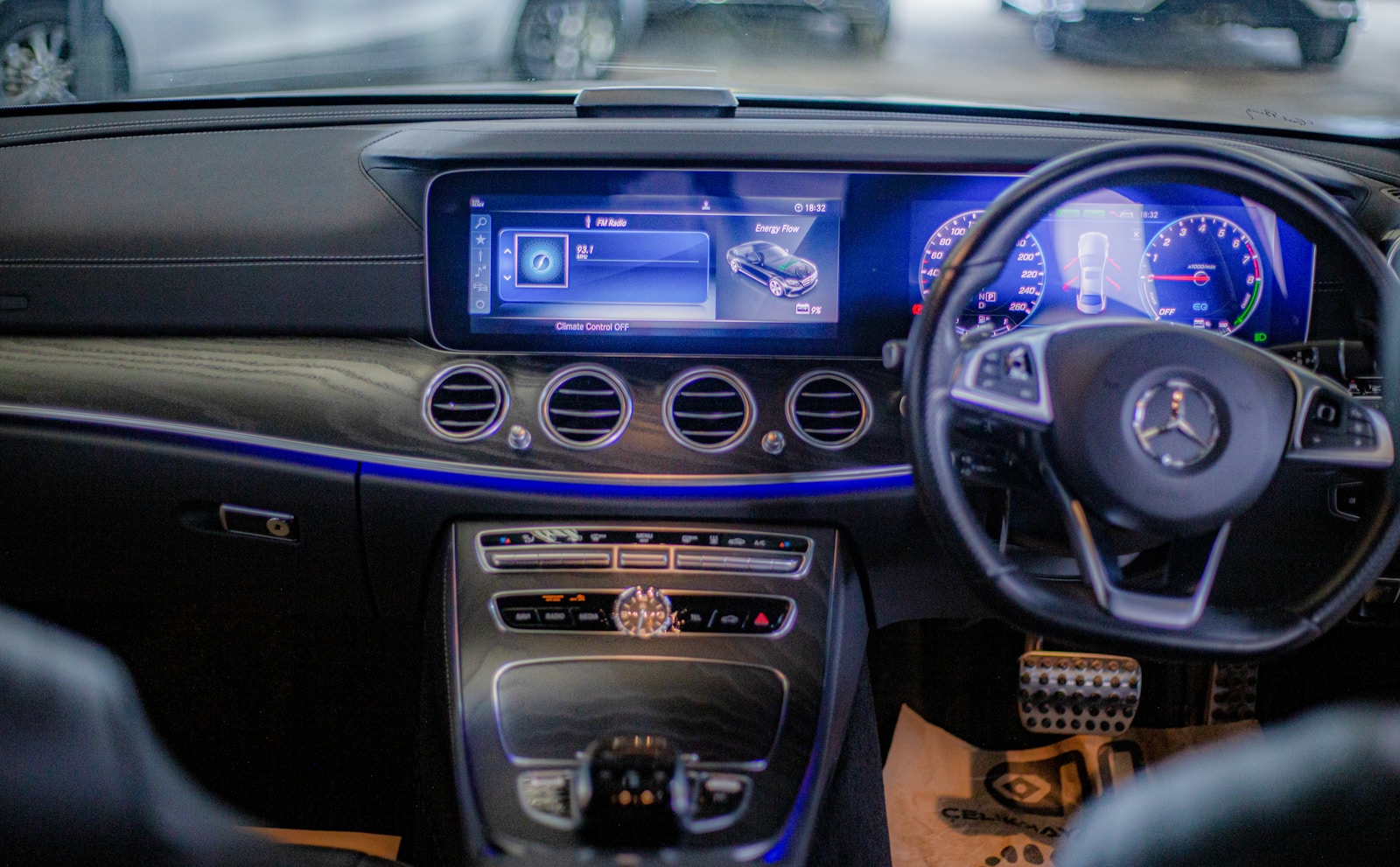
As the automotive industry evolves, certain trends have emerged that not only frustrate mechanics but also complicate vehicle maintenance for drivers. From over-engineered features to difficult-to-repair designs, these trends can lead to higher repair costs and longer service times, impacting both consumers and service professionals alike.
1. Increased Use of Complex Electronics
Modern vehicles are equipped with sophisticated electronic systems that control everything from safety features to entertainment options. For instance, the 2021 Tesla Model 3 relies heavily on software for its Autopilot feature. While these advancements enhance the driving experience, they also create headaches for mechanics who must navigate intricate wiring and software diagnostics, often requiring specialized training and tools.
2. Engine Start-Stop Technology
Engine start-stop systems, designed to improve fuel efficiency by shutting off the engine during idle periods, are becoming standard in many models, including the 2022 Honda Civic. However, mechanics express frustration as these systems can lead to premature wear on components such as the starter motor and battery. As a result, repairs can be both costly and time-consuming for vehicle owners.
3. Difficulty in Accessing Components
Many newer models are designed with aesthetics in mind, often prioritizing sleek designs over serviceability. The 2020 BMW X5, for example, has many engine components that are challenging to reach, which can significantly increase labor costs when repairs are needed. Mechanics argue that this trend not only slows down repairs but also discourages routine maintenance, ultimately leading to more severe vehicle issues down the line.
4. Integrated Technology and Infotainment Systems
Infotainment systems have become a focal point of consumer preference, with vehicles like the 2022 Ford F-150 offering advanced connectivity features. However, these systems can be a nightmare for mechanics when they malfunction. Repairing or replacing a faulty infotainment unit can cost upwards of $1,500, and the complexity of these systems often requires dealers or specialized technicians, further driving up costs for consumers.
5. Limited Availability of Repair Parts
Automakers are increasingly opting for proprietary parts, which can lead to limited availability for independent mechanics. For instance, parts for the 2021 Volkswagen ID.4 electric vehicle may only be sourced from the dealership network, delaying repairs and increasing costs. This trend not only frustrates mechanics but also leaves consumers waiting longer for essential repairs.
6. Overly Tight Engine Compartments
As manufacturers strive for better aerodynamics and fuel efficiency, engine compartments have become more compact, making it difficult to access critical components. The 2022 Toyota RAV4 Hybrid is an example where mechanics find it challenging to perform basic tasks like changing spark plugs or accessing the oil filter. This design trend is frustrating for mechanics who must often resort to creative solutions to complete their work efficiently.
7. Shortened Vehicle Lifespans
With the push towards electric vehicles (EVs) and hybrid models, there is a growing trend of manufacturers promoting shorter vehicle lifespans. For example, many new EVs come with warranties that last only 8 years or 100,000 miles, such as the 2021 Chevrolet Bolt EV. While this may encourage consumers to purchase new vehicles more frequently, it raises concerns among mechanics about the long-term viability and sustainability of current automotive practices.
Conclusion: A Call to Action for Consumers
As these trends continue to evolve, consumers must stay informed about the implications for vehicle maintenance and repair. Understanding the complexities and potential pitfalls of modern vehicles can help drivers make better purchasing decisions. It’s crucial to consider not only the initial cost of a vehicle but also the long-term implications on maintenance and repair costs. Staying engaged with your mechanic and prioritizing regular maintenance can mitigate some of these issues, ensuring your vehicle remains reliable and efficient for years to come.
For car owners, it’s essential to be proactive. Consult with your mechanic regularly about your vehicle’s specific needs and consider how these trends may affect your car’s performance and longevity.