


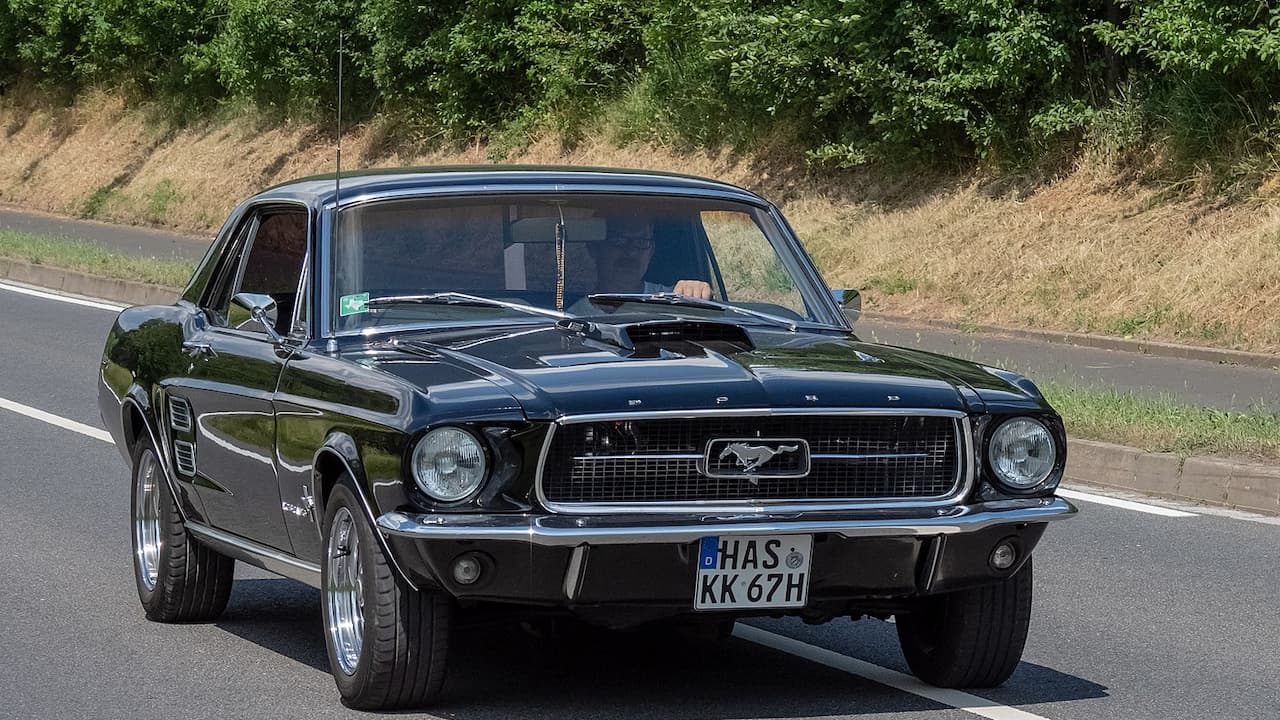
As the Baby Boomer generation continues to age, the nostalgia for their first cars remains a hot topic in automotive culture. For many Boomers, their first vehicle was more than just transportation; it was a rite of passage that symbolized freedom and independence. This article highlights seven iconic cars that defined this generation’s automotive dreams and why they are still celebrated today.
1. Ford Mustang (1964–1973)
The Ford Mustang debuted in 1964 and quickly became a symbol of American muscle and freedom. With a starting price of around $2,368, it was accessible to many young drivers. The Mustang’s sleek design and powerful V8 engine made it a favorite among Boomers, who often recall cruising down the highway with the top down, embodying the spirit of the 1960s.
2. Chevrolet Camaro (1967–1969)
Launched as a direct competitor to the Mustang, the Chevrolet Camaro gained a devoted following among Boomers. Priced similarly to the Mustang, the first-generation Camaro offered a range of powerful engine options, making it a popular choice for young drivers looking for performance. The car’s aggressive styling and reputation for speed solidified its place in automotive history.
3. Volkswagen Beetle (1960–1970)
The Volkswagen Beetle, with its unique design and affordable price, was another favorite among Boomers. Originally selling for around $1,500, the Beetle represented practicality and reliability. Its compact size and fuel efficiency made it ideal for budget-conscious young drivers during the gas crisis of the 1970s. Today, the Beetle remains an icon of the era.
4. Pontiac GTO (1964–1974)
Often referred to as the original muscle car, the Pontiac GTO was a game-changer in the automotive world. With a starting price under $3,000, it combined stylish looks with powerful performance, particularly with its 389 cubic inch V8 engine. Boomers who owned a GTO often reminisce about its speed and the thrill of driving a car that was truly ahead of its time.
5. Dodge Charger (1966–1978)
The Dodge Charger emerged in the mid-1960s and quickly became synonymous with power and performance. Priced around $3,000, it was a favorite among young drivers who wanted to make a statement. With its bold design and high-performance options, the Charger appealed to Boomers looking for excitement on the road, especially during the muscle car era.
6. Chevy Impala (1958–1970)
The Chevy Impala was a staple in American households throughout the 1960s. With a price tag often below $3,500, it offered spacious interiors and a smooth ride, making it a practical choice for families and young couples alike. Boomers who owned an Impala frequently recall road trips and family vacations that were made memorable in this classic sedan.
7. Jeep CJ Series (1944–1986)
The Jeep CJ series has been an enduring symbol of adventure and ruggedness since its introduction. With prices starting around $2,500, these vehicles offered a unique combination of off-road capability and a fun driving experience. Many Boomers fondly remember their first Jeep as the vehicle that took them on camping trips and outdoor adventures, cementing the brand’s place in their hearts.
Why These Cars Matter
These seven cars not only represent the automotive aspirations of the Baby Boomer generation but also reflect broader cultural trends of their time. Each model encapsulates a unique blend of style, performance, and affordability that resonated with young drivers. As Boomers continue to influence automotive trends, their first rides serve as a reminder of a simpler time when cars were seen as symbols of freedom and self-expression.
The Legacy of Classic Cars
As classic cars continue to rise in value, many Boomers are looking to recapture their youthful experiences by investing in vintage models. The classic car market has seen significant growth, with some models appreciating up to 300% in value over the past decade. This trend highlights not only a desire for nostalgia but also the potential for investment in a tangible piece of history.
Call to Action
For readers interested in exploring the world of classic cars, now is the time to act. Whether you’re a Baby Boomer looking to relive your youth or a younger enthusiast eager to understand automotive history, consider visiting local car shows or classic car