

You’ll want to know which cars lose value fastest so you don’t waste money on a steep depreciation curve. This article points out seven models that tend to shed value quickly and explains why that matters for your budget and resale plans.
You’ll get clear, practical insight into patterns that drive rapid depreciation—things like high-tech obsolescence, niche appeal, and costly ownership—and how those factors show up across luxury sedans and certain electric models. Use that insight to make smarter buying or selling choices.
Jaguar XF
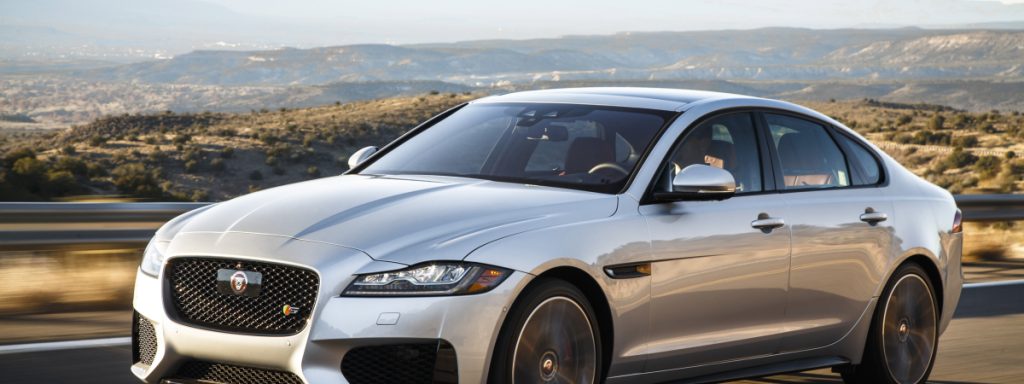
If you buy a Jaguar XF new, expect steep early loss — around half its value within a few years.
You still get strong styling and sporty handling, but those perks come with higher maintenance and rapid depreciation.
Buying a used XF can save you money if you accept past depreciation as part of the deal.
Check service history closely so you don’t inherit big repair costs that accelerate value loss.
Chevrolet Volt
You may have liked the Volt for its electric range and smooth driving feel.
Its resale value fell faster than many expected after production ended, which can worry owners thinking about trade-in or resale.
You should check local parts availability and service options if you plan to sell, since discontinuation affected buyer confidence.
If you want lower depreciation, consider buying a used Volt instead of new and compare prices across listings.
Nissan Leaf
You’ll find the Leaf affordable to buy used, but it tends to lose value faster than many gas cars. Rapid EV tech improvements and range gains make older Leafs less desirable to buyers.
If battery health is uncertain, resale drops further. Check battery capacity, charging history, and available incentives to protect your investment.
You can get a bargain if you’re comfortable with limited range and potential battery replacement costs. Compare prices and inspection results before you commit.
Tesla Model 3
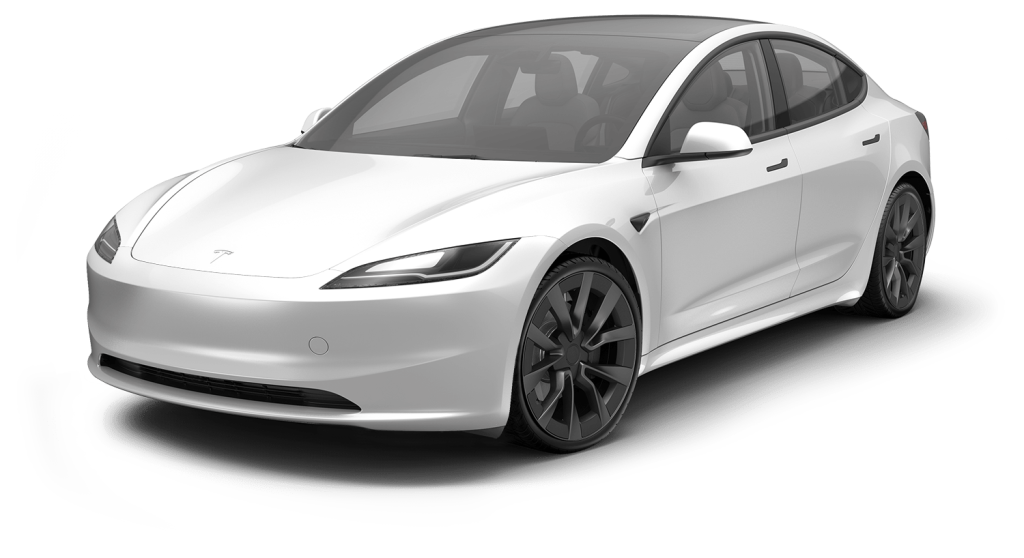
You’ll notice the Model 3 loses value faster than many competitors, with multi-year depreciation often exceeding 50%.
Part of this comes from rapid tech updates and strong new-car demand that shrink used-car prices.
If you plan to resell soon, expect a steep hit; buying used can mitigate that if you shop carefully for later-model trims and warranty coverage.
BMW 7 Series
If you buy a new 7 Series, expect steep early losses; many examples drop around 25–30% in the first year.
High initial price, expensive options, and rapid model updates all speed depreciation and can leave you underwater fast.
Maintenance and repair costs rise as the car ages, which further reduces resale appeal.
If you want luxury at lower cost, consider a gently used 7 Series bought after the steepest depreciation has already occurred.
Audi A8
If you buy an A8 new, expect steep early losses; many examples lose over half their value within five years.
You get plenty of luxury and tech, but high initial price, costly options, and rapid depreciation shrink resale value fast.
Choosing a lightly used A8 often gives you the comfort and features without absorbing the biggest drop in price.
Keep service records and avoid rare options to improve resale prospects.
Mercedes-Benz S-Class
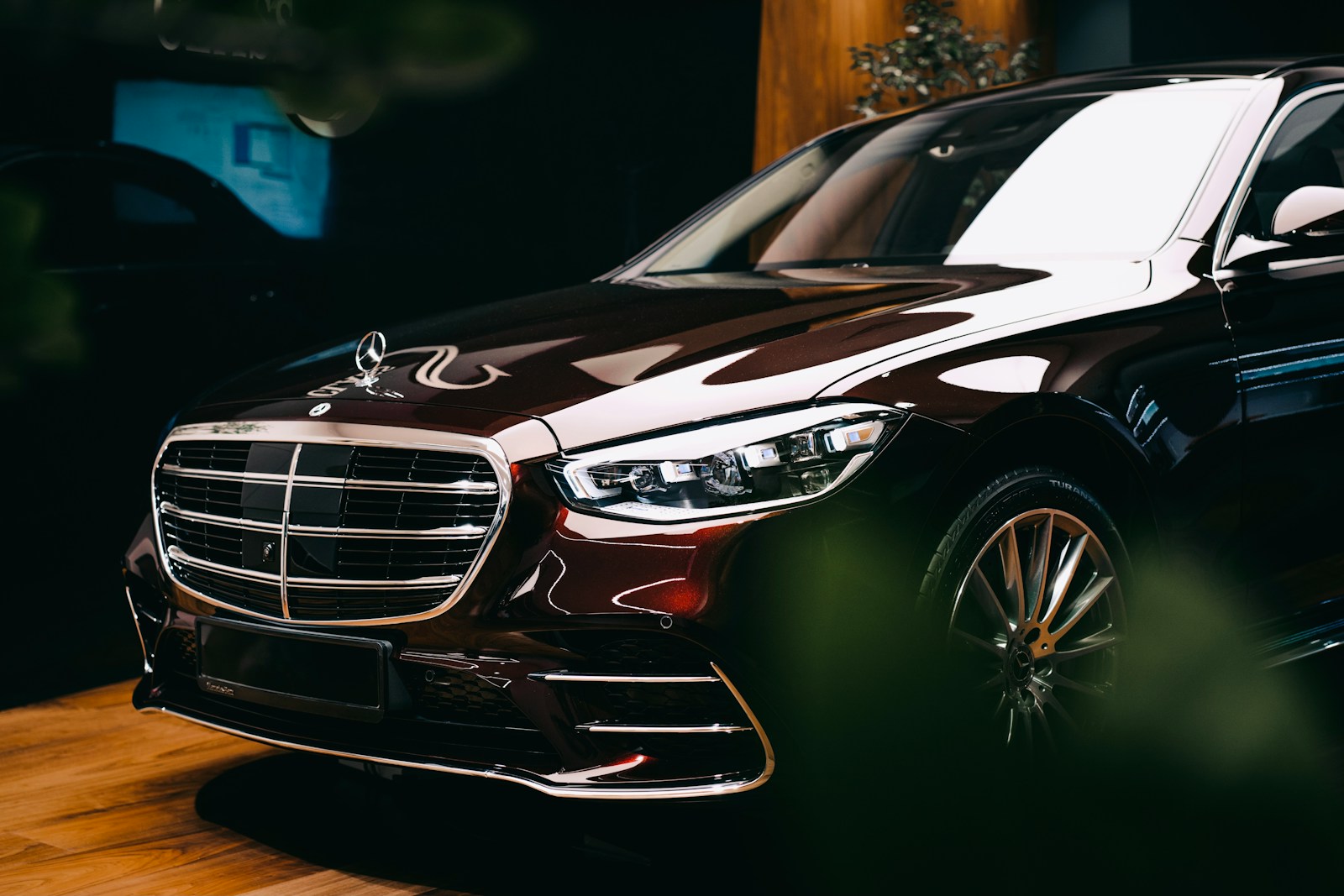
If you buy a new S‑Class, expect steep early depreciation; luxury features and high MSRP drive big first-year losses.
You still get top-tier comfort, tech, and prestige, but those same amenities age quickly in resale markets.
Consider buying a lightly used model two to three years old to avoid the sharpest drop.
Keep service records and limit optional extras to help preserve your resale value.
More from Steel Horse Rides: