

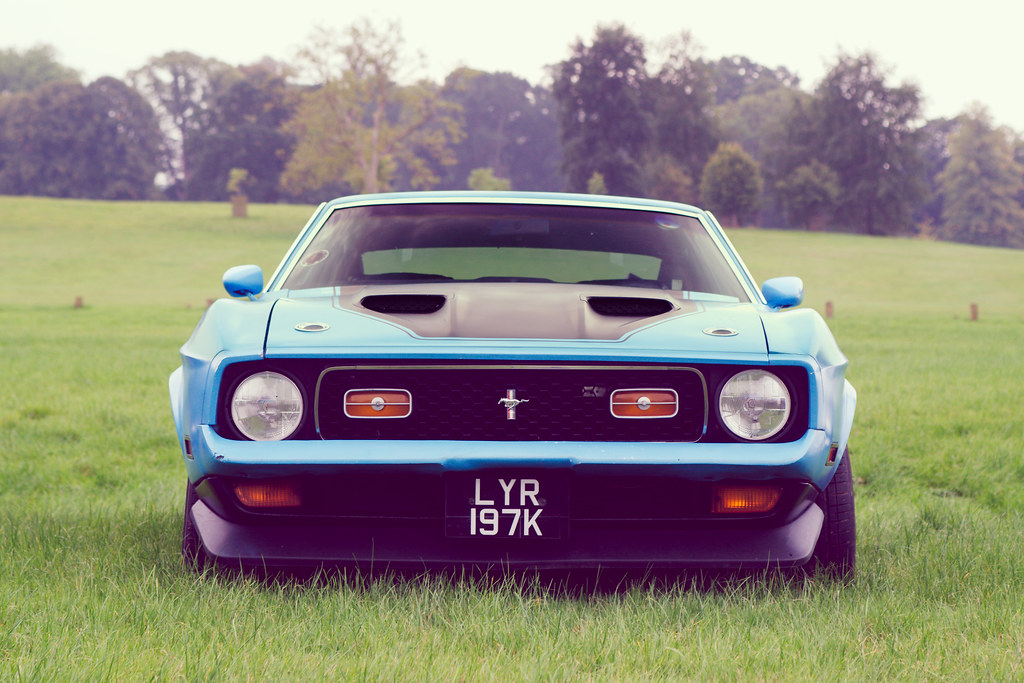
The 1970s are widely regarded as a transformative decade for automotive design, producing vehicles that combined bold aesthetics with innovative engineering. This era not only introduced iconic models but also left a lasting legacy that continues to influence car design today. With the resurgence of interest in classic cars, understanding the significance of these models can provide insight into the evolution of the automotive industry.
1. Ford Mustang (1971)
The 1971 Ford Mustang marked a significant shift in the iconic pony car’s design. The third-generation Mustang showcased a more aggressive stance with a longer hood and a wider body, appealing to a generation that craved performance and style. This model was equipped with a range of powerful engines, including the 351 Cleveland V8, which delivered up to 300 horsepower, making it a symbol of American muscle during a pivotal time in automotive history.
2. Chevrolet Corvette (1978)
The 1978 Chevrolet Corvette celebrated its 25th anniversary with the introduction of the C3 model, which featured a sleek, aerodynamic design. This iteration included a new fastback rear window that enhanced both aesthetics and performance. With a top speed of approximately 130 mph and a 0-60 mph time of just over 6 seconds, the Corvette remained a leader in the sports car segment, captivating enthusiasts with its blend of style and speed.
3. Volkswagen Beetle (1970)
While originally released in the late 1930s, the Volkswagen Beetle gained immense popularity in the 1970s, becoming a cultural icon. By 1972, the Beetle surpassed the Ford Model T as the best-selling car of all time, with over 15 million units produced. Its quirky design and reliable performance resonated with consumers, making it a symbol of the counterculture movement and a testament to the era’s automotive charm.
4. Datsun 240Z (1970)
The Datsun 240Z, introduced in 1970, revolutionized the sports car market with its combination of performance and affordability. Priced around $3,500 at launch, it offered a 2.4-liter inline-six engine that produced 151 horsepower, allowing it to compete with more expensive models. The 240Z’s sleek design and impressive handling earned it a loyal following and established Datsun as a serious player in the automotive landscape.
5. AMC Javelin (1971)
The AMC Javelin debuted in 1968 but reached its design peak in the early ’70s with the introduction of the second-generation model in 1971. This car was known for its distinct styling, highlighted by its bold grille and sweeping lines. The Javelin was equipped with a range of powerful engines, including a 401 cubic inch V8, which contributed to its reputation as a serious contender in the muscle car market, making it a favorite among enthusiasts.
6. Porsche 911 (1973)
The 1973 Porsche 911, specifically the 911 Carrera RS, is considered one of the most iconic models of the brand. With its lightweight construction and a 2.7-liter flat-six engine producing 210 horsepower, it set new performance standards for sports cars. The RS model featured a distinctive “ducktail” rear spoiler and a design that has influenced every subsequent generation of the 911, solidifying its place in automotive history.
7. Chrysler Cordoba (1975)
The 1975 Chrysler Cordoba introduced luxury to the personal luxury coupe segment, featuring rich materials and a distinctive design. Marketed with the tagline “soft, supple leather,” the Cordoba appealed to consumers looking for elegance in their vehicles. With a price tag starting around $5,000, it became a commercial success, selling over 150,000 units in its first year, demonstrating the demand for luxury features in a time of economic uncertainty.
Legacy of ’70s Design
The 1970s were a period of innovation and creativity in automotive design, producing vehicles that remain highly regarded today. From muscle cars to compact coupes, the decade’s designs reflected a shift in consumer preferences, emphasizing performance, style, and comfort. As vintage car shows and classic car markets continue to thrive, the 1970s models serve as a reminder of an era that defined automotive style and engineering.
Conclusion
As interest in classic cars surges, revisiting the automotive designs of the 1970s is more relevant than ever. These seven models not