

The automotive industry is filled with vehicles that, while popular and well-designed, could have reached new heights with a more suitable engine option. This is particularly relevant for car enthusiasts and everyday drivers alike, as the choice of engine can significantly impact performance, efficiency, and overall driving experience. Here are seven cars that, if equipped with the right engine, could have transformed their legacy and enhanced their appeal in the market.
1. Chevrolet Camaro (2016-2022)
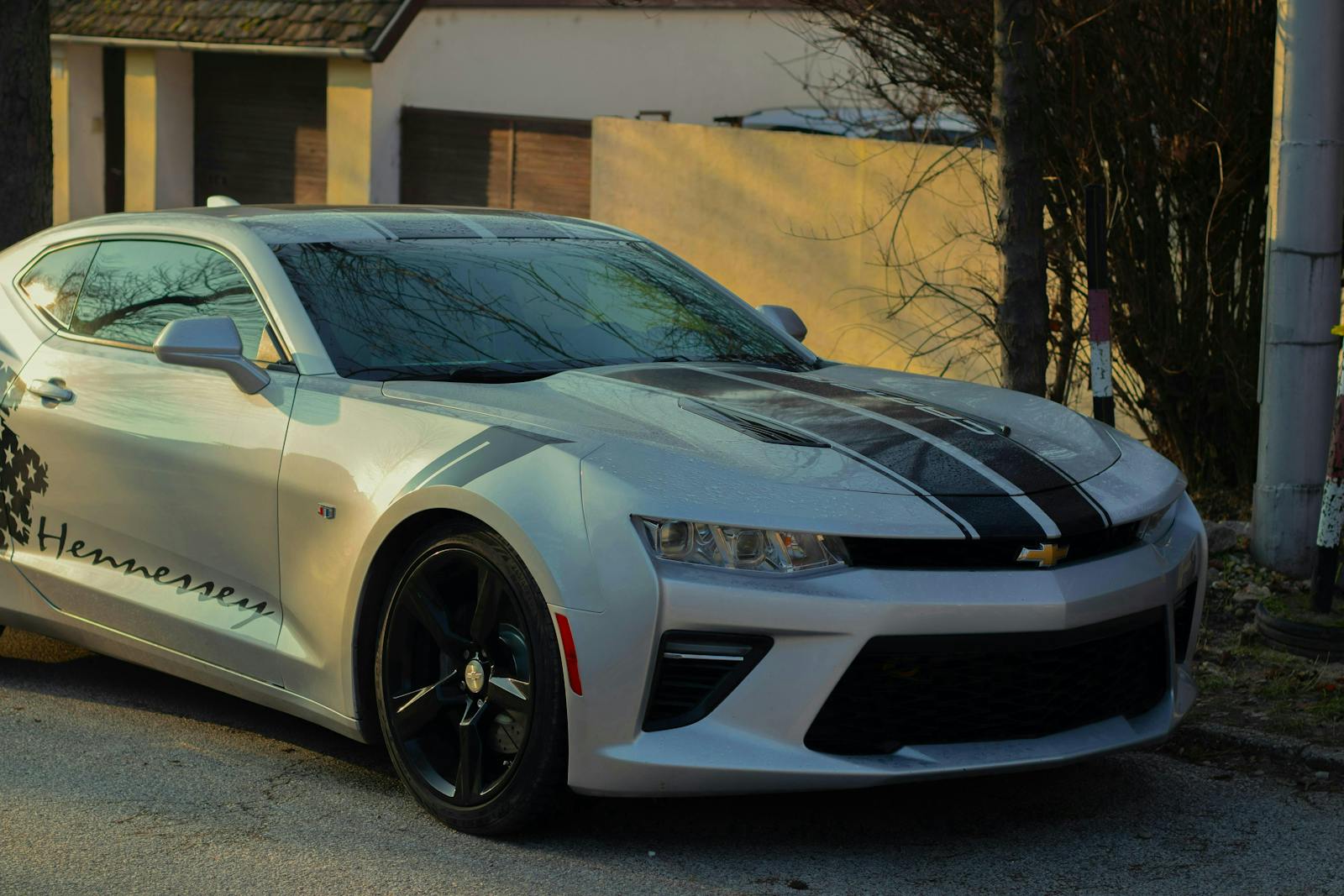
The Chevrolet Camaro has long been celebrated for its performance and styling. However, many enthusiasts believe that the sixth-generation model, particularly the V6 variant, lacked the punch that a turbocharged four-cylinder or a more powerful V8 could provide. The standard 275-horsepower engine was adequate but didn’t fully exploit the car’s sporty potential. A more robust engine option could have made the Camaro a more competitive player against rivals like the Ford Mustang and Dodge Charger.
2. Honda Accord (2018-2022)
The Honda Accord has been a staple in the midsize sedan market, known for its reliability and comfort. However, the 2018-2022 models primarily feature a 1.5-liter turbocharged engine that, while efficient, lacks the excitement that a sportier engine could have provided. A more powerful 2.0-liter turbo or even a hybrid performance variant could have further solidified the Accord’s reputation and attracted younger buyers seeking a mix of efficiency and thrill.
3. Toyota RAV4 (2019-2022)
The Toyota RAV4 has established itself as a leader in the compact SUV segment, but its engine options have caused some frustration among performance-minded consumers. The standard 2.5-liter four-cylinder engine offers decent fuel efficiency but can feel underpowered, especially when fully loaded. A more potent hybrid option or a turbocharged engine could have enhanced its capabilities, making it a more appealing choice for those who prioritize both utility and performance.
4. Subaru BRZ (2022)
The 2022 Subaru BRZ is a lightweight sports coupe known for its handling and driving dynamics. However, it is powered by a modest 2.4-liter flat-four engine that produces 228 horsepower. While adequate for many drivers, enthusiasts often express that a turbocharged version or a higher-displacement engine would have elevated the driving experience. Such an engine could have transformed the BRZ into a true performance contender, rivaling models like the Toyota Supra.
5. Ford Fusion (2013-2020)
The Ford Fusion was a popular midsize sedan that offered a comfortable ride and stylish design. However, it struggled with engine performance, particularly in its base models, which featured a 2.5-liter four-cylinder engine. This engine often felt sluggish compared to competitors. A turbocharged engine option could have improved performance metrics, potentially prolonging the Fusion’s life in a segment that has increasingly shifted towards SUVs.
6. Volkswagen Golf (2015-2021)
The Volkswagen Golf is well-regarded for its practicality and refined driving experience. Nonetheless, the standard models come equipped with a 1.4-liter turbocharged engine that, while efficient, may not satisfy driving enthusiasts. A more powerful engine option, such as a higher-output version from the Golf GTI or Golf R, could have made the base models more appealing and fun to drive, helping retain loyal customers who value performance.
7. Nissan Altima (2019-2022)
The Nissan Altima has made strides in recent years with its stylish design and innovative features. However, many critics point to its 2.5-liter four-cylinder engine as a weak point, often leading to a lackluster driving experience. A more robust engine option, such as a turbocharged variant or a hybrid that emphasizes performance, could have positioned the Altima as a more competitive option in a crowded midsize sedan market.
Conclusion
The choice of engine plays a pivotal role in a vehicle’s overall performance and consumer appeal. These seven models highlight the potential that lies in reimagining engine options to enhance driving dynamics, efficiency, and consumer satisfaction. As automotive technology continues to advance, manufacturers have the opportunity to revisit these models and consider how the right engine could change the game. Consumers should remain informed and advocate for better performance options in their favorite cars. It’s time to demand more from the vehicles we drive—after all, the right engine can make all the difference.