

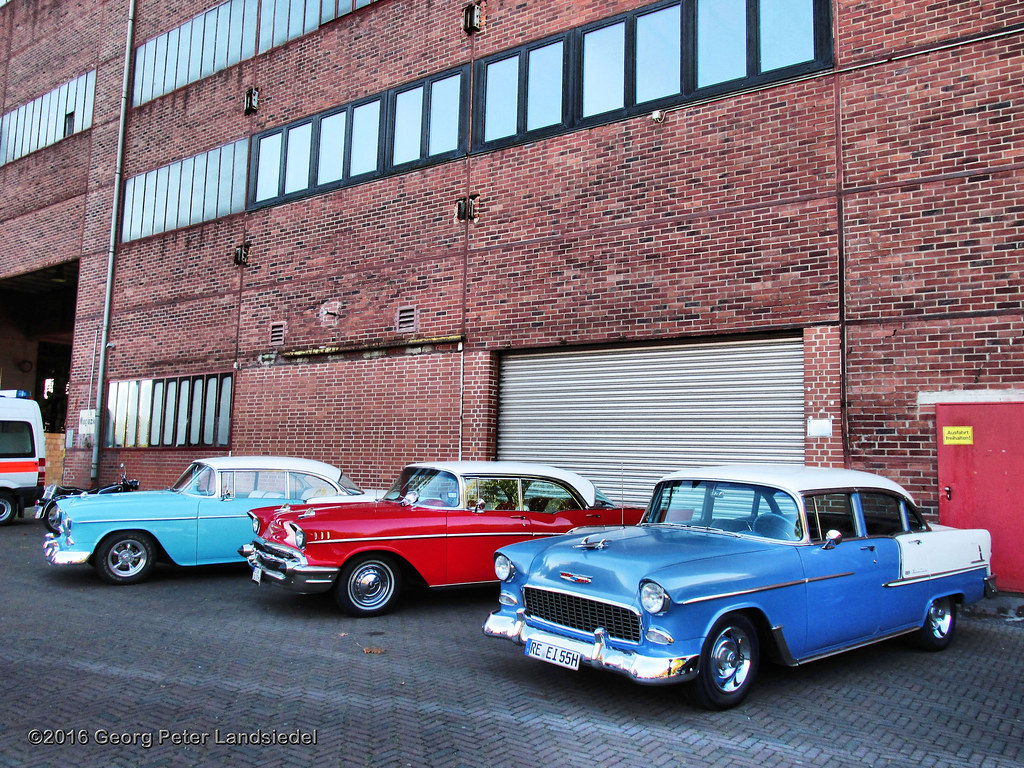
The American love affair with the automobile has been fueled by iconic models that embody freedom, innovation, and style. From the roaring 1920s to the muscle car craze of the 1970s, certain vehicles have left an indelible mark on the nation’s automotive history. These classic cars not only represent significant milestones in automotive engineering but also reflect the cultural shifts and aspirations of their respective eras.
1. Ford Model T (1908-1927)
The Ford Model T is often hailed as the car that put America on wheels. With over 15 million units produced, it revolutionized mass production in the automotive industry through assembly line techniques. Priced initially at $850, the cost dropped to around $300 by the end of its production run, making it accessible to the average American family. Its affordability and reliability transformed personal transportation, enabling millions to embrace the open road.
2. Chevrolet Bel Air (1955-1957)
The Chevrolet Bel Air is synonymous with the post-war American dream. Launched in the mid-1950s, it epitomized the era’s optimism and style, featuring chrome accents and vibrant colors. Sales peaked with over 1.5 million units sold in 1955 alone. Its design and performance helped establish Chevrolet as a key player in the automotive market and solidified the Bel Air’s status as a classic American icon.
3. Ford Mustang (1964-Present)
Introduced in 1964, the Ford Mustang quickly became a symbol of American muscle cars. With its powerful engines and sporty design, it attracted a youthful demographic eager for excitement and speed. By the end of 2022, Ford had sold over 10 million Mustangs, making it one of the best-selling sports cars in history. The Mustang’s enduring popularity has solidified its place in American automotive culture and continues to influence car design today.
4. Volkswagen Beetle (1938-2003)
The Volkswagen Beetle, originally designed in the 1930s, became an international icon of automotive design and culture. Its production spanned decades, with around 21 million units sold globally, making it one of the best-selling cars of all time. The Beetle’s unique shape and affordability resonated with consumers in post-war America, where it became a symbol of counterculture in the 1960s. Its legacy continues to inspire new generations of car enthusiasts.
5. Dodge Charger (1966-Present)
The Dodge Charger first hit the streets in 1966 and quickly gained popularity for its aggressive styling and powerful performance. Throughout the late 1960s and early 1970s, the Charger became synonymous with American muscle, particularly with the introduction of the Hemi V8 engine. Despite fluctuations in sales, the Charger remains a staple in American automotive culture, with over 500,000 units sold in the last decade alone, showcasing its lasting appeal.
6. Chevrolet Corvette (1953-Present)
Since its debut in 1953, the Chevrolet Corvette has represented the pinnacle of American sports cars. With its sleek design and high-performance capabilities, the Corvette has been a dream car for many enthusiasts. Over the years, Chevrolet has produced more than 1.5 million Corvettes, continually evolving the model to keep pace with technological advancements. The Corvette’s blend of luxury, power, and affordability has made it a lasting symbol of American automotive excellence.
7. Jeep Wrangler (1986-Present)
The Jeep Wrangler has become the face of off-road adventure and ruggedness since its introduction in 1986. With its unique design and four-wheel-drive capabilities, the Wrangler appeals to outdoor enthusiasts and casual drivers alike. In 2021 alone, Jeep sold over 200,000 Wranglers, reflecting its enduring popularity. The vehicle’s ability to traverse diverse terrains has made it a cherished symbol of freedom on the open road.
Conclusion
These seven classic cars have not only shaped the automotive landscape but have also influenced American culture and identity. Each model tells a story of innovation, aspiration, and adventure, resonating with drivers across generations. As the automotive industry evolves with electric vehicles and advanced technologies, the legacy of these classic cars serves as a reminder of the enduring love affair between Americans and their cars.
For car enthusiasts and casual drivers alike, the stories behind these iconic vehicles highlight the significance of automotive history in shaping modern transportation. As we look to the future, it’s important to appreciate the past and recognize how these classics have paved