

You’ll step into a fast-moving story about seven cars that did more than carry people; they changed how the world thought about design, performance, and everyday mobility.
You’ll discover why certain machines became benchmarks for innovation, culture, and engineering—so you can see how each model left a lasting ripple across the auto industry.
Expect a mix of affordable game-changers, performance legends, and design icons that illustrate broad shifts—from mass production and global accessibility to sports-car glamour and technological breakthroughs.
Follow along to connect each car’s influence to the bigger trends that shaped modern driving.
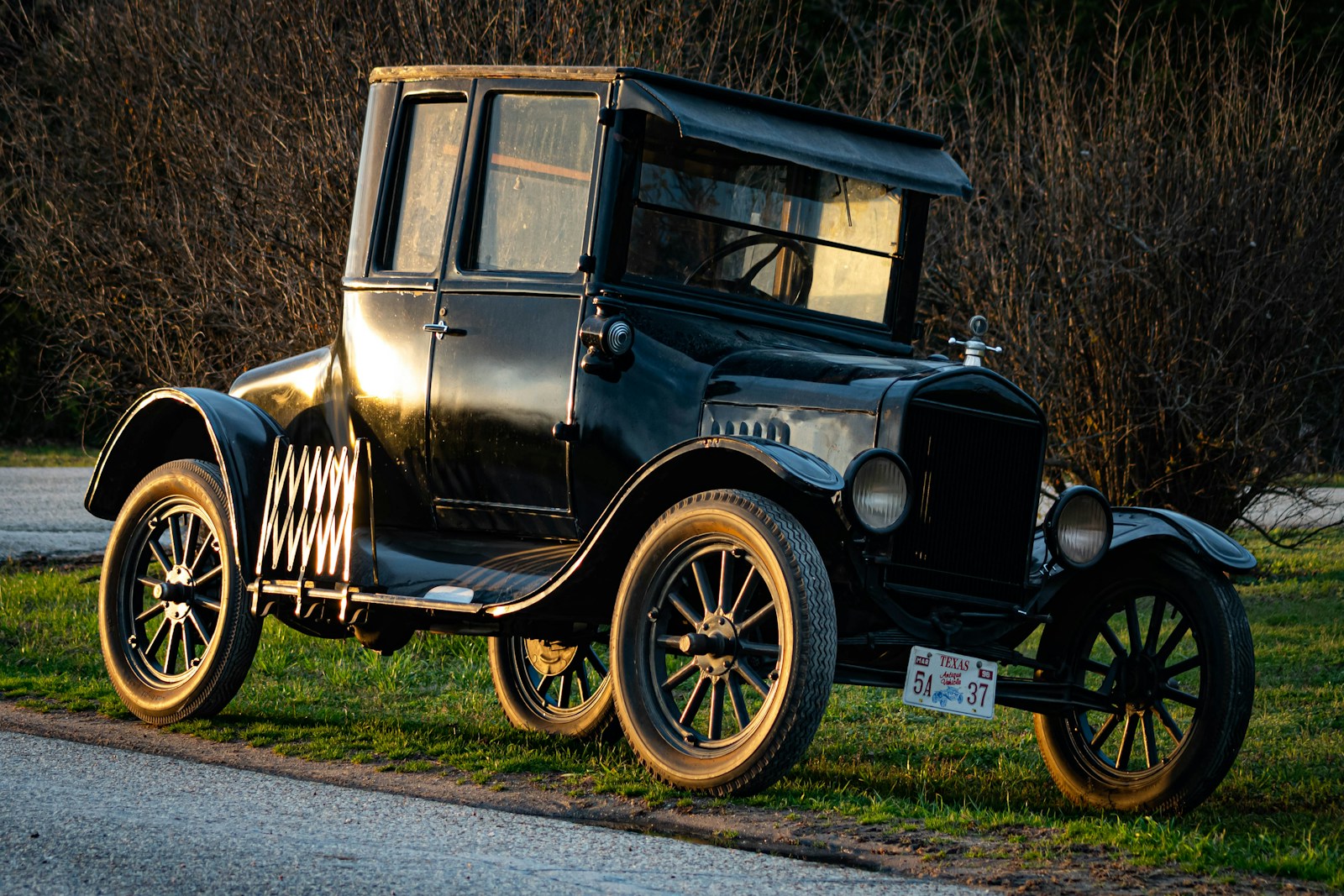
Ford Model T
You’d recognize the Model T by its simple, rugged shape and the way it put motoring within reach of everyday people.
Its assembly-line production cut costs and made cars affordable, changing how factories ran and how you traveled.
The Model T’s durable design handled rough roads, letting you go farther for work or leisure without fuss.
Explore more about its history and impact on mass mobility at this detailed history of the Ford Model T.
Chevrolet Bel Air
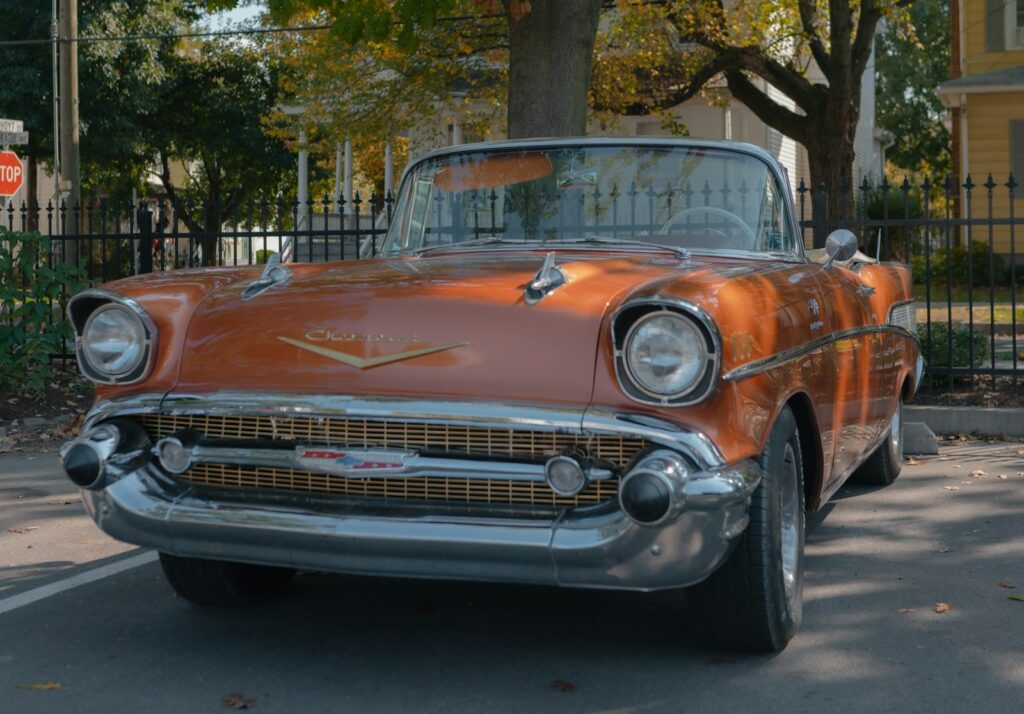
You’ll spot the Bel Air for its sweeping chrome and clean 1950s lines that shaped American taste.
Its 1955–57 “Tri-Five” models especially mixed accessible power with stylish flair, helping you want both performance and polish.
Owning one connects you to postwar design and car culture.
Read more about the model’s long run and cultural impact at the Chevrolet Bel Air – Wikipedia.
Volkswagen Beetle
You probably recognize the Beetle’s rounded shape instantly. It started as a simple, affordable car in the 1930s and became wildly popular worldwide.
You’ll notice its rear-engine layout and durable air-cooled design helped make maintenance easy. That practicality, plus its cultural presence in postwar decades, turned it into a symbol beyond transportation.
Explore its evolution to see how small design tweaks kept the Beetle relevant for generations. Read more about its history and impact at a detailed evolution guide.
Porsche 911
You recognize the 911 the moment you see its shape; it started life in 1964 and kept evolving while staying true to its rear-engine layout. The model became shorthand for accessible performance and racing success, from road homologation specials like the Carrera RS to turbocharged track winners.
You’ll find versions that changed expectations for handling and daily usability. Explore Porsche’s timeline at the official history for more detail: Porsche 911 history (https://www.porsche.com/stories/innovation/a-brief-history-of-the-porsche-911/).
Toyota Corolla
You probably know the Corolla as the everyday car that just keeps going. Since 1966, it earned a reputation for reliability, fuel efficiency, and simple engineering that made ownership easy.
Toyota tuned the Corolla to match broad needs — economy, comfort, and low running costs — which helped it sell by the millions. Read a concise history of its early generations and global impact on the Toyota site (https://www.toyota-global.com/company/history_of_toyota/75years/vehicle_lineage/car/id60003154/index.html).
Mercedes-Benz 300SL Gullwing
You’ll notice the 300SL’s gullwing doors first; they make an immediate, unforgettable impression. Introduced in 1954, it brought race-bred tech like a lightweight tubular chassis and the first production fuel-injected engine to road cars.
Owning a 300SL links you to motorsport heritage and standout design. Read about its debut and legacy at the New York show on Hagerty’s piece (https://www.hagerty.com/media/automotive-history/gullwing-turns-70-iconic-300sl-is-mercedes-benz/).
Jaguar E-Type
You’ll notice the E-Type’s long hood and sleek curves immediately; it set a new standard for sports-car design when introduced in 1961. Enzo Ferrari even called it incredibly beautiful, and its styling still turns heads today.
The car pairs striking looks with serious performance for its era, featuring a potent straight-six and later V12 options. You can find detailed history and buying advice in the Jaguar E-Type buyer’s guide.
More from Steel Horse Rides: