

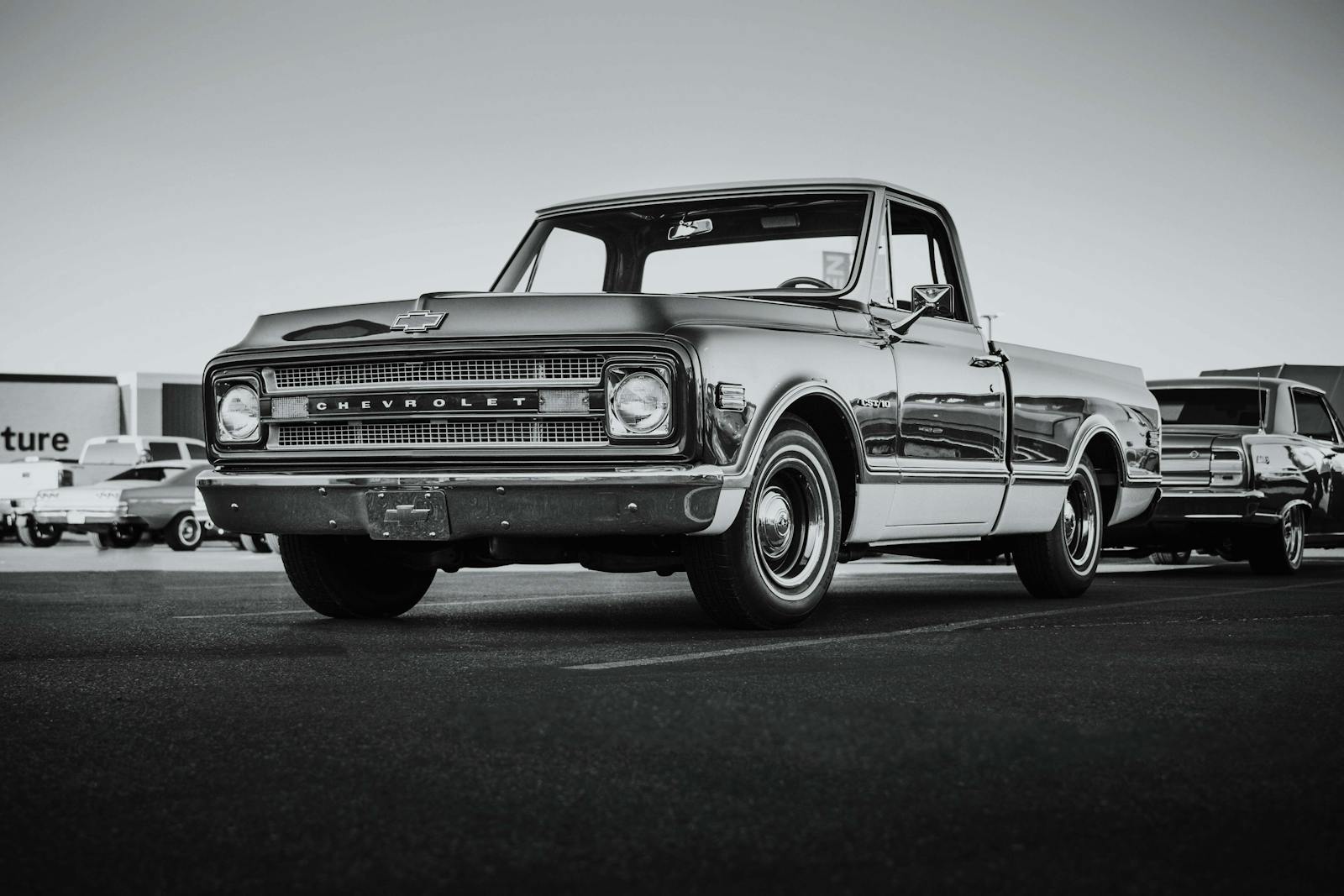
The pickup truck has long been an iconic symbol of American culture, especially during the Baby Boomer era, which spanned from the mid-1940s to the early 1960s. This period saw the emergence of several classic pickup models that not only met the practical needs of consumers but also shaped the automotive landscape. Understanding these vehicles offers insight into how the pickup truck evolved into a symbol of American independence and ruggedness.
1. Ford F-100 (1953-1983)
The Ford F-100 was a staple of the pickup truck market for decades, with its production running until 1983. Known for its durability and versatility, the F-100 appealed to both working-class individuals and families. The 1956 model, for instance, featured a more powerful V8 engine and a distinctively designed body, which contributed to its popularity. In total, Ford sold over 3 million units of the F-100 during its production run, making it one of the best-selling trucks of its time.
2. Chevrolet C/K Series (1960-1999)
Chevrolet’s C/K series, introduced in 1960, is another classic that left a significant mark on the Boomer generation. Known for its innovative styling and options, including fleetside beds and a variety of engine choices, the C/K series catered to a diverse audience. The 1967 model introduced a more modern design, which garnered praise and solidified its status as a best-seller. By the time production ended in 1999, Chevrolet had sold over 10 million units of the C/K series, showcasing its massive appeal.
3. Dodge D-Series (1960-1993)
The Dodge D-Series, produced from 1960 to 1993, was well-regarded for its ruggedness and solid construction. The 1972 model was particularly notable for its increased payload capacity and advanced suspension system. These features made it a favorite among tradespeople and outdoor enthusiasts. Throughout its production, the D-Series helped Dodge establish a loyal customer base, with sales peaking in the 1970s.
4. GMC Sierra (1962-Present)
Initially launched as the GMC 1000 in 1962, the GMC Sierra has evolved significantly over the decades. It became known for its advanced features and comfortable interiors, making it suitable for both work and leisure. The introduction of the Sierra Classic in the 1980s showcased a blend of modern technology and timeless design. Today, the Sierra continues to be a strong competitor in the pickup market, catering to a new generation while honoring its legacy.
5. Toyota Hilux (1968-Present)
Though not an American model, the Toyota Hilux has had a profound impact on pickup truck culture globally, especially during the Boomer era. First introduced in 1968, it quickly gained a reputation for reliability and off-road capability. The 1975 model notably featured a stronger chassis and improved suspension, making it a preferred choice for adventurous drivers. Its reputation for durability helped establish Toyota as a serious player in the pickup market, influencing American manufacturers to enhance their own offerings.
6. International Harvester Scout (1960-1980)
The International Harvester Scout, produced from 1960 to 1980, was notable for its unique blend of utility and style. It was among the first vehicles to combine the features of a pickup truck with those of an SUV. The Scout’s design appealed to a demographic looking for both outdoor capability and everyday practicality. Although production ended in 1980, the Scout remains a cherished classic for collectors and enthusiasts.
7. Nissan Datsun 620 (1971-1979)
The Nissan Datsun 620, produced between 1971 and 1979, was a compact pickup that gained popularity for its fuel efficiency and practicality. It was one of the first imports to challenge the American pickup market, attracting a new segment of consumers who preferred smaller, more economical vehicles. The 1977 model featured an improved engine and design that resonated well with Boomers looking for a reliable workhorse without the bulk. Its success helped pave the way for future compact trucks in the U.S. market.
Conclusion
The pickup trucks of the Boomer era have not only defined a generation but have also set the foundation for the modern automotive industry. Each model contributed unique features and capabilities that catered to the evolving needs of consumers.