

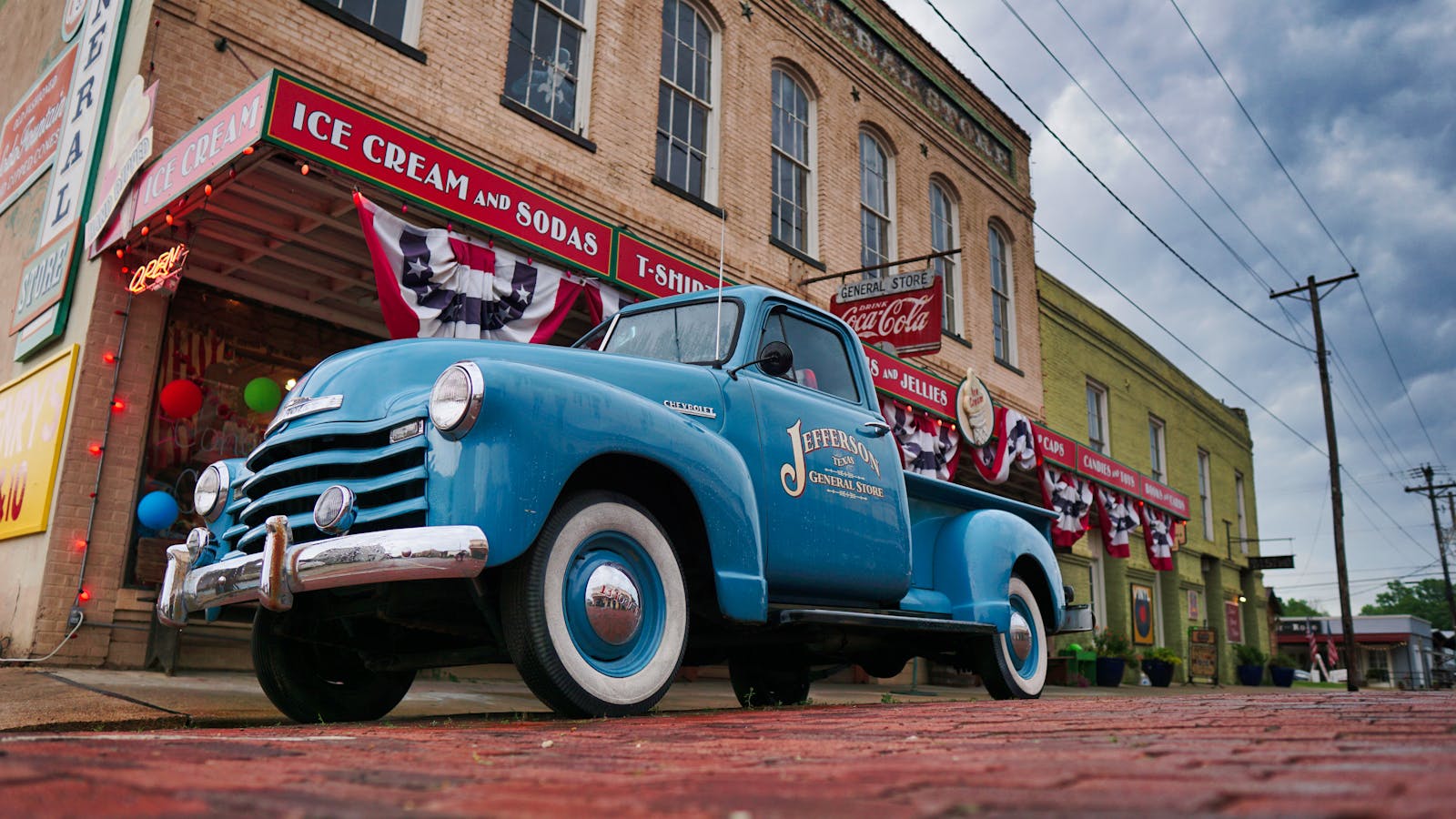
The American landscape is dotted with small towns that have relied on classic trucks for transportation, agriculture, and local businesses. From the 1940s to the 1980s, these vehicles transformed rural economies and communities, providing essential services and fostering a sense of identity. As the automotive industry evolves, the legacy of these trucks remains significant, affecting not only collectors but also the very fabric of small-town life.
1. Ford F-Series (1948–present)
The Ford F-Series, particularly the F-100 and later the F-150, has been a cornerstone of American truck culture since its introduction in 1948. With over 40 million units sold, it is one of the best-selling vehicles in the United States. The F-Series trucks have been integral to various industries, from farming to construction, making them vital to the survival and growth of small-town economies.
2. Chevrolet C/K Series (1960–1998)
Chevrolet’s C/K series trucks played a crucial role in shaping small-town America from the 1960s through the late 1990s. These trucks were known for their durability and versatility, making them a favorite among farmers and tradespeople alike. With millions sold during its production run, the C/K series helped establish Chevy as a leader in the pickup market, particularly in rural areas where reliability is paramount.
3. Dodge Ram (1981–present)
The Dodge Ram series was introduced in 1981 and quickly became a symbol of American toughness and capability. The Ram’s innovative design and powerful engine options appealed to small-town buyers who needed a workhorse for demanding tasks. By 2021, the Ram 1500 was the third best-selling vehicle in the U.S., showcasing its ongoing popularity and importance in local economies.
4. GMC Sierra (1962–present)
Launched as a sibling to the Chevrolet C/K series, the GMC Sierra has built a reputation for being a reliable and stylish truck option. With consistent sales in the hundreds of thousands annually, the Sierra has become a staple for businesses and families in small towns. Its combination of utility and comfort has made it a favored choice for those who rely on their trucks for both work and leisure.
5. International Harvester Scout (1960–1980)
The International Harvester Scout, produced from 1960 to 1980, was one of the first true SUVs and played a significant role in rural America. Designed for both off-road capabilities and everyday use, the Scout appealed to farmers and outdoor enthusiasts. With only about 500,000 units produced, the Scout remains a beloved classic, representing the adventurous spirit of small-town life.
6. Toyota Tacoma (1995–present)
Since its introduction in 1995, the Toyota Tacoma has carved out a niche in the American market, particularly among those seeking a compact truck. Its reputation for reliability and fuel efficiency has attracted many small-town buyers. As of 2022, the Tacoma was one of the top-selling compact trucks in the U.S., proving that Japanese automakers can also significantly impact small-town America.
7. Nissan Frontier (1997–present)
The Nissan Frontier, launched in 1997, has been a key player in the compact truck market. With a reputation for affordability and durability, the Frontier has become a go-to choice for small-town residents. Sales data show that Nissan has sold over 1.5 million Frontiers in the U.S., highlighting its role in supporting local economies and lifestyles.
Conclusion: The Enduring Legacy of Classic Trucks
Classic trucks have not only shaped the automotive landscape but also the social and economic fabric of small towns across America. These vehicles have made daily life manageable and have been vital in driving local economies. As the automotive industry shifts towards electric and hybrid models, the impact of these classic trucks remains relevant, reminding us of their place in America’s heart and history.
For enthusiasts, collectors, and those who value their community roots, the legacy of these classic trucks continues to resonate. As we move forward, it is crucial to recognize and preserve the history of these vehicles, ensuring they remain a part of small-town America for generations to come. Take the time to explore local events, join truck clubs, or visit automotive museums to celebrate the enduring legacy of classic trucks in your community.