

While the collectible car market can yield incredible returns, some vehicles that were once thought of as prized possessions have plummeted in value, leaving their owners with little more than a depreciating asset. This decline affects collectors, investors, and enthusiasts who may have invested their savings into these vehicles, believing they would appreciate over time. Understanding which collectible cars to avoid can save individuals from making costly mistakes.
1. 1980s Chevrolet Camaro
Once heralded as an American muscle icon, the Chevrolet Camaro from the 1980s has seen its value drop significantly. While pristine models from the late 1960s and early 1970s can fetch $100,000 or more, their 1980s counterparts now struggle to sell for more than $5,000. Factors contributing to this decline include a lack of performance compared to earlier models and the oversupply of these cars, which flooded the market during their production years.
2. 1970s Ford Pinto
Infamous for its safety issues, the Ford Pinto was produced in the 1970s and has since become a cautionary tale in automotive history. While some vintage cars appreciate due to nostalgia or rarity, the Pinto’s legacy is tarnished by its safety controversies, resulting in its value plummeting to around $3,000 on average today. Collectors typically avoid this model, causing its once-promising collectible status to fade into obscurity.
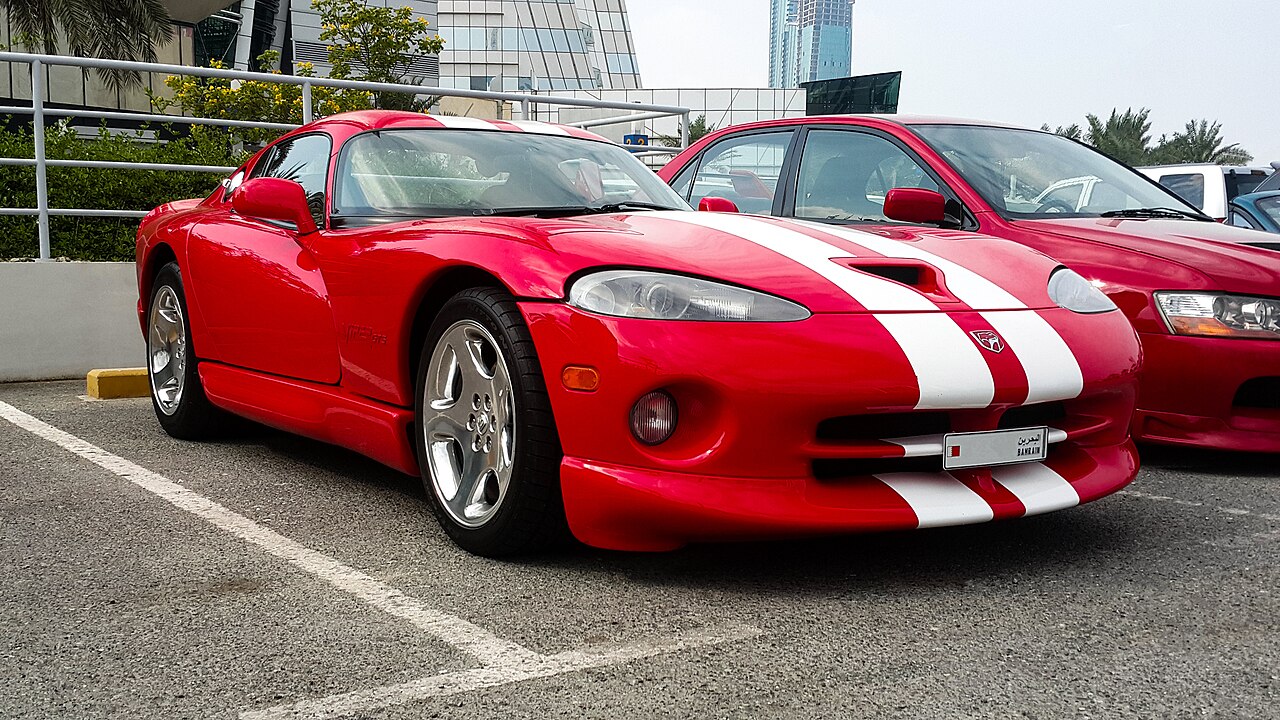
3. 1990s Dodge Viper
Initially launched with much fanfare in 1992, the Dodge Viper was celebrated for its raw power and aggressive design. However, as the market has evolved, so too has the demand for more practical performance cars. Today, many 1990s Viper models struggle to reach values above $30,000, down significantly from their original sticker prices that often exceeded $60,000. The decline is attributed to the high insurance costs and impracticality for everyday use.
4. 2000s Pontiac Aztek
Once dubbed one of the ugliest cars ever made, the Pontiac Aztek has become a symbol of failed automotive design. While some enthusiasts appreciate its quirky style, it remains largely unrecognized in the collectible market. Currently, prices for good-condition Azteks hover around $5,000–$10,000, a stark contrast to its $25,000 price tag when new. The model’s lack of desirability and limited appeal has rendered it virtually worthless in collector circles.
5. 1980s Volkswagen Rabbit
The Volkswagen Rabbit was a popular compact car in the 1980s, known for its efficiency and practicality. However, its status as a collectible has not materialized as anticipated. Today, well-maintained models typically sell for less than $8,000, significantly lower than the $12,000 to $15,000 that collectors hoped to achieve. The abundance of these cars and the lack of significant historical importance have contributed to their diminished value.
6. 2000s Chrysler PT Cruiser
Upon its release, the Chrysler PT Cruiser was praised for its retro design and practicality. Collectors initially saw potential in this unique vehicle, but over the years, its appeal has waned. Current market values for PT Cruisers range between $3,000 and $7,000, far less than the $20,000 it sold for new. The model’s association with rental fleets and commonality has led to its rapid devaluation among collectors.
7. 1990s Nissan 300ZX
Despite its reputation as a performance sports car, the Nissan 300ZX from the 1990s has not proven to be a wise investment for collectors. Originally priced around $30,000, many owners now find their cars selling for under $10,000. Factors contributing to this decline include the high cost of maintenance and the availability of more modern, efficient alternatives that overshadow the 300ZX’s appeal.
Conclusion
The world of collectible cars is fraught with risks, and not every model will appreciate over time. The examples listed above highlight that even once-promising vehicles can become virtually worthless due to factors like oversupply, poor design, and safety issues. As the market continues to evolve, potential collectors must conduct thorough research and consider market trends before investing. Staying informed can prevent costly mistakes and help enthusiasts make more strategic decisions in their automotive investments.