

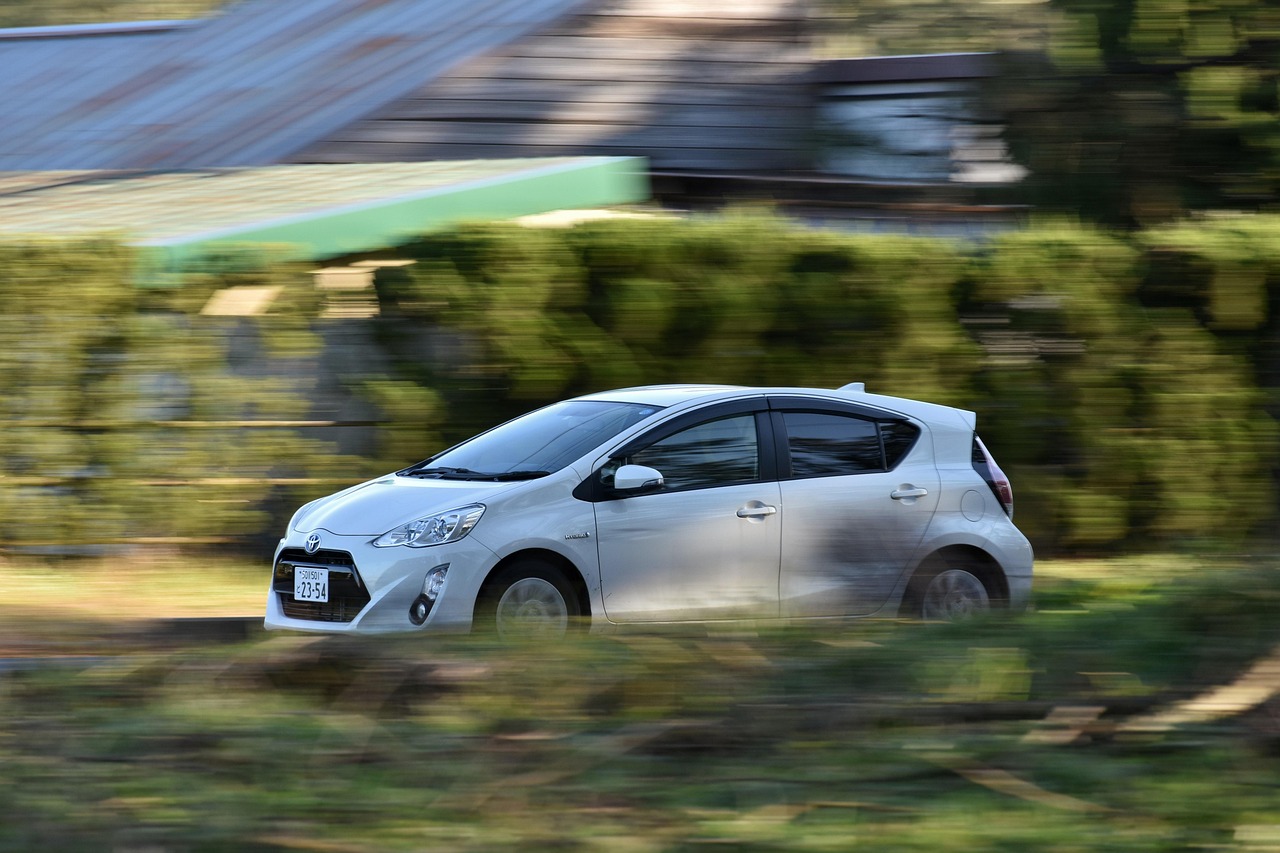
Despite their reputation for being eco-friendly, hybrid cars come with several hidden drawbacks that potential buyers must consider. While they promise better fuel efficiency and reduced emissions, the reality of ownership can reveal issues that may affect both the environment and your wallet. Understanding these “dirty truths” can help consumers make informed decisions before investing in a hybrid vehicle.
1. Battery Disposal Concerns
Hybrid cars rely on large battery packs, typically lithium-ion, which can pose significant environmental challenges at the end of their life cycle. In 2021, it was reported that the global lithium-ion battery market is expected to grow to $129 billion by 2027, highlighting the increasing reliance on these components. However, disposal of these batteries can lead to toxic waste if not recycled properly, polluting landfills and harming ecosystems.
2. Higher Repair Costs
While hybrids may save money on fuel, they can incur higher repair costs over time. According to a 2022 report from RepairPal, the average annual repair cost for a hybrid vehicle is approximately $400, compared to $300 for a conventional car. This disparity largely stems from the complexity of hybrid systems and the need for specialized technicians, which can lead to sticker shock when maintenance is due.
3. Limited Range in Electric Mode
Many hybrid models offer a limited electric-only range, often between 20 to 50 miles, depending on driving conditions and battery capacity. For instance, the 2021 Toyota Prius Prime can travel up to 25 miles on electric power alone. After the battery is depleted, drivers must rely on the gasoline engine, which diminishes the fuel savings and environmental benefits that hybrids are marketed for.
4. Fuel Economy Isn’t Always Better
While hybrids are designed to optimize fuel efficiency, real-world performance can differ from manufacturers’ claims. According to the EPA, the 2022 Honda Accord Hybrid achieves an estimated 48 MPG combined, but factors such as driving style, terrain, and weather conditions can drastically affect actual mileage. In many cases, consumers may find that their fuel economy does not meet expectations, reducing the financial advantage of owning a hybrid.
5. Manufacturing Emissions
The production of hybrid vehicles can generate significant greenhouse gas emissions, primarily during the manufacturing of batteries. A study published in 2020 by the International Council on Clean Transportation found that the production of electric and hybrid vehicles can produce 30-50% more emissions than traditional gasoline vehicles over their lifecycle. This fact raises questions about the overall environmental benefits of hybrids, especially for environmentally conscious consumers.
6. Limited Availability of Parts
As hybrid technology evolves, certain parts may become obsolete or harder to find. For example, older hybrid models, like the 2007 Toyota Camry Hybrid, may face challenges as manufacturers phase out older parts in favor of newer technologies. This scarcity can lead to longer repair times and increased costs, potentially leaving drivers stranded or facing unexpected expenses.
7. Misleading Marketing Claims
Many hybrid vehicles are marketed with aggressive fuel economy estimates that may not reflect real-world driving conditions. A study from the Consumer Reports in 2021 found that many hybrids fell short of their EPA ratings when tested in real-world scenarios. This discrepancy can lead to consumer frustration and skepticism, as drivers may feel misled about the actual performance and efficiency of their vehicles.
Conclusion: Make Informed Choices
While hybrid cars can be an attractive option for those looking to reduce fuel consumption and emissions, these seven truths highlight critical considerations that potential buyers should weigh carefully. Understanding the environmental impact, maintenance costs, and real-world performance can significantly influence your investment decision. Before purchasing a hybrid, consumers should conduct thorough research and consider alternatives that may better suit their needs. With the market for hybrid vehicles continuously evolving, staying informed is crucial for making the best choice.
As you weigh your options, don’t overlook the importance of asking questions and seeking out unbiased information. The automotive landscape is changing rapidly, and making an informed choice now can save you time, money, and headaches down the road. Act now to educate yourself about hybrid cars and their true impact on your wallet and the environment.