
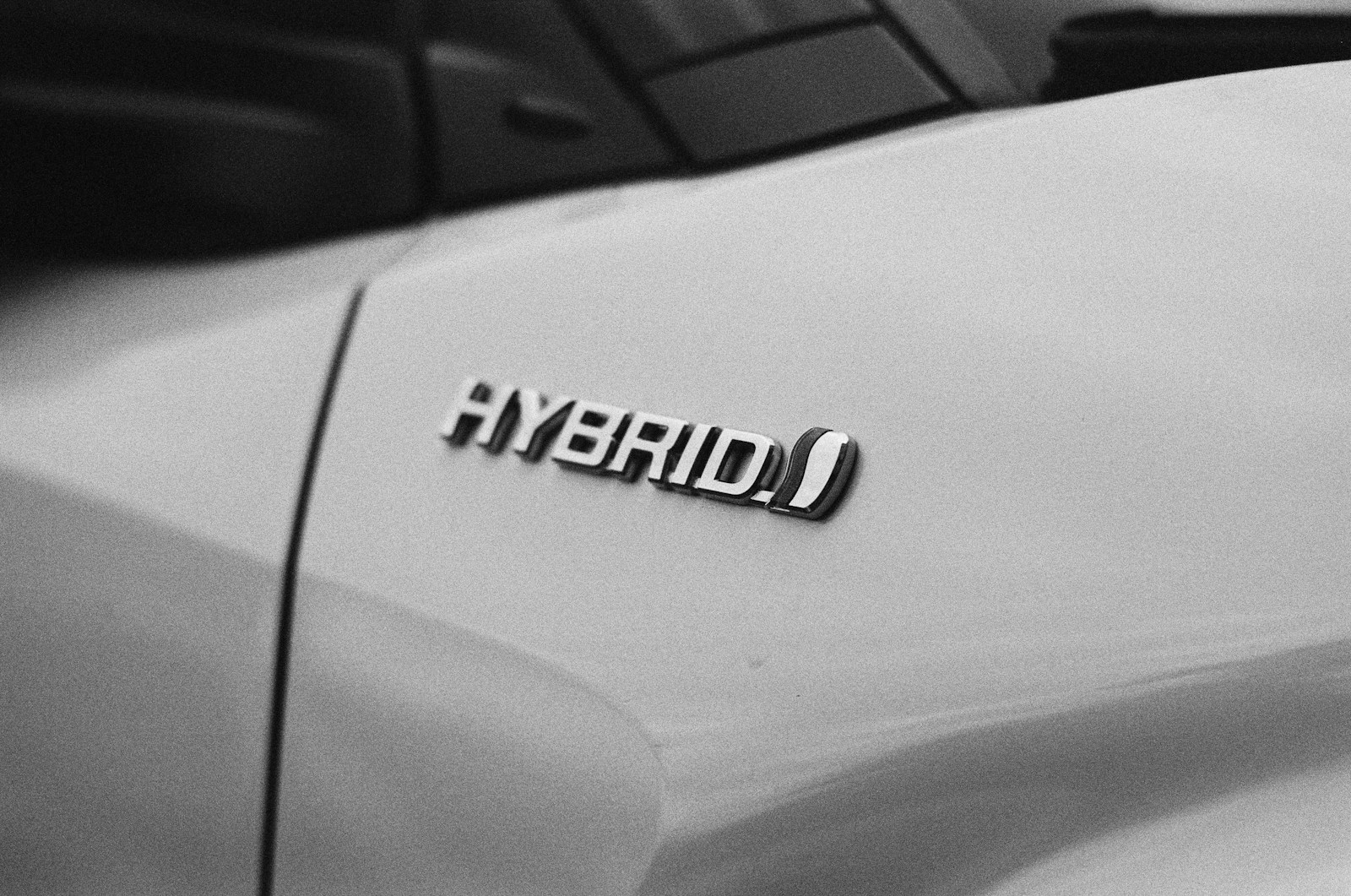

You’re weighing the hybrid option and want the facts, not the sales pitch. This article gives you seven practical, sometimes uncomfortable truths about hybrid cars so you can decide if the trade-offs match your driving needs and budget.
You’ll get clear, no-nonsense coverage of costs, maintenance, battery issues, real-world fuel savings, and how hybrids perform on highways and in city traffic. Expect straightforward guidance that helps you judge whether a hybrid actually improves your daily drive.

Higher upfront cost compared to gas-only cars
You’ll usually pay more for a hybrid than a comparable gas-only model because of the extra battery and electric drive components.
That higher sticker price can be offset by fuel savings and tax incentives over years, but those gains depend on your driving habits and how long you keep the car.
If you trade vehicles every few years, you may never recoup the premium. Consider total ownership time before assuming hybrids automatically save you money.
Limited electric-only driving range
You’ll often get only short electric-only distances—typically a few dozen miles—before the gasoline engine kicks in.
That makes hybrids best for short commutes or city driving rather than long highway trips on battery power alone.
Your driving style and climate affect that range significantly.
Using heat or fast acceleration reduces electric range, and charging opportunities vary by model.
Complex and costly maintenance
You may face higher service bills because hybrids combine an internal combustion engine with electric systems. Specialized diagnostics and repairs often require trained technicians and dealer-grade equipment.
Battery packs can be expensive to replace, though failures are rare and warranties often help. Routine items like brakes and oil still need attention, and finding a knowledgeable mechanic can save money and time.
Battery replacement expenses
You may face significant costs if your hybrid battery fails; typical replacements range widely depending on make and model.
Expect cheaper options around a few thousand dollars for mainstream models, while luxury hybrids can cost much more.
Warranties often cover many years, so check your terms before budgeting for a replacement.
Regular maintenance and gentle driving can extend battery life and reduce the chance of an early, costly swap.
Environmental impact of battery production
You should know battery manufacturing pulls large amounts of raw materials like lithium, cobalt, and nickel from mines that often harm local ecosystems. Extraction can contaminate water and soil, and it uses significant energy.
Recycling rates remain limited, so many batteries end up in waste streams that risk releasing toxic metals. Improving recycling and stricter sourcing standards can reduce these harms, but those solutions are still scaling.
Fuel savings depend on driving habits
Your driving style has a huge impact on a hybrid’s real-world fuel economy. Gentle acceleration and steady cruising let the hybrid system use electric assist and regenerative braking effectively.
Short trips with lots of stop-and-go traffic can help hybrids shine, but aggressive speeding or heavy loads will erase many expected savings. Monitor your habits and you’ll see the difference in fuel bills.
Not always the best for highway driving
If most of your miles are on highways, a hybrid’s advantage shrinks. At steady speeds the gasoline engine often runs continuously, reducing the benefit of electric assist.
Highway trips can mean higher fuel use than city driving for hybrids, so you might not recoup the higher purchase cost. Consider a conventional fuel-efficient or diesel model if long-distance cruising is your norm.
More from Steel Horse Rides: