

When it comes to automotive repairs, some engines simply reach a point of no return. Mechanics often encounter engines that, due to various factors, are deemed beyond saving. Here are seven engines that professionals frequently advise against trying to salvage.
1. 3.0L V6 from Ford
This engine has a notorious reputation for developing head gasket issues, especially in the early 2000s models. Overheating can lead to catastrophic failures, leaving the engine unable to hold compression.
Even if repairs are attempted, the recurring nature of these problems means many mechanics recommend replacement rather than wasting time on a failing engine.
2. 2.7L V6 from Chrysler
The 2.7L engine is infamous for its sludge problems, which can starve the engine of oil and lead to premature wear. This issue is often exacerbated by neglecting oil changes.
Once sludge builds up, cleaning is usually insufficient, and the engine may seize, necessitating a costly replacement rather than an overhaul.
3. 5.4L V8 from Ford
This engine has faced criticism for its timing chain and spark plug issues. The spark plugs can become stuck, leading to broken plugs during removal and significant repair complications.
Due to these ongoing issues, many mechanics recommend that if you experience these problems early on, it might be best to cut your losses and look for a replacement engine.
4. 1.8L Turbo from Volkswagen
The 1.8L turbo engine often suffers from oil consumption problems and turbocharger failures. These issues can lead to engine knocking and loss of power.
Mechanics frequently find that even with extensive repairs, the engine continues to suffer from performance issues, making it a strong candidate for replacement rather than repair.
5. 4.0L Inline-Six from Jeep
This engine is celebrated for its durability, but when it fails, it often does so dramatically. Common issues include cracked cylinder heads and severe oil leaks.
Repairing these problems can be cost-prohibitive, leading many mechanics to conclude that a rebuild or replacement is the more practical solution.
6. 2.0L EcoBoost from Ford
While relatively new, the 2.0L EcoBoost engine has been criticized for its carbon buildup on intake valves. This problem can lead to significant loss of power and efficiency.
Mechanics often find that after a few attempts at cleaning, the engine still underperforms, making it more sensible to replace it than to keep pouring money into repairs.
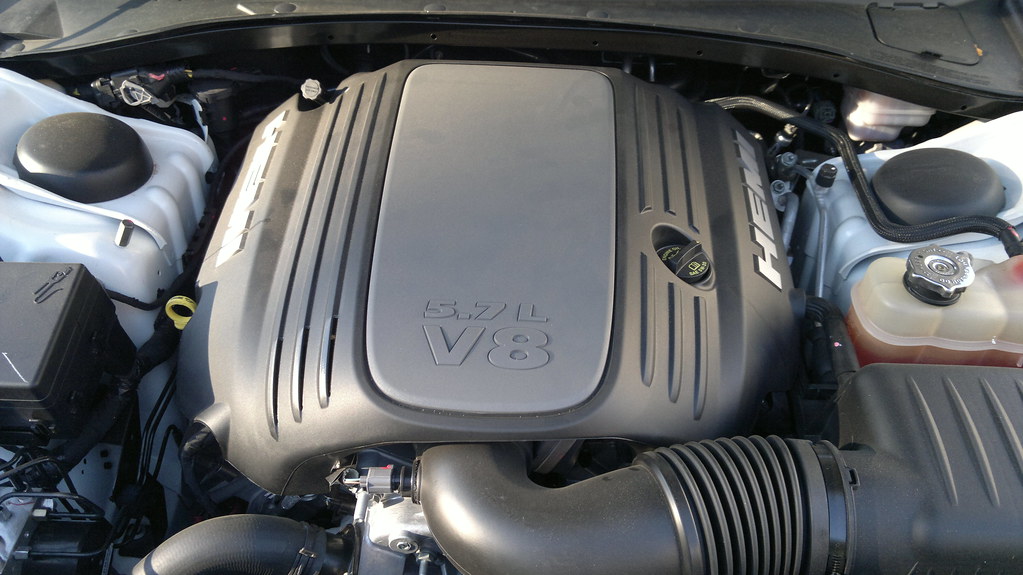
7. 5.7L HEMI from Chrysler
The HEMI engines are powerful but can fall victim to valve seat issues and oil burning. Once these problems arise, they can escalate quickly, leading to a total engine failure.
Given the cost of repairs and the likelihood of recurring issues, many mechanics recommend that owners consider a new or remanufactured engine instead of attempting to salvage a failing HEMI.
In conclusion, while many engines can be rebuilt and restored to running condition, these seven often present challenges that make repair impractical. When facing such situations, it’s crucial to weigh the costs of repair against the benefits of replacement.