

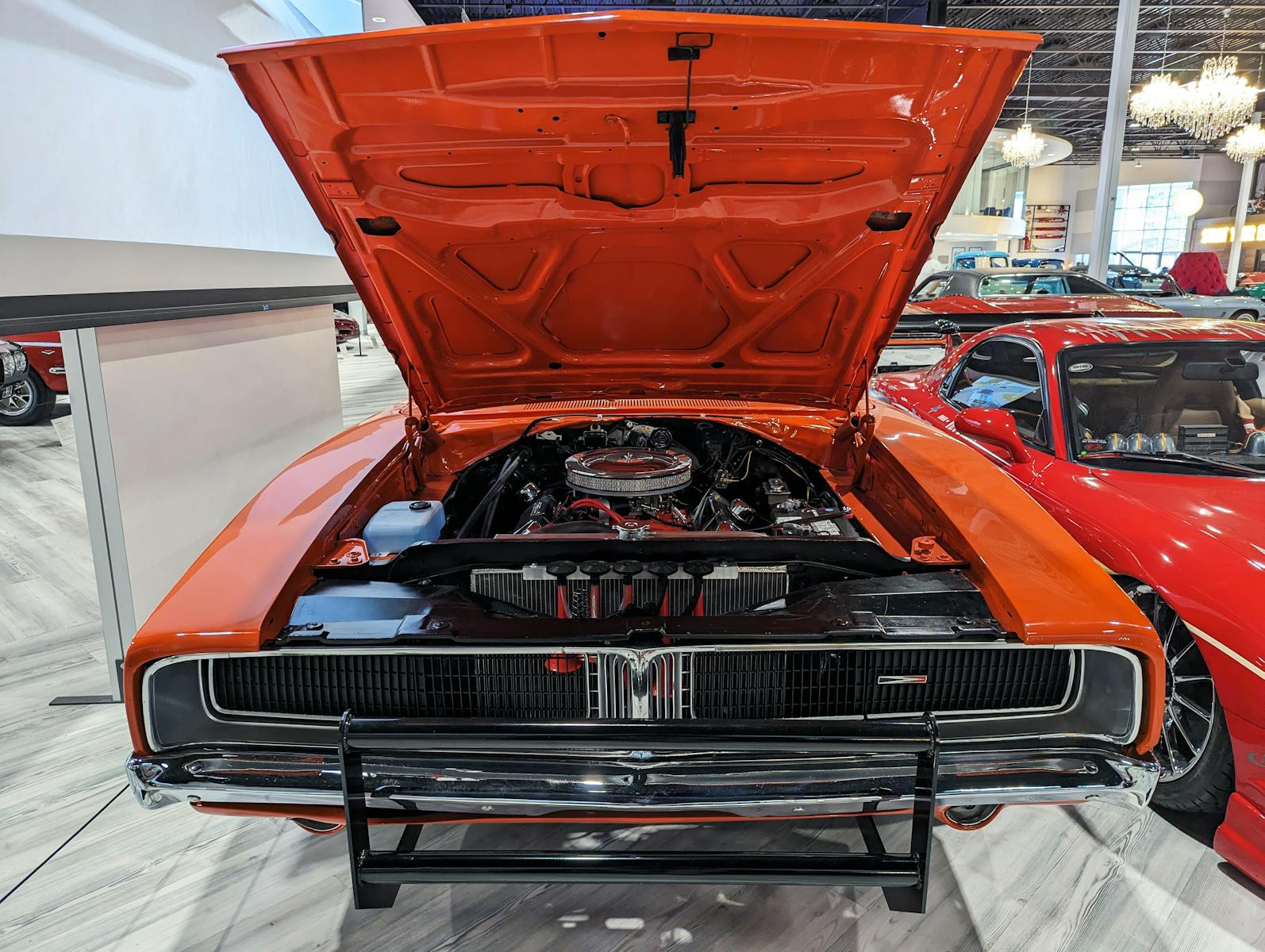
Car enthusiasts and everyday drivers alike continue to debate the merits and drawbacks of certain engines in online forums, with seven specific models generating significant discussion. These discussions often revolve around performance, reliability, and the overall driving experience, affecting both car buyers and those interested in automotive technology. The debates are fueled by personal experiences, technical specifications, and brand loyalty, making it essential for potential buyers to understand these contentious viewpoints.
1. Ford 5.0L Coyote V8
Introduced in the 2011 Ford Mustang GT, the 5.0L Coyote V8 engine has polarized opinions among enthusiasts. With an output of 450 horsepower and 410 lb-ft of torque, it is praised for its performance and sound. However, some argue that it lacks the low-end torque found in its competitors, such as the Chevrolet LS engines, making for an ongoing debate about its suitability for different driving styles.
2. Chevrolet LS Series
The Chevrolet LS engine family, particularly the LS3 found in the 2008–2015 Corvette, is often hailed as one of the best V8 engines ever produced. With a robust 430 horsepower and an exceptional aftermarket support system, this engine has become the go-to choice for many performance builds. Critics, however, argue that its ubiquity has led to a lack of innovation in engine design among Chevy enthusiasts, leading to spirited discussions on forums about the future of American V8s.
3. Subaru EJ20 Turbocharged Flat-Four
Subaru’s EJ20 engine, particularly in the WRX models from 2002 onward, has developed a cult following due to its unique flat-four design and turbocharging. Producing 227 horsepower and 217 lb-ft of torque, it offers a distinct driving experience, especially in terms of weight distribution and handling. Detractors highlight its susceptibility to head gasket failures, sparking debates about long-term reliability versus driving pleasure.
4. Honda K20 Inline-Four
The Honda K20 engine, found in models such as the 2002–2006 Civic Si, is frequently discussed in performance circles. Generating up to 200 horsepower, enthusiasts appreciate its high-revving nature and tuning potential. However, some argue that its power delivery can feel peaky compared to turbocharged competitors, which leads to ongoing discussions about the best modifications for optimal performance.
5. Nissan SR20DET
The Nissan SR20DET, especially popular in the Nissan Silvia models, has been a topic of debate since its introduction in the early 1990s. Known for its tunability and strong aftermarket support, this turbocharged inline-four engine produces up to 280 horsepower in its most powerful variants. Critics point to its age and the availability of more modern alternatives, sparking continuous discussions about whether it’s still a viable option for enthusiasts.
6. BMW N54 Inline-Six
The BMW N54 engine, found in models like the 335i (2007–2010), has generated a following due to its combination of performance and tuning potential. Producing 300 horsepower and 300 lb-ft of torque, it is known for its smooth power delivery and potential for significant upgrades. However, reliability concerns, particularly related to high-pressure fuel pumps and turbos, have led to debates about its long-term value.
7. Volkswagen 1.8T Inline-Four
The Volkswagen 1.8T engine, featured in various models since the late 1990s, has a reputation for being both versatile and fun to drive. With power outputs ranging from 150 to 180 horsepower, it is often praised for its balance of efficiency and performance. However, ongoing discussions about oil sludge issues and turbocharger reliability continue to divide opinions among users, affecting its perception in the community.
Conclusion: Engaging in the Debate
The discussions surrounding these seven engines highlight the passion and diverse experiences of automotive enthusiasts. From performance metrics to reliability concerns, these debates are not just academic; they have real implications for car buyers and enthusiasts alike. With each engine representing a different aspect of automotive engineering, understanding these debates can aid in making informed decisions when purchasing a vehicle.
Car enthusiasts and potential buyers should engage in these conversations, as they can provide valuable insights into the strengths and weaknesses of various engines. As technology continues to evolve, staying informed about these ongoing debates can help consumers choose the right vehicle to meet their needs. Join the conversation today on your favorite automotive forum or social media platform!