

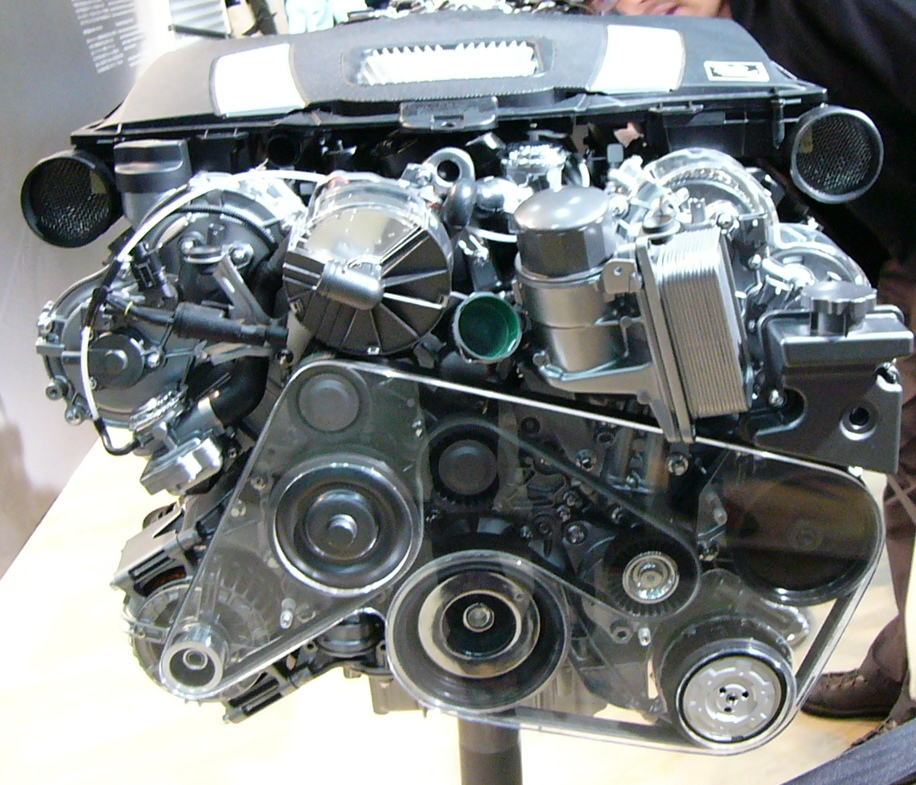
When it comes to engines, not all are created equal. Some may shine on the dyno but falter in the real world, leading to frustration for drivers and hefty repair bills. Here are seven engines that have garnered a reputation for failing hard when subjected to everyday driving conditions.
1. Ford 6.0L Power Stroke
The Ford 6.0L Power Stroke diesel engine is notorious for its reliability issues. Common problems include head gasket failures and oil cooler clogs, which can lead to overheating and costly repairs. Many owners have found themselves on the wrong side of warranty claims due to these persistent issues.
Additionally, the engine’s fuel injection system can be problematic, often requiring expensive replacements or repairs. These issues make the 6.0L Power Stroke a less-than-desirable choice for those seeking a dependable workhorse.
2. Volkswagen 2.0T FSI
Volkswagen’s 2.0T FSI engine has been praised for its performance, but it comes with a significant downside. This engine is prone to carbon buildup on the intake valves, especially in models equipped with a direct fuel injection system. Over time, this can lead to a loss of power and increased fuel consumption.
Moreover, the turbocharger can fail prematurely, leading to costly repairs. While the engine may provide an exhilarating drive, the long-term reliability leaves much to be desired.
3. Chrysler 2.7L V6
The Chrysler 2.7L V6 is another engine that has experienced its fair share of reliability concerns. Known for its sludge buildup, this engine can suffer from oil starvation, leading to severe internal damage. Many owners have reported premature engine failures as a result of this issue.
Additionally, the timing chain can stretch or break, often resulting in catastrophic engine failure. For those considering a car with this engine, it’s crucial to be aware of these potential pitfalls.
4. BMW N54
The N54 engine, found in several BMW models, is celebrated for its performance but criticized for its reliability. Common problems include high-pressure fuel pump failures and turbocharger issues. These defects can lead to significant power loss and expensive repairs.
Owners have also reported issues with fuel injectors that tend to fail, leading to rough idling and misfires. While the N54 offers a thrilling driving experience, its reliability in everyday situations can be hit or miss.
5. GM 3.6L V6 (LLT)
General Motors’ 3.6L V6 engine, particularly the LLT version, has been a source of frustration for many drivers. Known for its oil consumption problems, this engine can lead to low oil levels and, in some cases, severe engine damage if not monitored carefully.
Additionally, timing chain issues are common, often resulting in costly repairs. While the engine can deliver decent power, its real-world reliability is questionable at best, making it a gamble for potential buyers.
6. Subaru 2.5L Boxer Engine
The Subaru 2.5L Boxer engine has its fans, but it also has its fair share of issues. One of the biggest problems is head gasket failure, which can lead to coolant leaks and overheating. This issue is particularly common in older models that have seen significant mileage.
Furthermore, the engine can suffer from oil consumption problems, with some owners reporting the need to add oil between changes. While the Boxer design offers a unique driving experience, the potential for failure under real-world conditions cannot be ignored.
7. Mercedes-Benz M272
The M272 engine, found in various Mercedes-Benz models, has been criticized for its timing chain issues. Owners have reported that the chain can stretch over time, leading to a potential engine failure if not addressed promptly. This issue can be a costly fix and often requires extensive labor to repair.
Additionally, oil leaks are a common complaint among M272 owners, which can lead to further complications if not resolved. While the engine is designed for luxury performance, its reliability in everyday driving situations is often called into question.
When choosing a vehicle, understanding the potential pitfalls of these engines can save you from a lot of headaches down the road. Always do your research and consider long-term reliability over initial performance to ensure a smoother driving experience.