
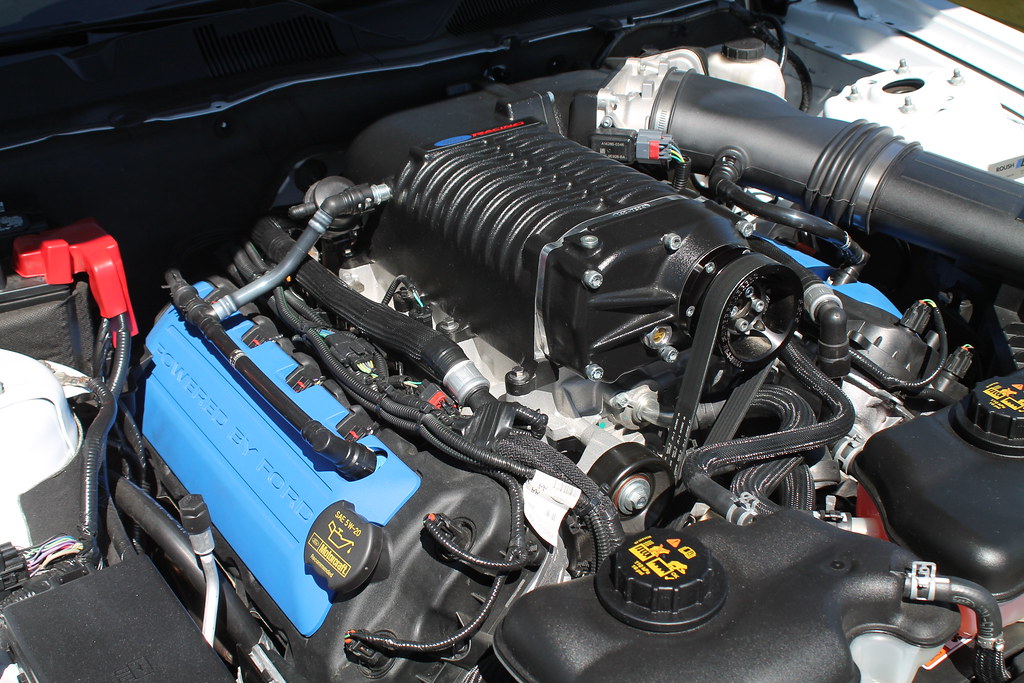


When it comes to cars, the engine is the heart of the vehicle. Unfortunately, not all engines are created equal, and some have gained a notorious reputation for their short lifespans. Here’s a look at seven engines that have caused more headaches than smiles for their owners.
1. Ford 4.6L SOHC V8
The Ford 4.6L V8 engine, particularly in its earlier iterations, has been known for developing serious issues, especially related to the timing chain and tensioners. Many owners reported that these components could wear out prematurely, leading to catastrophic failure if not addressed in time. This often resulted in costly repairs or complete engine replacements.
Moreover, the engine’s inherent design flaws contributed to oil leaks and overheating problems, further diminishing its lifespan. While some later versions saw improvements, the damage to its reputation had already been done, leaving many drivers wary.
2. Chevrolet 3.4L V6
The Chevrolet 3.4L V6 engine, used in a variety of GM vehicles, is infamous for its head gasket issues. Many drivers experienced coolant leaks that often escalated into serious engine problems. This not only affected performance but also led to significant repair bills.
In addition to the head gasket issues, the engine’s design was prone to oil consumption problems, creating a perfect storm for early engine failure. This combination of flaws made it a less-than-reliable choice for many, tarnishing its legacy in the automotive world.
3. Volkswagen 2.0T FSI
The Volkswagen 2.0T FSI engine, popular in various models, has faced criticism for its carbon buildup problems. This engine is notorious for developing deposits on the intake valves, leading to reduced performance and potentially serious engine damage over time.
Furthermore, the engine’s timing chain tensioner issues can cause catastrophic failures if not replaced promptly. Many owners have found themselves facing expensive repairs or engine replacements long before expected, which has led to a tarnished reputation for this otherwise well-regarded brand.
4. Chrysler 2.7L V6
The Chrysler 2.7L V6 engine is often cited as one of the more problematic engines in modern vehicles. Known for its oil sludge issues, this engine can suffer from inadequate lubrication due to poor design and material choices, which can lead to premature engine failure.
Additionally, the 2.7L V6’s cooling system is often called into question, with many drivers reporting overheating problems. The combination of these issues has left a lasting mark on the engine’s reliability, making it a gamble for those who own vehicles equipped with it.
5. Subaru 2.5L DOHC
The Subaru 2.5L DOHC engine has had its share of troubles, particularly with head gasket failures. This issue is often exacerbated by the engine’s unique design, which doesn’t lend itself well to high mileage. Many owners have reported needing to replace head gaskets multiple times during the engine’s lifespan.
Moreover, the engine’s tendency to develop oil leaks can lead to a host of other problems, complicating maintenance and repair. These factors have made this engine a concern for many Subaru enthusiasts, overshadowing its otherwise fun driving experience.
6. BMW N54
The BMW N54 engine, while delivering impressive performance, has become infamous for its reliability issues. Known for turbocharger failures and high-pressure fuel pump problems, this engine can quickly turn a dream car into a financial nightmare for its owner.
Additionally, the N54’s tendency to develop oil leaks and overheating issues adds to its list of woes. While it offers exhilarating performance, the maintenance costs and potential for early failure make it a risky choice for those who prioritize reliability.
7. Honda 1.6L Diesel
The Honda 1.6L diesel engine, particularly in the early 2000s, has run into significant reliability issues. Many owners reported problems with fuel injectors and premature wear on engine components, leading to a shorter lifespan than expected from a Honda.
While Honda engines are typically known for their longevity, this particular model fell short. Its lack of durability has left many drivers disappointed, tarnishing the brand’s reputation for quality and reliability in the diesel segment.
In conclusion, while modern automotive engineering has come a long way, certain engines remain infamous for their reliability issues. Being aware of these problematic engines can help you make informed decisions when purchasing your next vehicle. Always do your research and keep an eye out for potential red flags!