
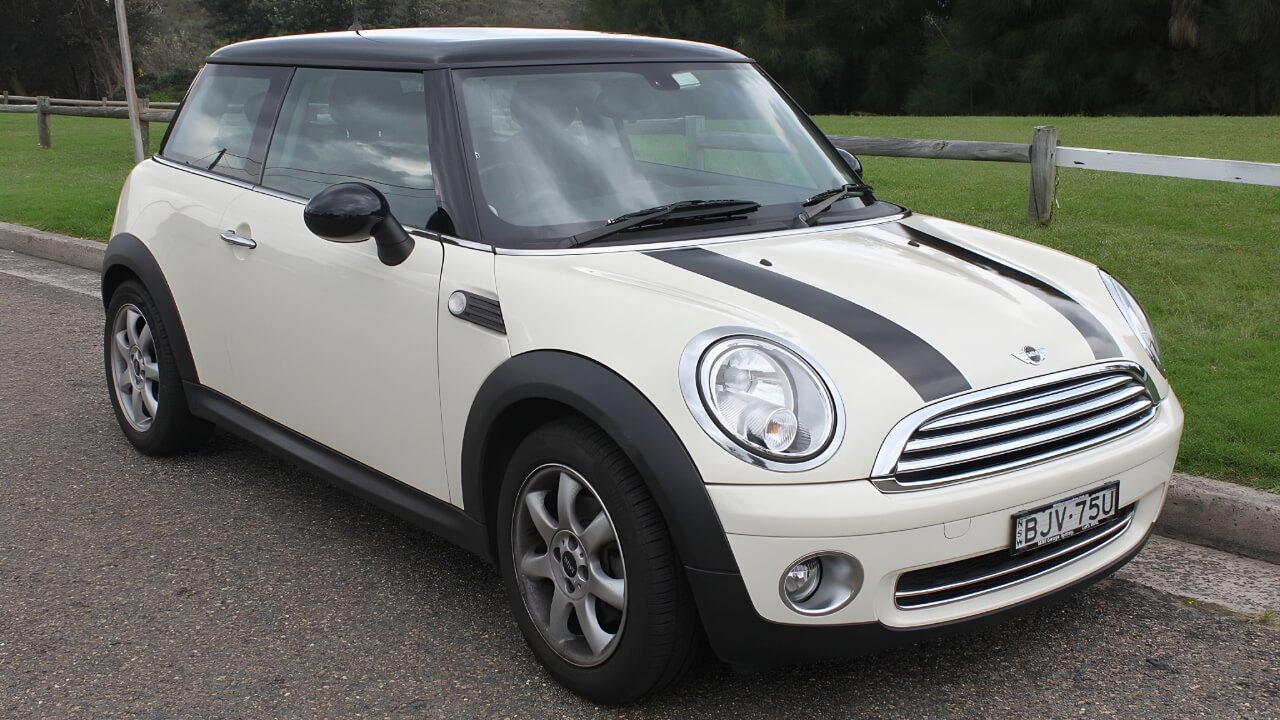

European cars are often admired for their design, performance, and engineering. However, reliability remains a key factor for many buyers when choosing a vehicle. Understanding which models deliver consistent dependability can help consumers make informed decisions.
This article identifies seven European cars that are recognized for their reliability, offering a balance of quality and durability. These vehicles have earned reputations for maintaining performance over time with proper care and maintenance.
Audi A5
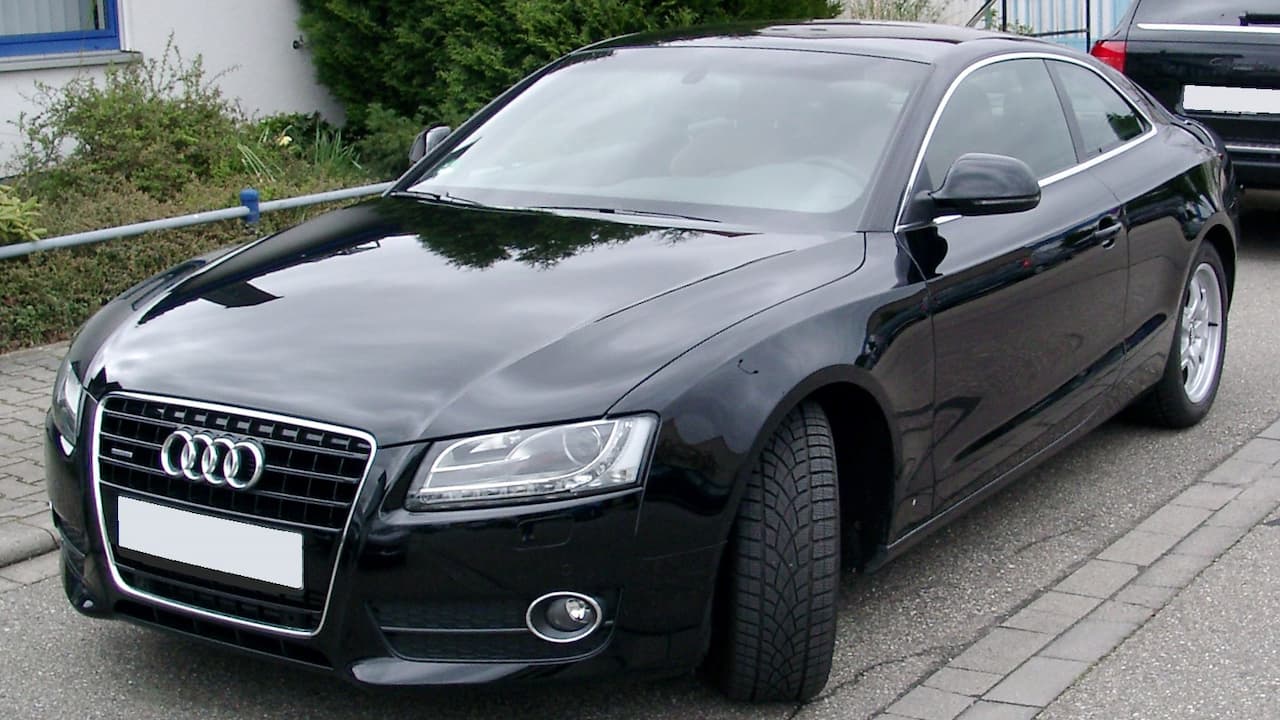
The Audi A5 is recognized for its strong mechanical reliability, though it may require more maintenance than some Japanese brands. Its infotainment system has been noted as a potential weak point.
Recent models, including the 2025 A5, receive solid reliability ratings, with scores reflecting good expected durability. It offers a refined driving experience typical of European luxury vehicles.
BMW B48 30i Engine Models
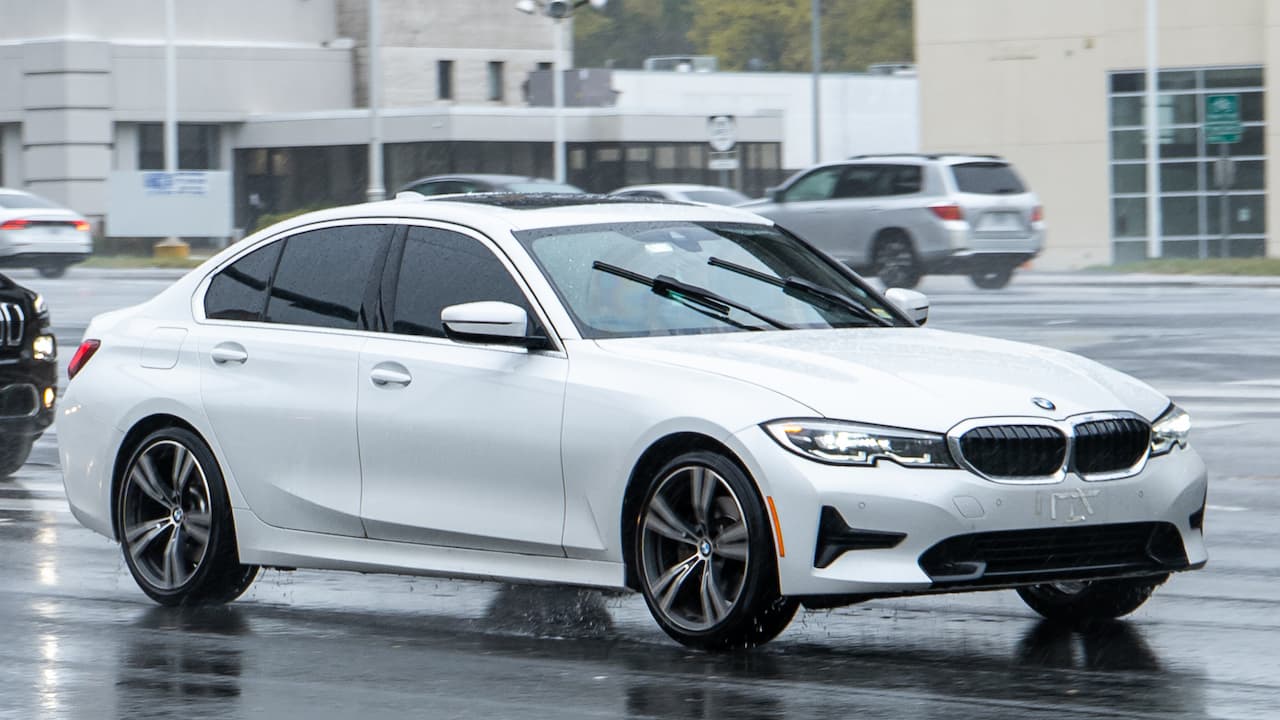
The BMW B48 30i engine is a turbocharged inline-four found in various models like the G20 330i. It produces around 255 horsepower and 295 pound-feet of torque, balancing performance and efficiency.
This engine is known for solid reliability, typically requiring major work only after 50,000 to 100,000 miles. It replaced the older N20 engine and has been praised for its durability over long-term use.
Mercedes 2.2 Diesel Models
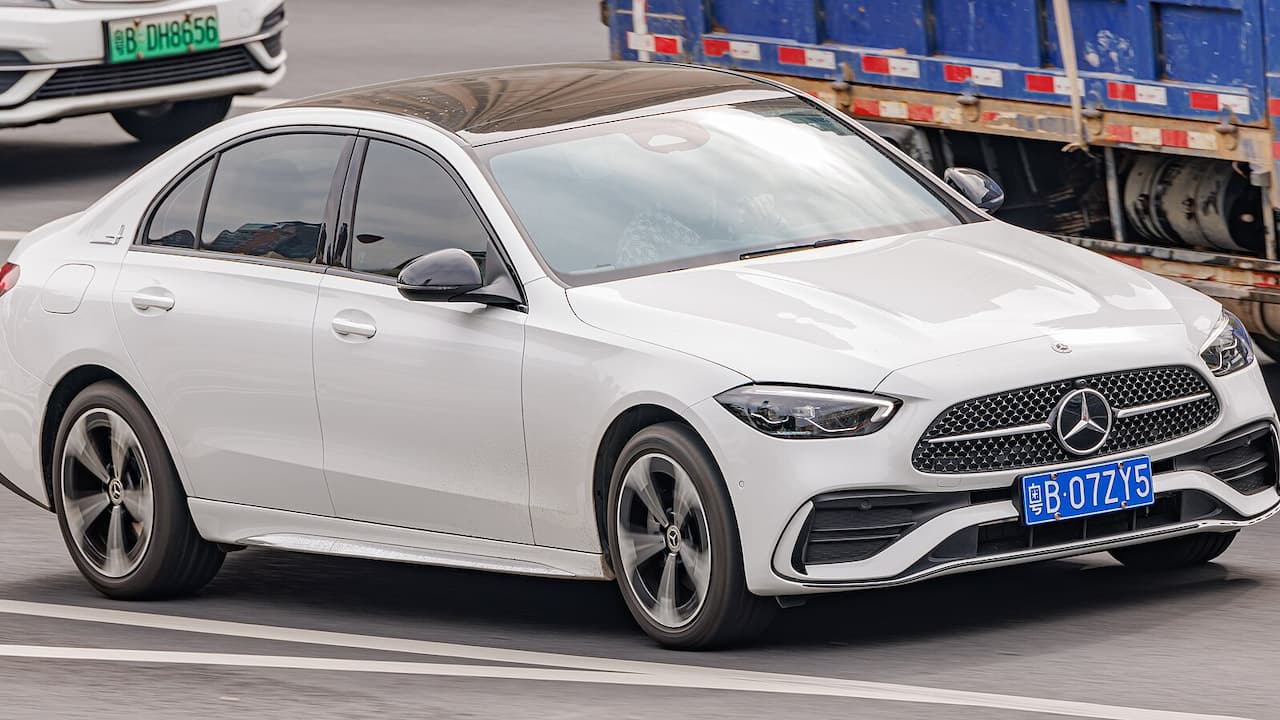
The 2.2-litre OM651 diesel engine in Mercedes C-Class models is recognized for its reliability. It is one of the most dependable engines in the lineup and relatively easy to maintain.
Common issues mainly involve the SCR system, such as AdBlue pumps and NOx sensors, but these are generally manageable with regular servicing. This engine remains a popular choice for those prioritizing durability in European diesel cars.
Porsche 911 (2020 Model)

The 2020 Porsche 911 is recognized for its solid reliability and strong performance. It benefits from advanced engineering and high-quality materials, contributing to durability.
Maintenance costs for this model can be high, reflecting the premium nature of the vehicle. It is generally reliable but requires consistent care to maintain its condition. Consumers appreciate its blend of precision and lasting quality.
Volvo XC90

The Volvo XC90 is recognized for its solid reliability in the seven-seater SUV category. It scored well in reliability surveys, with ratings around 93%.
Early models from 2016 and 2017 experienced some issues, but many of these were resolved with repairs. The 2020 version has a strong reliability score but faced multiple recalls.
Air suspension problems have been noted and can increase maintenance costs. Nonetheless, it remains a dependable choice among European SUVs.
Mini Cooper
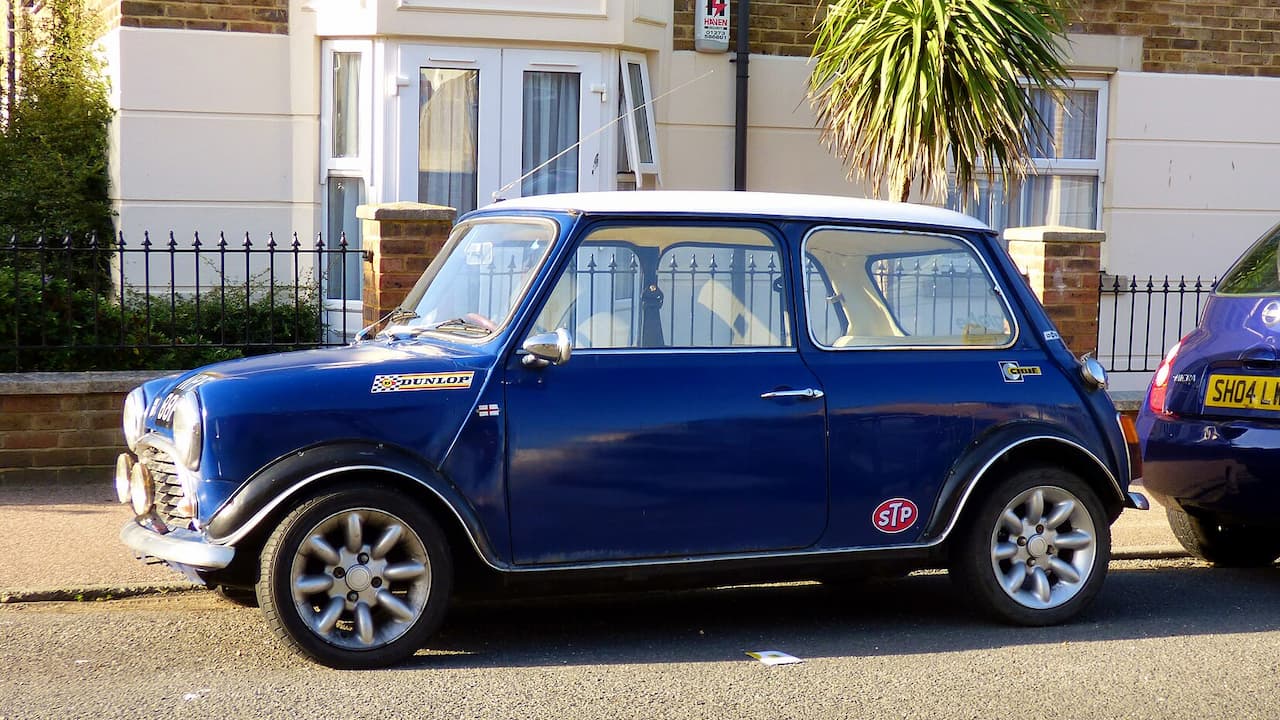
The Mini Cooper has shown improved reliability starting with the 2019 model year. This period marks a noticeable reduction in mechanical issues compared to earlier models.
Models from 2022 to 2024 are considered among the most reliable in the Mini Cooper lineup. However, regular maintenance remains essential to avoid potential problems.
Earlier versions, especially those produced between 2002 and 2006, are known for more frequent issues. Buyers are advised to check service history carefully when considering older models.
Volkswagen EA888 2.0T Engine Models
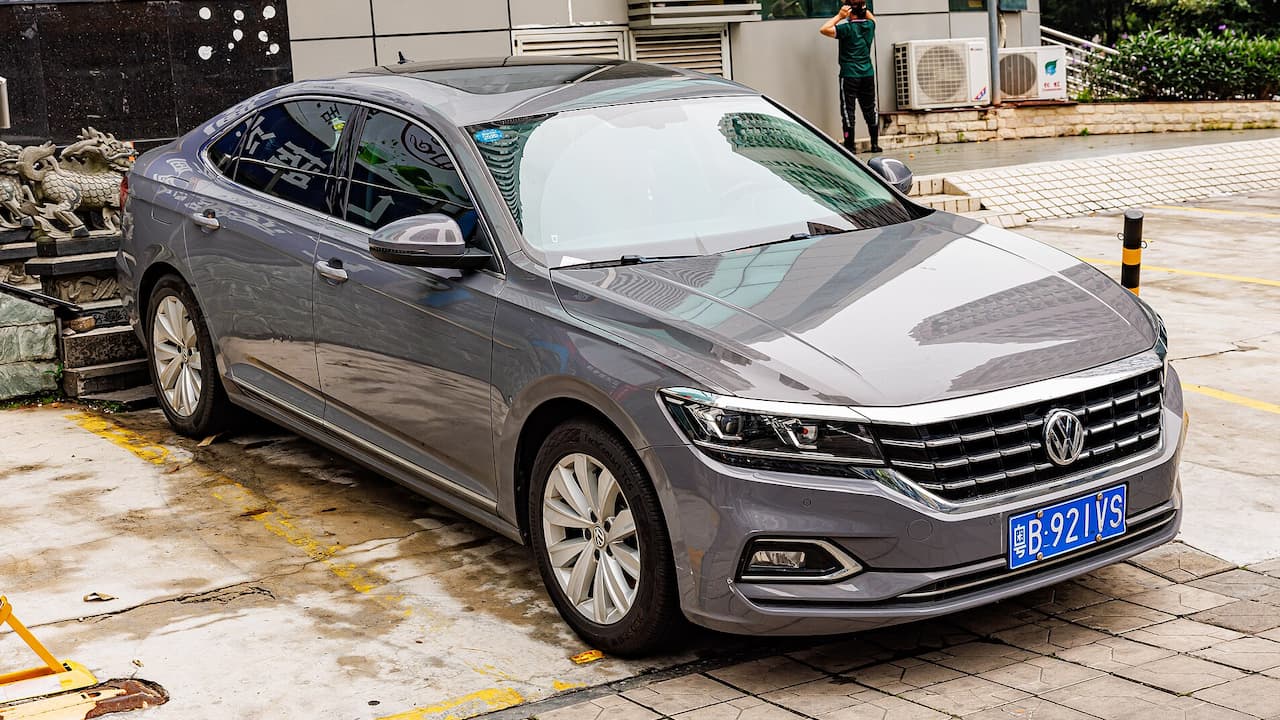
The Volkswagen EA888 2.0T engine is widely used across several VW and Audi models. It features turbocharging and direct injection, offering a balance of performance and efficiency.
Early versions had issues like water pump failure around 40,000 to 60,000 miles, but regular maintenance reduces risks. The latest generation is easier to tune and generally more reliable than prior iterations.