

The rise of electric vehicles (EVs) is reshaping the American automotive landscape, with seven standout models leading the charge. As more consumers seek sustainable transportation options amid rising fuel prices—averaging $3.80 per gallon nationally—these vehicles are not only reducing emissions but also offering innovative technology and improved performance. The shift to EVs is crucial for environmental sustainability and has the potential to significantly impact how Americans commute and travel.
Tesla Model 3 (2021)
The Tesla Model 3 remains a frontrunner in the EV market, with over 500,000 units sold since its launch in 2017. This compact sedan combines affordability with cutting-edge technology, making it accessible to a wider audience. Tesla’s Autopilot feature, which allows for semi-autonomous driving, has set a benchmark in the industry and continues to attract tech-savvy consumers seeking a modern driving experience.
Ford Mustang Mach-E (2021)
Ford’s Mustang Mach-E has successfully blended the iconic Mustang legacy with electric performance, garnering significant attention since its release. The Mach-E has received over 38,000 reservations, highlighting consumer interest in sporty EVs. With a range of up to 300 miles and 0 to 60 mph in just 3.5 seconds for the GT model, it delivers both performance and practicality, appealing to traditional Mustang enthusiasts and new EV buyers alike.
Chevrolet Bolt EV (2022)
The Chevrolet Bolt EV is providing an affordable entry point into the electric vehicle market, with a starting price of approximately $26,000. With an estimated range of 259 miles on a full charge, it is one of the most efficient EVs available. The 2022 model has seen improvements in battery technology and safety features, making it a compelling choice for budget-conscious consumers looking to transition to electric driving.
Hyundai Ioniq 5 (2022)
Hyundai’s Ioniq 5 has made waves with its retro-futuristic design and advanced technology. With a starting price around $40,000, this all-electric crossover boasts a range of up to 300 miles and ultra-fast charging capabilities, allowing drivers to recharge 80% of the battery in just 18 minutes. Its spacious interior and cutting-edge infotainment system cater to families and tech enthusiasts alike, marking it as a versatile option in the EV market.
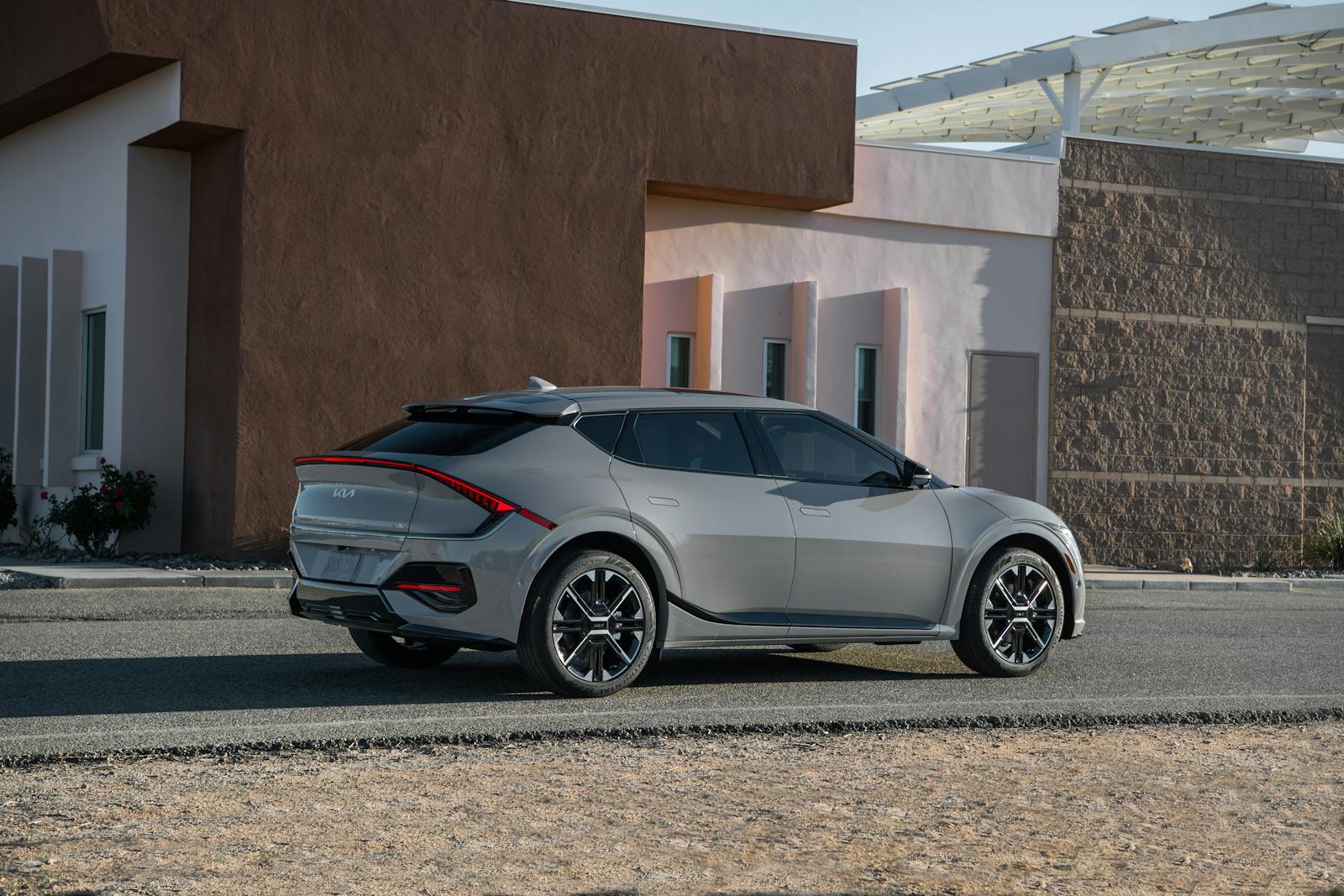
Kia EV6 (2022)
The Kia EV6 is another noteworthy contender in the electric crossover segment, with over 20,000 pre-orders since its launch. Priced similarly to the Hyundai Ioniq 5, the EV6 offers a sporty design and impressive performance, reaching 0 to 60 mph in just 3.5 seconds in its GT variant. With a focus on sustainability, Kia aims to produce 1.2 million EVs globally by 2030, making the EV6 a key player in the company’s electric future.
Rivian R1T (2021)
The Rivian R1T has entered the EV market as a game-changer for electric trucks, with over 10,000 pre-orders and a starting price of $67,500. Designed for adventure, the R1T offers exceptional off-road capabilities, a range of up to 314 miles, and innovative features like the “gear tunnel” for additional storage. As consumers increasingly gravitate toward utility vehicles, Rivian’s focus on outdoor lifestyle and sustainability positions it uniquely in the evolving EV landscape.
Lucid Air (2022)
The Lucid Air has set a new standard for luxury electric sedans, with a starting price of $77,400 and a remarkable range of up to 520 miles on a single charge. With a focus on high performance and opulent interiors, the Lucid Air appeals to affluent consumers looking for an electric alternative to traditional luxury brands. The vehicle’s advanced technology, including a 34-inch curved Glass Cockpit 5K display, enhances the driving experience, making it a standout in the premium EV market.
Conclusion
The growing availability and diversity of electric vehicles are transforming how Americans approach transportation. These seven models are not only pushing the boundaries of technology and performance but are also contributing to the urgent need for sustainable solutions amid climate change concerns and fluctuating fuel prices. As the automotive industry shifts toward electrification, consumers are encouraged to consider these innovative options as part of their next vehicle purchase.