

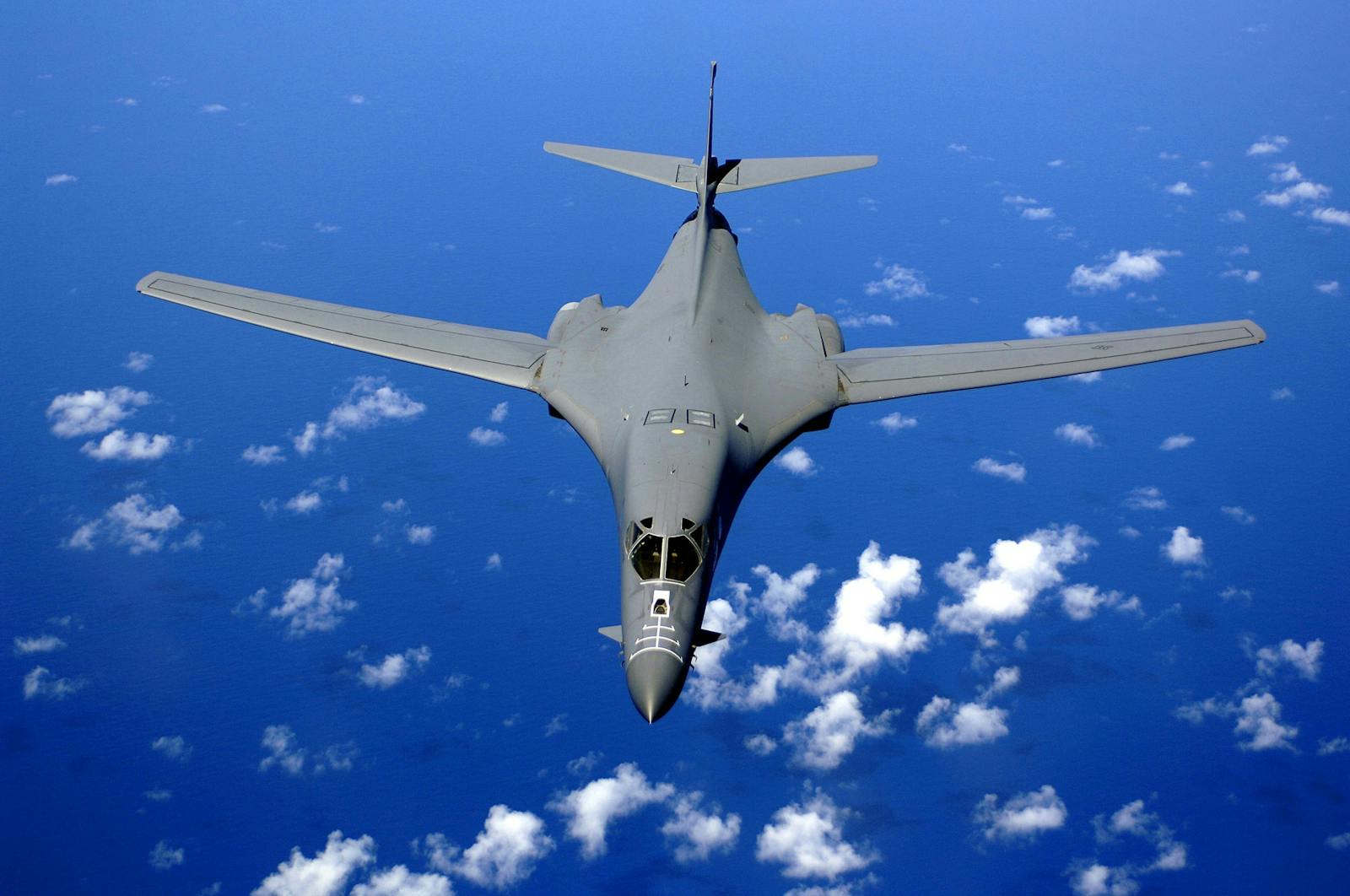
The global landscape of military aviation is shaped significantly by advanced fighter jets that continue to intimidate adversaries and shape defense strategies. As nations invest heavily in next-generation technology, seven fighter jets stand out due to their cutting-edge capabilities, stealth features, and combat readiness. Understanding these aircraft is crucial as they not only represent military power but also influence geopolitical dynamics.
1. F-22 Raptor (USA)
The F-22 Raptor, introduced in 2005, is widely regarded as one of the most advanced fighter jets in the world. With its unmatched stealth capabilities and supercruise technology, the F-22 can fly at supersonic speeds without afterburners, making it a formidable opponent in any aerial engagement. The U.S. Air Force operates 183 units, and its ability to evade radar detection while engaging multiple targets simultaneously sets a high bar for air superiority.
2. F-35 Lightning II (USA)
The F-35 Lightning II, developed by Lockheed Martin, has become a cornerstone of modern air forces since its introduction in 2015. With over 600 units delivered by 2023, this multirole stealth fighter is designed for diverse combat scenarios. Its advanced avionics and sensor fusion capabilities allow pilots to maintain a comprehensive battlefield awareness, making it a critical asset for allies and a source of concern for potential adversaries.
3. Su-57 Felon (Russia)
Russia’s Su-57 Felon, which entered service in 2020, represents a significant leap in combat aircraft technology. As Russia’s first stealth fighter jet, the Su-57 combines supermaneuverability with advanced avionics and radar systems. With plans for approximately 76 units, the aircraft’s capabilities are designed to counter Western air superiority, raising alarms among NATO countries regarding its potential impact on regional security.
4. Chengdu J-20 (China)
The Chengdu J-20, China’s fifth-generation stealth fighter, first flew in 2011 and officially entered service in 2017. With a focus on air superiority and reconnaissance, the J-20 is equipped with advanced stealth features and an array of modern weaponry. China’s commitment to producing over 200 units showcases its intent to enhance its military capabilities and assert its position in the Asia-Pacific region.
5. Eurofighter Typhoon (Europe)
The Eurofighter Typhoon is a collaborative project involving Germany, the UK, Italy, and Spain, with its first flight occurring in 1994. This multirole fighter jet has been continuously upgraded, boasting enhanced avionics, weapons systems, and agility. With over 600 units in service worldwide, the Typhoon remains a vital component of European air defenses and contributes to NATO’s collective security efforts.
6. Dassault Rafale (France)
The Dassault Rafale, a French-designed multirole fighter jet, has been operational since 2001 and is known for its versatility in various combat situations. With stealth features and advanced avionics, the Rafale can perform air-to-air and air-to-ground missions effectively. France has procured around 180 Rafales, and their deployment in international conflicts underscores their significance in modern warfare.
7. Boeing P-8 Poseidon (USA)
While primarily known as a maritime patrol aircraft, the Boeing P-8 Poseidon has advanced capabilities that allow it to operate in anti-submarine warfare and intelligence, surveillance, and reconnaissance roles. Entering service in 2013, the P-8 is based on the Boeing 737 platform and has been adopted by the U.S. Navy and several allied forces. With over 130 units in service, its advanced sensors and weapons systems are critical for maintaining maritime security and deterrence.
Global Implications
The presence of these advanced fighter jets has significant implications for global security. Nations must navigate a complex web of alliances and rivalries, as the introduction of new technologies often leads to an arms race. The ability of these aircraft to penetrate enemy defenses and engage in sophisticated combat scenarios raises the stakes for both offensive and defensive military strategies.
The Future of Military Aviation
As countries continue to develop and acquire advanced fighter jets, the future of military aviation will be shaped by technological advancements and evolving threats. Nations are investing billions in research and development to ensure their air forces remain at the cutting edge. The ongoing competition in this field will likely define military power dynamics in the coming decades.