

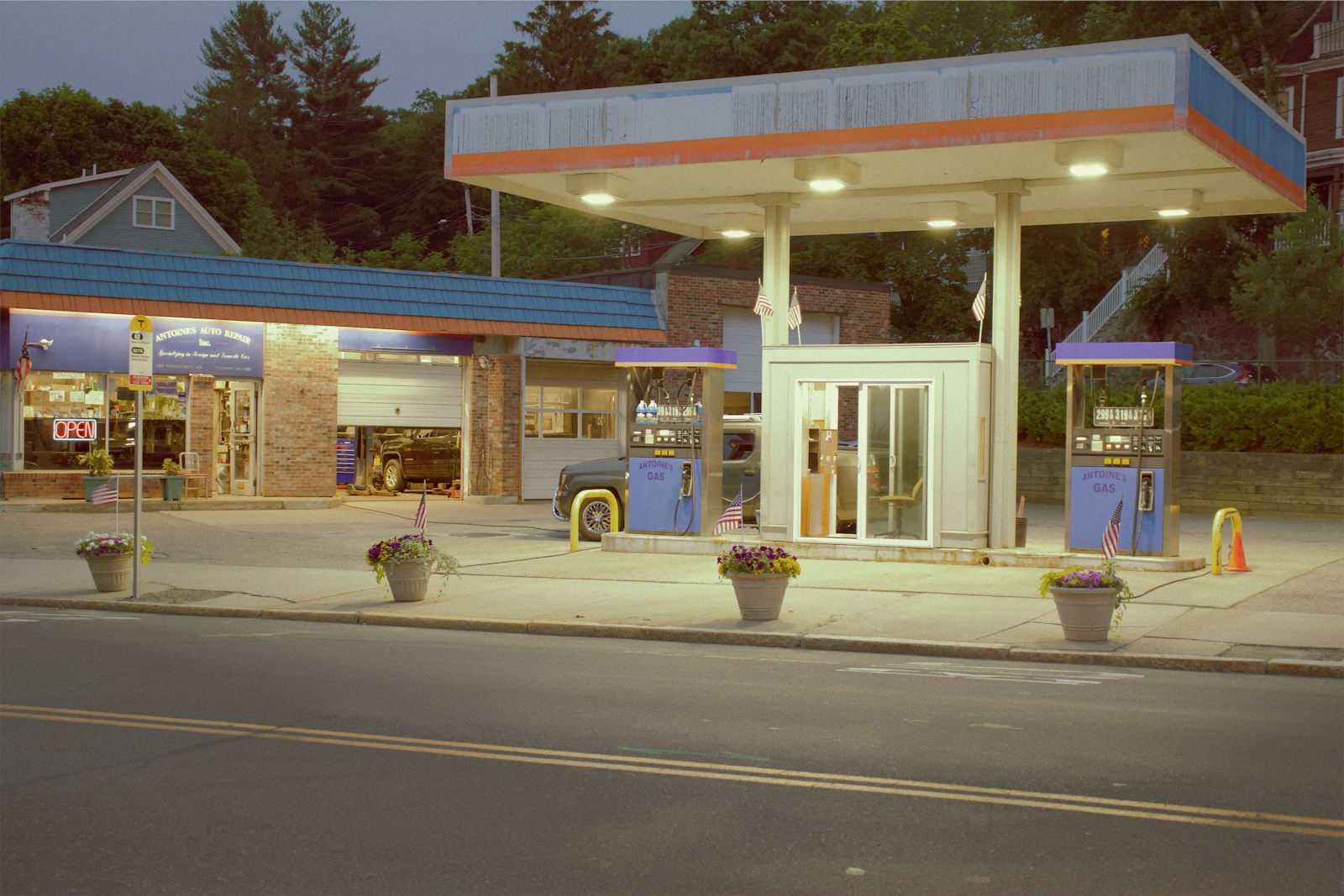
Most gas is basically the same—until it isn’t. Mechanics will tell you they don’t spend their days diagnosing “bad gas,” but when it happens, it’s ugly: rough idling, hesitation, misfires, clogged injectors, and the kind of check-engine light that ruins your afternoon.
The tricky part is that it’s not usually the brand name on the sign—it’s the habits of the specific station. Think of it like buying milk: the label matters, sure, but so does how long it’s been sitting there and how clean the fridge is.
1) Stations with ancient, beat-up pumps
If the pumps look like they’ve been through three recessions and a bar fight, take the hint. Cracked screens, missing buttons, peeling labels, and a general “nobody maintains this place” vibe are red flags. Mechanics see a pretty consistent overlap between neglected pump hardware and neglected underground storage systems.
Why it matters: old equipment can mean more sediment, moisture issues, and sloppy filtration. If they’re not maintaining what you can see, it’s fair to wonder how much they’re maintaining what you can’t.
2) The chronically empty, quiet station
A station with one lonely car at the pump—ever—can be a problem. Low traffic can mean fuel sits longer in the underground tanks, and older fuel is more likely to have moisture contamination or volatility issues (especially with ethanol blends). It’s not that gas “expires” overnight; it’s that stale fuel is more likely to cause drivability headaches.
Busy stations cycle their inventory fast, which is exactly what you want. If you’re choosing between a bustling corner station and the spooky one where the lights flicker like a horror movie, pick the busy one.
3) Stations that are actively getting a fuel delivery
If you pull in and see a tanker truck filling the station’s underground tanks, mechanics will usually tell you to come back later. During deliveries, fuel gets stirred up, and any sediment at the bottom of the tank can get mixed into the fuel. Most stations have filters, yes—but why gamble?
A good rule of thumb: if the tanker’s there, grab a coffee, run your errand, and fill up somewhere else or come back in a few hours. Your fuel system doesn’t need to be a test subject.
4) Stations with sloppy, messy pump areas
Look down before you swipe your card. If the pump area is consistently grimy—trash overflowing, puddles of mystery liquid, no paper towels, windshield squeegees that look like they’ve been used to mop floors—that’s not just aesthetic. It can signal a station that’s lax about upkeep across the board.
Mechanics will say the same thing homeowners do: maintenance is a mindset. A place that can’t keep the forecourt clean may not be staying on top of tank inspections, water checks, or filter changes.
5) Off-brand “discount” stations with weirdly cheap prices
Everyone loves saving money at the pump. But if the price is dramatically lower than every other station within a mile, it’s worth being suspicious—especially if it’s not a temporary promotion. The gas itself might be fine, but the odds of corners being cut somewhere (storage, additives, maintenance) can be higher.
This is where mechanics get a little blunt: saving five bucks isn’t a win if you’re paying for a fuel injector cleaning or chasing a random misfire next week. If you do use a discount station, stick to ones that are clean, busy, and clearly maintained.
6) Stations with repeated customer complaints (and you can usually spot this fast)
Mechanics don’t just rely on rumors—they hear patterns. If a local station has a reputation for “my car started running rough right after I filled up there,” pay attention. One complaint is noise; a steady stream of them is a clue.
Do a quick scan of recent reviews on your map app. You’re looking for repeated mentions of water in fuel, cars stalling after fueling, pumps shutting off constantly, or the station being “sketchy.” Reviews aren’t perfect, but patterns are hard to fake.
7) Stations that don’t advertise (or don’t offer) Top Tier gasoline
This one’s less about danger and more about long-term engine happiness. Many mechanics recommend using “Top Tier” gas when you can, because it meets higher detergent standards designed to reduce deposit buildup on injectors and intake valves. Lots of major brands offer it, and some smaller ones do too—it’s not automatically tied to price.
If a station never mentions Top Tier and you’re driving a modern direct-injection engine (common on newer cars), you may benefit from choosing a Top Tier option more often. It’s not magic, but it can help keep things cleaner over time—especially if you do mostly short trips.
How to pick a “good” station without overthinking it
If you want a simple checklist, mechanics usually say: choose a station that’s busy, clean, well-lit, and clearly maintained. Look for newer pumps, clear labeling, and a forecourt that doesn’t feel neglected. And if you’re picky (or your car is), lean toward stations that advertise Top Tier fuel.
Also, trust your senses. If the fuel nozzle looks filthy, the pump is glitchy, or the whole place feels like it’s one broken lock away from chaos, you’re not being dramatic—you’re being practical.
What to do if you think you got bad gas
If your car starts running rough right after you fill up, don’t panic, but don’t ignore it either. Keep the receipt, note the pump number, and if possible, avoid driving hard (no need to floor it while your engine’s complaining). If the check-engine light flashes, that’s your cue to stop driving and get it checked—flashing usually means active misfires that can damage the catalytic converter.
A mechanic may recommend draining fuel in severe cases, replacing a clogged fuel filter (if your car has a serviceable one), or testing for water contamination. Sometimes a bottle of quality fuel system cleaner helps, but it depends on the situation—and it’s not a fix for actual water in the tank.
Bottom line: most stations are fine most of the time. But when a station shows signs of neglect, low turnover, or a bad local track record, you’re better off spending your money somewhere that treats fuel—and your engine—like it matters.