

As the automotive industry rapidly evolves, several iconic cars from the past now feel sluggish compared to modern vehicles. This shift impacts car enthusiasts and collectors, highlighting the advancements in technology and performance. With automakers pushing the boundaries of speed and efficiency, the nostalgia of driving classic models may come with a reality check regarding their performance capabilities.
1. Ford Mustang (1964-1973)
The Ford Mustang made its debut in 1964 and quickly became a symbol of American muscle. Early models featured engines that produced around 271 horsepower, which was impressive at the time. However, with today’s Mustang models, like the 2021 Ford Mustang Mach 1 boasting over 480 horsepower, the original feels significantly slower, especially as modern muscle cars continue to break the 700-horsepower barrier.
2. Chevrolet Corvette (C2, 1963-1967)
The second-generation Corvette, particularly the 1963 split-window coupe, is a classic that remains beloved among car collectors. Originally equipped with a 327 cubic inch V8 engine producing around 300 horsepower, it was a performance marvel of its era. In contrast, the latest Corvette C8, introduced in 2020, features a mid-engine layout and generates a staggering 495 horsepower, making the C2 feel pedestrian by comparison.
3. Volkswagen Beetle (1938-2003)
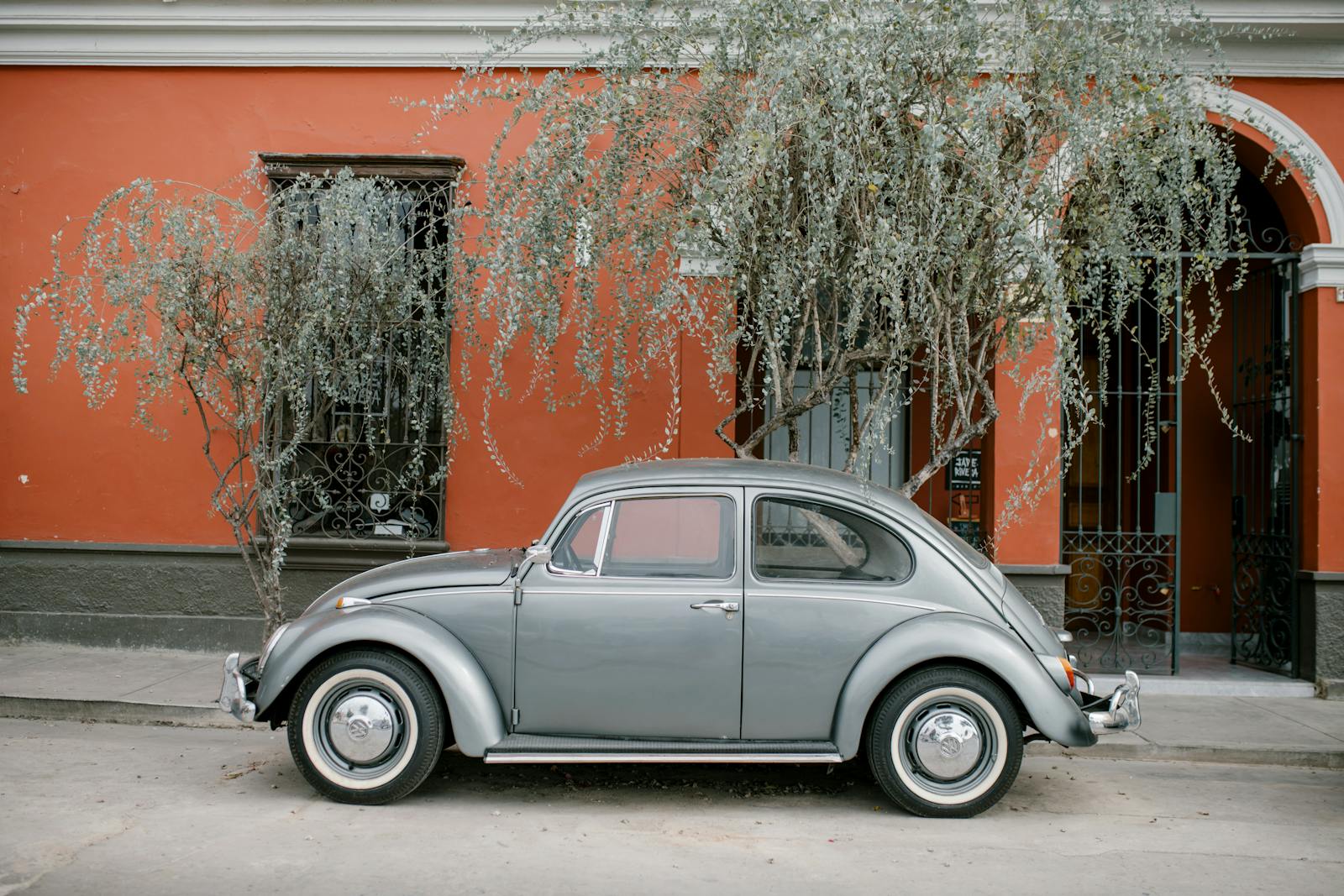
The Volkswagen Beetle is one of the best-selling cars of all time, with over 21 million units produced. Its air-cooled, rear-mounted engine offered a modest 40 horsepower, which was sufficient for its time. However, in today’s automotive landscape, where compact cars often exceed 200 horsepower, the Beetle’s performance is considered slow and outdated, affecting its appeal to new generations of drivers.
4. Porsche 911 (1964-1989)
The Porsche 911 is an automotive icon that has undergone significant evolution since its introduction in 1964. Early models, such as the 1973 Porsche 911 Carrera RS, boasted a mere 210 horsepower. Fast forward to the latest models, which can produce upwards of 640 horsepower, and the original 911 feels considerably less thrilling, despite its classic status and beloved handling characteristics.
5. BMW M3 (E30, 1982-1994)
The E30 BMW M3 is a revered model in the automotive community, known for its motorsport pedigree and engaging driving experience. With a 2.3-liter inline-four engine that produced around 192 horsepower, it was a standout in the 1980s. However, the latest BMW M3, the G80, features a twin-turbo inline-six engine that generates a jaw-dropping 503 horsepower, rendering the E30’s power output almost laughable by current standards.
6. Audi Quattro (1980-1991)
The Audi Quattro revolutionized all-wheel-drive technology in performance cars when it was launched in 1980. Its turbocharged five-cylinder engine produced 200 horsepower, making it a formidable competitor in rally racing. Nevertheless, modern Audi models, such as the Audi RS5, deliver over 450 horsepower with advanced technology, making the original Quattro feel underpowered in today’s high-performance market.
7. Nissan 240SX (1989-1998)
The Nissan 240SX was a favorite among sports car enthusiasts in the 1990s, known for its balanced handling and lightweight design. With a 2.4-liter inline-four engine producing around 140 horsepower, it was fun to drive but lacked the power of contemporary sports cars. Today, vehicles like the Nissan Z, which offers a twin-turbo V6 with over 400 horsepower, highlight just how far performance standards have come.
Conclusion
The evolution of automotive technology has transformed the landscape of performance cars, leaving many classic models feeling slow by today’s standards. As these iconic vehicles become part of automotive history, they serve as a reminder of how far engineering and technology have come. For collectors and enthusiasts, understanding these changes is vital for appreciating the significance of these cars.
As the automotive industry continues to innovate, staying informed about these developments is essential. Whether you’re a car enthusiast or simply interested in the changes affecting the automotive world, it’s crucial to keep up with the latest trends and advancements. Join the conversation and share your thoughts on these iconic cars!