
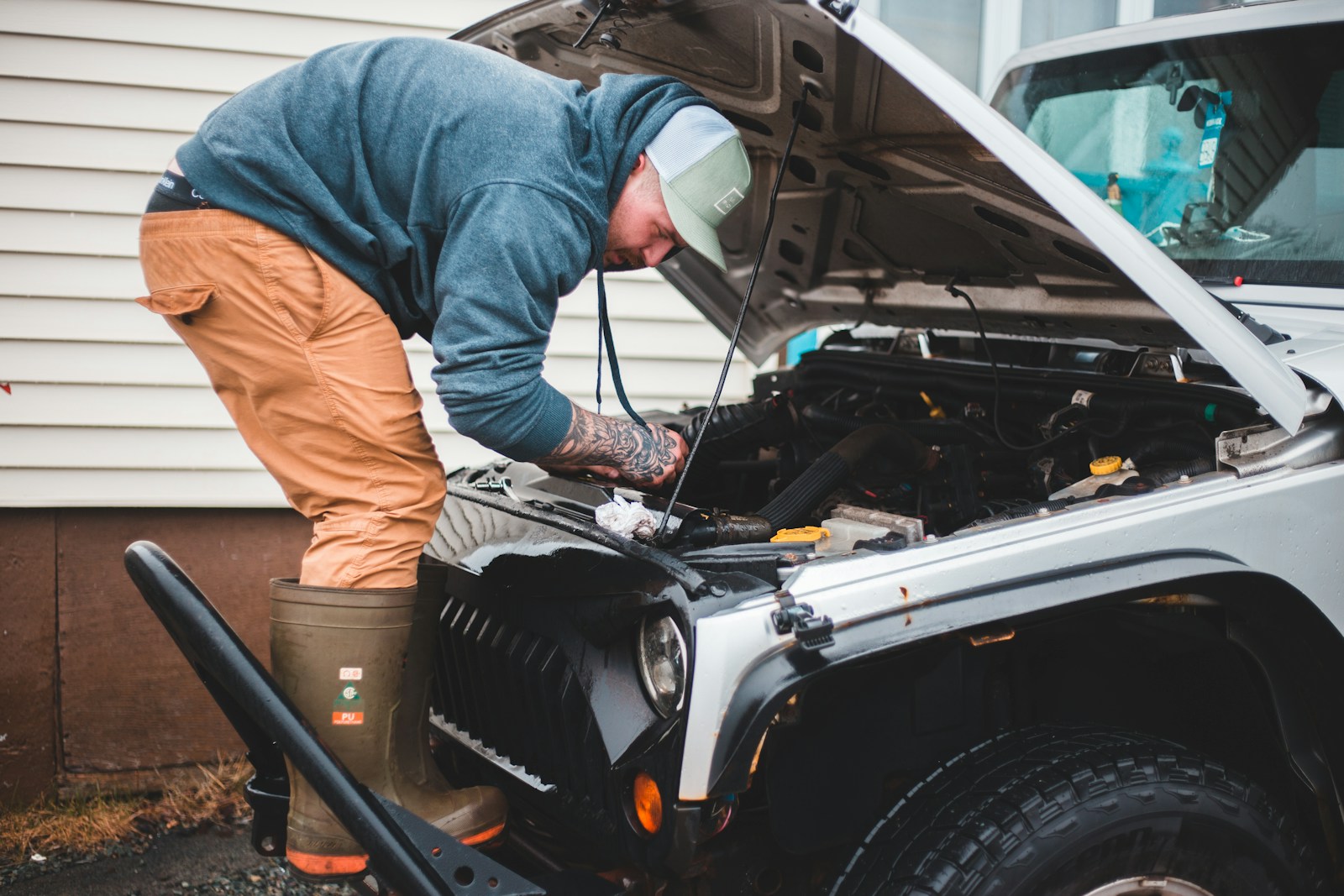

When it comes to cars, not all models are created equal, especially from a mechanic’s perspective. Some vehicles are notorious for making repairs a nightmare, whether it’s due to convoluted designs, hard-to-reach components, or overly complicated systems. Here’s a rundown of seven models that mechanics say are particularly miserable to work on.

1. Volkswagen Jetta
The Volkswagen Jetta has a reputation for being a reliable compact sedan, but mechanics often dread working on it. One major complaint is the complicated layout of the engine bay, which can make simple tasks like changing spark plugs a real chore. Access to critical components is often blocked by other parts, leading to excessive labor hours.
Additionally, the electrical systems in some Jetta models can be finicky. Mechanics frequently encounter issues with the wiring harnesses, which can lead to frustrating diagnostics and repairs. Overall, the Jetta may be a popular choice for drivers, but it’s not a favorite among technicians.
2. BMW 3 Series
The BMW 3 Series is celebrated for its performance and luxury, but working on it can be anything but glamorous. The engineering that makes these cars drive so well also creates a host of challenges for mechanics. The parts are often tightly packed, making it a struggle to access vital components like the starter or alternator.
Moreover, the proprietary tools needed for many repairs can be costly and difficult to find. This often means that repairs take longer than anticipated, driving up the cost for the owner and causing headaches for the mechanic. It’s a classic case of style over substance when it comes to serviceability.
3. Audi A4
The Audi A4 is another model that can frustrate mechanics. Its turbocharged engines are powerful, but the layout can be cramped, and accessing the timing belt can be a nightmare. This complexity often results in higher labor costs and longer repair times, which can be a tough pill to swallow for owners.
Additionally, the frequent need for specialty tools and parts adds to the misery. Mechanics often find themselves wrestling with intricate electronic systems that can lead to diagnostic difficulties. While the A4 may boast premium features, it certainly doesn’t make the repair process any easier.
4. Chrysler 300
Chrysler’s 300 is known for its bold styling, but underneath, it can be a headache for mechanics. The engine bay is notoriously cramped, and even simple maintenance tasks often require removing multiple components just to access the parts that need attention. This can lead to increased labor times and costs.
Furthermore, issues with the electrical systems are common, which complicates troubleshooting. Mechanics often find themselves dealing with a tangled mess of wires, and intermittent electrical problems can be particularly challenging to diagnose. The 300 might look good, but it’s not exactly a friend to the repair shop.
5. Ford Mustang (EcoBoost)
The Ford Mustang is an American icon, but the EcoBoost version can be a bit of a pain to work on. Mechanics have pointed out that the turbocharged engine can lead to overheating issues, and the compact design makes it tough to reach vital components for repair. This often requires additional time and effort when diagnosing problems.
In addition, the turbocharger itself can be a source of complications. Working on the intake and exhaust systems requires precision and can become time-consuming. While the Mustang is a joy to drive, it can be less enjoyable for those tasked with keeping it on the road.
6. Nissan Altima
The Nissan Altima is a go-to for many drivers, but it’s not without its share of repair woes. Mechanics often cite the difficulty of accessing the transmission for repairs as a major drawback. This can lead to extensive labor hours and increased repair bills, making it a frustrating experience for both mechanics and owners alike.
Moreover, the engine design can lead to oil leaks that are tricky to track down. The location of certain gaskets and seals means that repairs can involve a lot of disassembly, which is time-consuming. While the Altima is popular for its comfort and efficiency, it’s less favored in the repair shop.
7. Toyota Prius
The Toyota Prius is praised for its fuel efficiency, but mechanics often find it a challenge to work on. The hybrid system can be complicated, with multiple components that require specialized knowledge and tools. This can lead to higher repair costs and longer wait times for customers.
Additionally, accessing the battery pack for maintenance or replacement can be a labor-intensive process. Mechanics need to navigate through various panels and components to get to it, which can be frustrating. Although it’s a favorite among eco-conscious drivers, it’s less so in the hands of technicians.
In conclusion, while these models may attract buyers for their performance, style, or efficiency, they can present significant challenges for mechanics. Understanding the intricacies of these vehicles can save time, money, and a lot of headaches down the line for anyone considering their purchase.
More from Steel Horse Rides: