

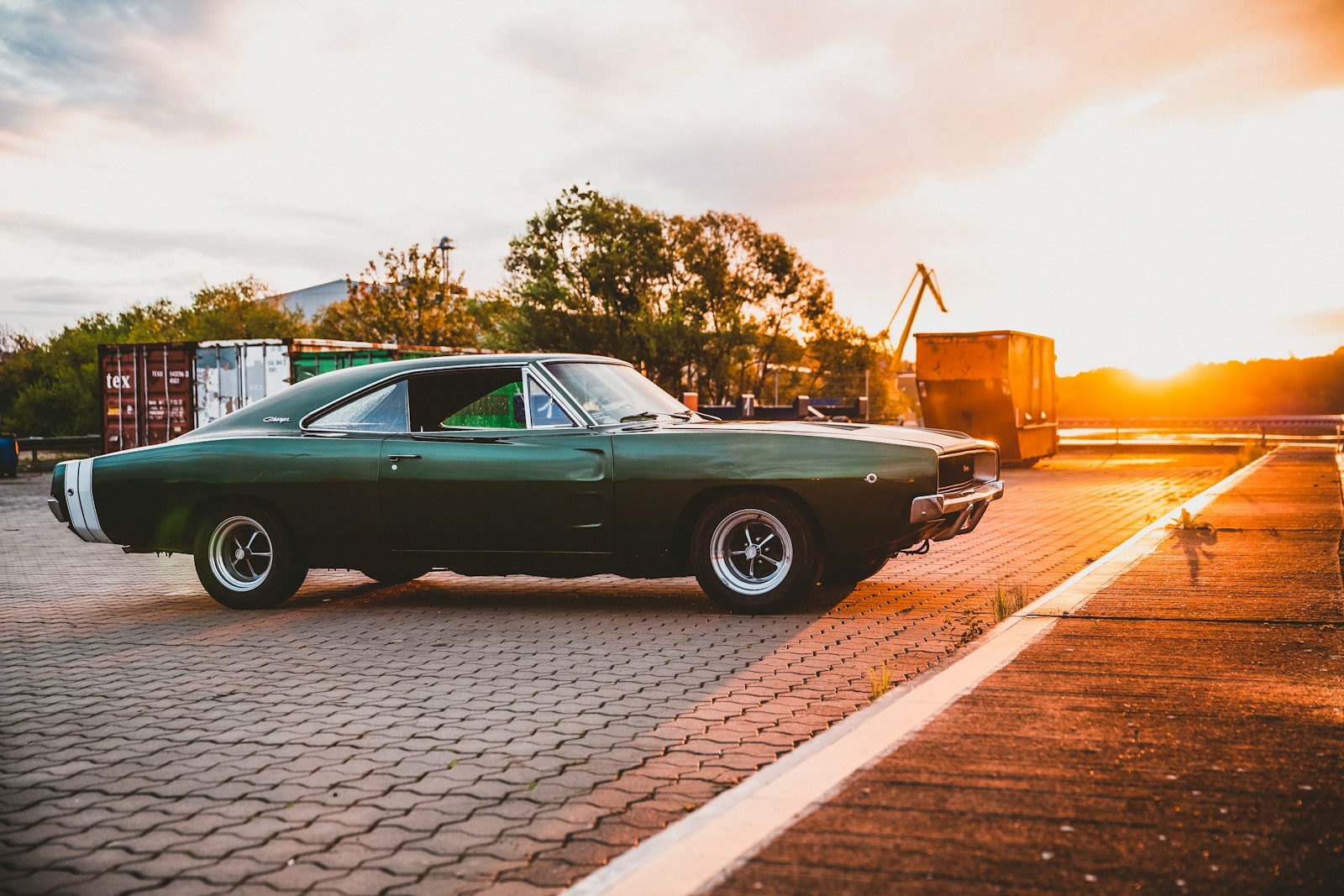
The American automotive landscape was forever altered by the introduction of muscle cars, a category that emerged in the 1960s and 1970s, showcasing raw power and performance. These vehicles not only reshaped consumer expectations but also influenced popular culture, motorsports, and automotive engineering. Here, we explore seven muscle cars that left an indelible mark on how Americans perceive speed.
1. 1964 Pontiac GTO
Often credited as the first true muscle car, the 1964 Pontiac GTO set the standard for performance vehicles. With a 389 cubic inch V8 engine producing 325 horsepower, the GTO could accelerate from 0 to 60 mph in under eight seconds. Its success helped launch a new era of high-performance sedans, leading to a sales spike that saw over 32,000 units sold in its first year.
2. 1967 Ford Mustang GT
The 1967 Ford Mustang GT played a pivotal role in the muscle car phenomenon by combining style, speed, and affordability. Equipped with a 390 cubic inch V8 engine, it generated 320 horsepower, attracting buyers looking for a sporty vehicle. The Mustang’s success was immediate, with over 400,000 units sold in its first model year, firmly establishing it as an icon of American automotive culture.
3. 1970 Chevrolet Chevelle SS
The 1970 Chevrolet Chevelle SS took the muscle car concept to new heights with its 454 cubic inch V8 engine, capable of producing an impressive 450 horsepower. This vehicle represented the pinnacle of performance for its time and solidified Chevrolet’s reputation in the muscle car market. With only 29,000 units produced, the Chevelle SS became a collector’s item, symbolizing the golden age of muscle cars.
4. 1969 Dodge Charger
The 1969 Dodge Charger contributed significantly to the popularity of muscle cars, especially due to its aggressive styling and powerful engine options. The Charger could be equipped with a 426 cubic inch Hemi V8, producing 425 horsepower, which made it a favorite among racing enthusiasts. Its cinematic appearances in films like “Bullitt” and “The Fast and the Furious” further solidified its status as an American icon.
5. 1970 Plymouth Barracuda
The 1970 Plymouth Barracuda, particularly the ‘Cuda variant, represented a bold approach to muscle car design with its sleek lines and powerful engine choices. With a 426 cubic inch Hemi V8 option, it produced a staggering 425 horsepower. Despite its performance, only about 14,000 units were sold, making it relatively rare today and a prized possession for collectors.
6. 2003-2004 Dodge Viper SRT-10
Re-emerging in the 2000s, the 2003-2004 Dodge Viper SRT-10 redefined the muscle car with its modern engineering and design. Powered by an 8.3-liter V10 engine, it delivered a jaw-dropping 500 horsepower. This vehicle demonstrated that muscle cars could evolve with technology while still offering exhilarating performance, leading to a resurgence of interest in American muscle.
7. 2020 Ford Mustang Shelby GT500
The 2020 Ford Mustang Shelby GT500 is a testament to how far muscle cars have come, featuring a supercharged 5.2-liter V8 engine that produces over 700 horsepower. This model showcases advanced technology, including a 7-speed dual-clutch transmission and an aerodynamic design that enhances performance. With a top speed exceeding 180 mph, the GT500 brings muscle cars into the 21st century, appealing to a new generation of speed enthusiasts.
Conclusion
These seven muscle cars significantly impacted the automotive industry and American culture, shaping perceptions of speed and performance. They are not merely vehicles; they are symbols of freedom, power, and ingenuity. As the market continues to evolve with electric vehicles and hybrid technology, the legacy of these muscle cars remains a vital part of America’s automotive history. For enthusiasts and collectors, the time to appreciate and perhaps invest in these iconic models is now, as their value and significance continue to grow.