

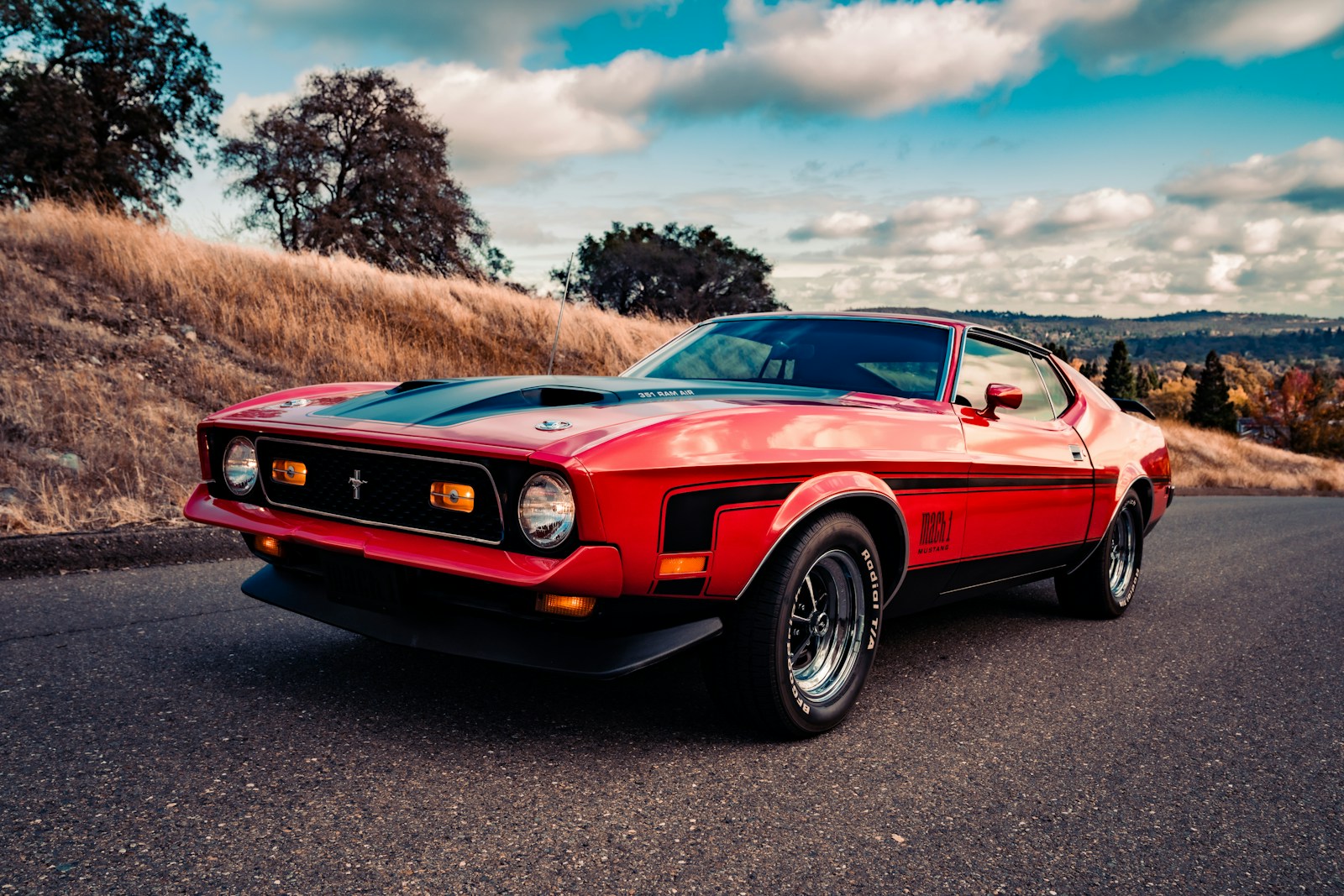
The muscle car era of the 1960s and 1970s not only transformed the American automotive landscape but also became a symbol of freedom and rebellion, influencing generations of car enthusiasts. As the automotive market continues to evolve, these iconic vehicles remain emblematic of a time when power, style, and individuality reigned supreme on American roads. This article explores seven muscle cars that have left an indelible mark on American culture and continue to resonate with car lovers today.
1. Ford Mustang (1964-present)
Introduced in 1964, the Ford Mustang quickly became a cultural icon and is often credited with starting the muscle car craze. With its sleek design and powerful engine options, including the legendary 289 cubic inch V8, the Mustang appealed to a young demographic eager for freedom and speed. Over 10 million Mustangs have been sold since its launch, making it one of the best-selling cars in history and a symbol of American innovation.
2. Chevrolet Camaro (1966-present)
Launched in 1966 as a direct competitor to the Mustang, the Chevrolet Camaro has a rich history rooted in performance and style. The 1969 Camaro Z/28, equipped with a 302 cubic inch V8, showcased the muscle car’s potential with its impressive speed and handling. The Camaro has sold over 5 million units, and its various iterations continue to attract enthusiasts who value its performance and heritage.
3. Dodge Charger (1966-present)
The Dodge Charger, introduced in 1966 as a fastback coupe, quickly became synonymous with raw power and performance. The 1969 Charger R/T, with its 440 cubic inch V8 engine, exemplified muscle car dominance on the streets and in popular culture, particularly through its appearances in films like “Bullitt” and “The Fast and the Furious.” The Charger remains a staple of American muscle, with over 1 million units sold since its inception.
4. Pontiac GTO (1964-1974)
Often hailed as the original muscle car, the Pontiac GTO debuted in 1964 and set the standard for performance with its 389 cubic inch V8 engine. Its combination of affordability and power resonated with consumers, leading to sales exceeding 500,000 units by the time it was discontinued in 1974. The GTO’s legacy continues to inspire modern muscle cars, reinforcing its place in American automotive history.
5. Chevrolet Corvette (1953-present)
While often categorized as a sports car, the Chevrolet Corvette has strong ties to the muscle car movement, especially in its high-performance Z06 and ZR1 variants. The 1967 Corvette Stingray, equipped with the L88 engine, is famous for its blistering performance and has become a collector’s item, selling for over $1 million at auctions. The Corvette has sold more than 1.5 million units, showcasing its enduring appeal and status as an American automotive icon.
6. Plymouth Barracuda (1964-1974)
The Plymouth Barracuda was one of the earliest pony cars, debuting in 1964 and offering consumers a unique blend of style and performance. The 1970 Barracuda, particularly the HEMI version, featured a powerful 426 cubic inch engine and became a symbol of muscle car excess. Although production ceased in 1974, the Barracuda remains a sought-after classic car, with prices for well-maintained models reaching upwards of $100,000.
7. Dodge Challenger (1970-present)
The Dodge Challenger made its debut in 1970, quickly establishing itself as a competitor in the muscle car segment. The 1970 Challenger R/T, equipped with the 426 HEMI engine, was a formidable presence on and off the track. Following a hiatus, the Challenger was reintroduced in 2008 and has since seen a resurgence in popularity, thanks to its retro styling and powerful engine options, including the supercharged Hellcat variant that produces over 700 horsepower.
The Legacy of Muscle Cars
These seven muscle cars have not only shaped the American automotive industry but have also become integral to the cultural fabric of the nation. Their power, speed, and design reflect a spirit of freedom and rebellion that resonates with many Americans. As electric vehicles gain traction in the market, the muscle car’s legacy serves as a reminder of a time when driving was synonymous with personal expression and adventure.