

When it comes to muscle cars, the expectation is high: power, speed, and an exhilarating driving experience. However, not all models live up to their aggressive aesthetics and bold marketing promises. This article examines seven muscle cars that, despite their striking designs and impressive specifications, failed to deliver the performance enthusiasts anticipated. This matters to consumers who invest in these high-performance vehicles, only to face disappointment on the open road.
1. Chevrolet Camaro Z28 (1998–2002)
The 1998 Chevrolet Camaro Z28 boasted a sleek design and a powerful 5.7-liter V8 engine, but it struggled to perform as expected. With a 0-60 mph time of approximately 6.3 seconds, it was outpaced by rivals like the Ford Mustang Cobra, which could achieve the same in under six seconds. Although it looked the part, the Z28’s underwhelming acceleration left many buyers wanting more from a car that was supposed to be a muscle car icon.
2. Pontiac Firebird Trans Am (2002)
Another example from the early 2000s is the Pontiac Firebird Trans Am, which featured a menacing exterior and a potent 5.7-liter LS1 V8 engine. Despite its aggressive stance and stylish lines, the 2002 model’s performance did not match its appearance. With a 0-60 mph time of just 5.5 seconds, it fell short of expectations set by earlier models, proving that looks alone can’t fuel a muscle car’s legacy.
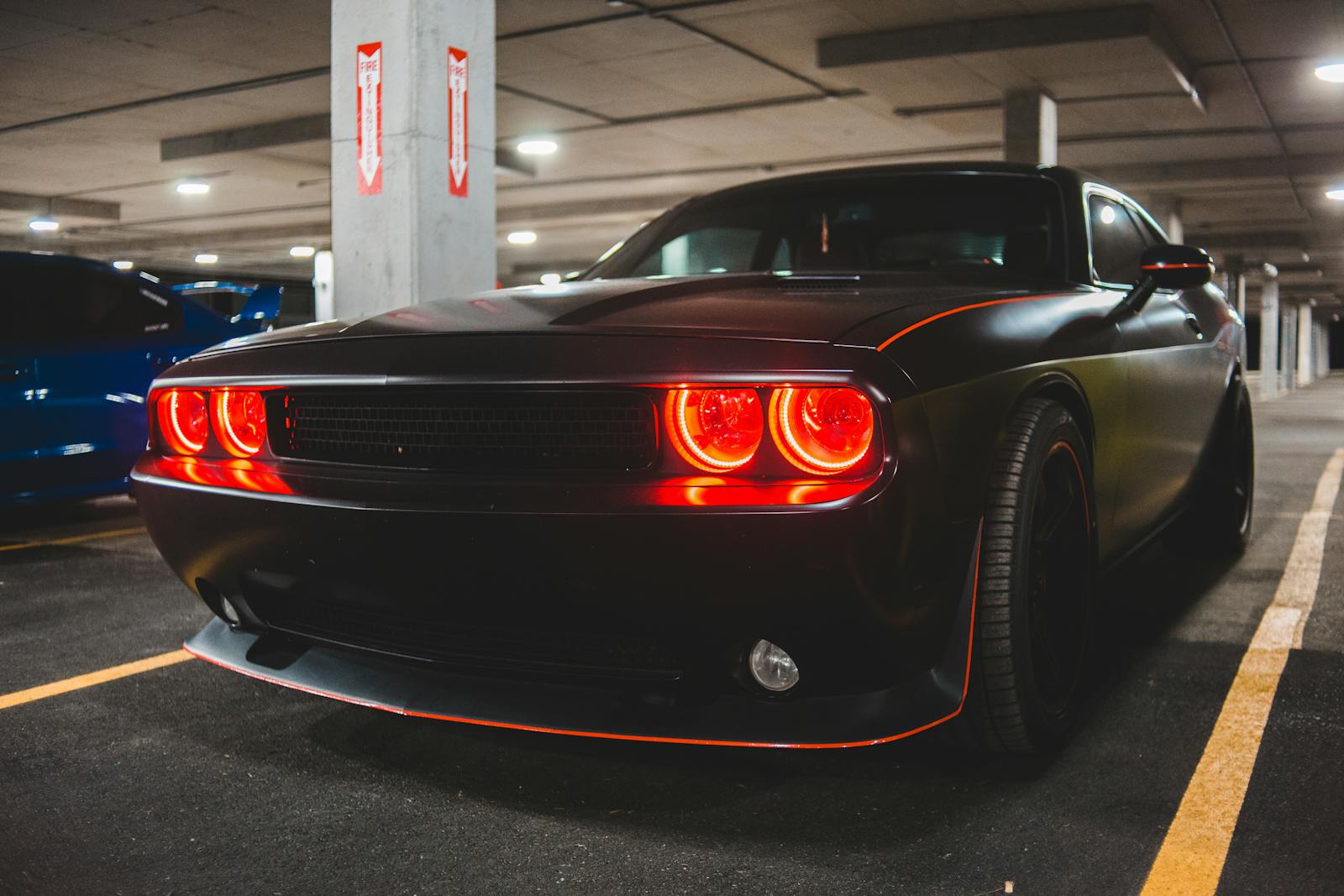
3. Dodge Challenger SRT8 (2008–2014)
The Dodge Challenger SRT8 made a significant splash upon its re-release in 2008, marketed with a powerful 6.1-liter HEMI V8 that claimed a thrilling 425 horsepower. However, the car’s weight—over 4,000 pounds—dampened its performance, resulting in a 0-60 mph time of 4.9 seconds. While it certainly looked fast parked in a driveway, the driving experience left many enthusiasts feeling that the Challenger SRT8 was more about style than substance.
4. Ford Mustang GT (2010–2014)
The 2010 Ford Mustang GT was celebrated for its retro design and a 4.6-liter V8 engine that produced 315 horsepower. However, despite its muscular appearance, the car’s performance was lackluster, with a 0-60 mph time of 5.1 seconds. Competing models like the Chevrolet Camaro SS outperformed the Mustang GT, leading many fans to question whether the Mustang’s design was a distraction from its lack of driving excitement.
5. Chrysler 300C (2005–2010)
The Chrysler 300C, while not a traditional muscle car, sported a bold design and a powerful 5.7-liter HEMI V8 that was visually imposing. Unfortunately, it delivered a 0-60 mph time of around 6.3 seconds, which was underwhelming compared to other vehicles in its class. The 300C’s weight and focus on luxury over performance meant that it often felt more like an upscale sedan than a muscle car, disappointing those looking for speed.
6. Dodge Magnum RT (2005–2008)
The Dodge Magnum RT, a unique blend of a muscle car and wagon, had a 5.7-liter HEMI V8 engine, promising a thrilling driving experience. However, the car’s heavy build and handling issues resulted in a 0-60 mph time of about 6 seconds. Despite its sporty appearance, the Magnum RT’s performance did not resonate with the muscle car community, leading to its eventual discontinuation in 2008.
7. Nissan 370Z Nismo (2015–2020)
While the Nissan 370Z Nismo is often categorized as a sports car, its aggressive styling and performance claims often draw comparisons to muscle cars. With a 3.7-liter V6 engine producing 350 horsepower, it presents a strong image. However, the 370Z Nismo’s 0-60 mph time of around 5.0 seconds is not competitive with its muscle car counterparts, leaving many to question its muscle car credentials. The car’s inability to deliver on its promises has led to mixed reviews from enthusiasts.