

In the world of automotive enthusiasts, muscle cars often occupy a revered status, celebrated for their power, performance, and iconic designs. However, not all muscle cars live up to the legendary status they’ve garnered over the years. This article highlights seven muscle cars that, despite their storied reputations, were often more myth than machine, affecting the expectations of buyers and collectors alike.
1. Pontiac Trans Am (1977)
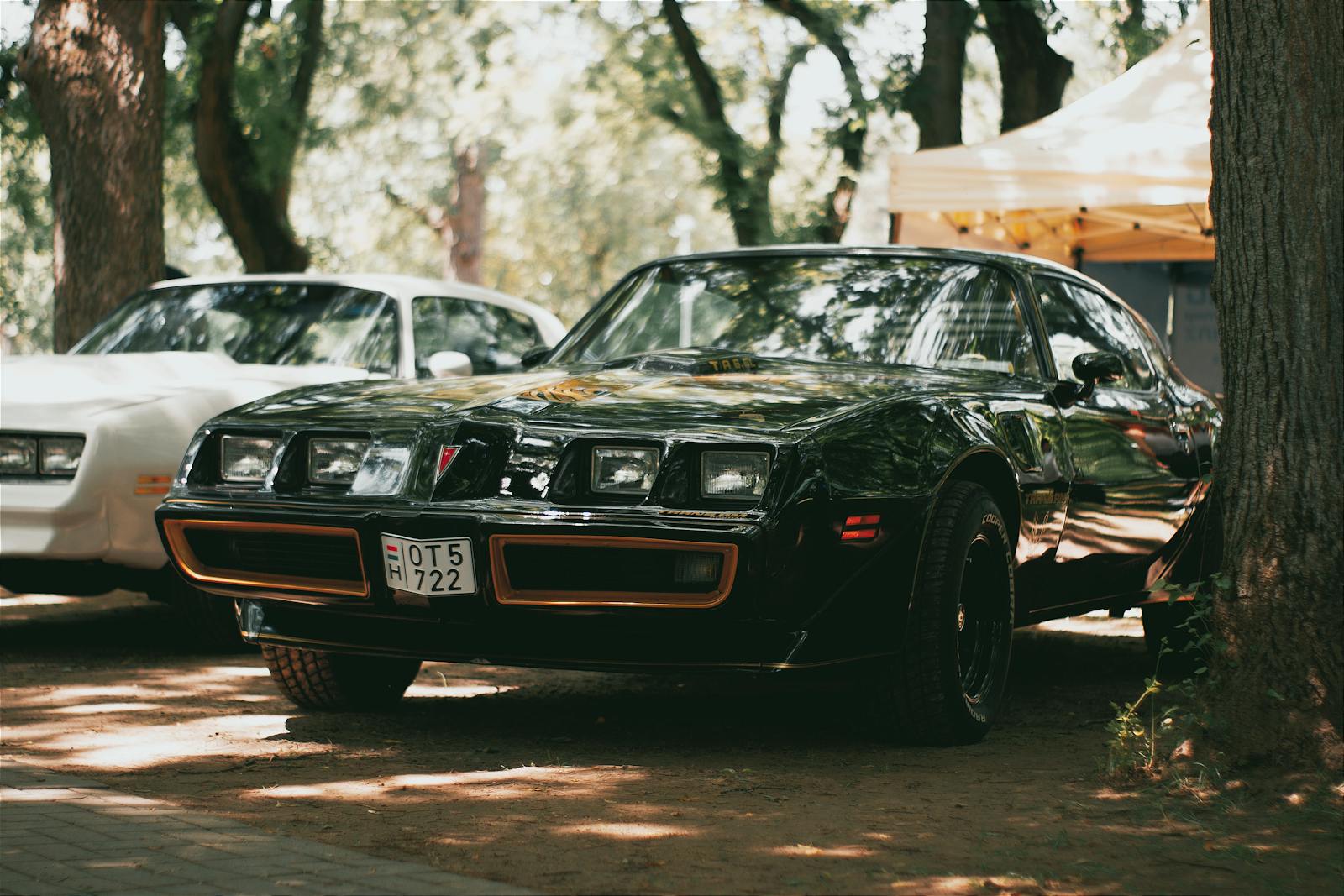
The Pontiac Trans Am of 1977 is often romanticized for its role in pop culture, particularly in the film “Smokey and the Bandit.” However, by the late 1970s, the Trans Am’s performance was significantly hampered by stringent emissions regulations. The 1977 model came equipped with a V8 engine that produced only 200 horsepower, a far cry from the performance figures associated with earlier models. This disparity between expectation and reality has contributed to its status as a muscle car myth.
2. Dodge Challenger (1978)
The Dodge Challenger first debuted in 1970, quickly becoming an icon of the muscle car era. However, the 1978 model, produced during the fuel crisis, was a shadow of its former self. With a smaller engine and a focus on fuel efficiency, the 1978 Challenger offered only 150 horsepower. This stark decline in performance and the shift away from muscle car ideals left enthusiasts disillusioned, tarnishing the Challenger’s legacy.
3. Ford Mustang II (1974-1978)
The Ford Mustang II was introduced during a time when fuel prices surged, prompting a shift towards smaller, more economical cars. While it was designed to appeal to a changing market, the Mustang II is often criticized for its lack of power and performance. With a base engine producing just 88 horsepower, this iteration of the Mustang fell short of the expectations set by its predecessors. The Mustang II is frequently viewed as a detour in the Mustang’s storied history.
4. Chevrolet Camaro (1982)
The 1982 Chevrolet Camaro marked the beginning of a new generation for the iconic vehicle, but it struggled to capture the muscle car essence. The car was equipped with a V6 engine that produced only 115 horsepower, which was considered lackluster compared to the powerful V8 models of the past. As a result, many enthusiasts felt let down by this model, as it failed to deliver the thrilling performance that the Camaro was known for.
5. Mercury Cougar (1977)
The Mercury Cougar was once celebrated for its sleek design and strong performance, but by 1977, it had transformed into a more luxurious vehicle rather than a muscle car. The shift towards comfort and style resulted in a significant reduction in horsepower, with the top engine option delivering only 190 horsepower. This change alienated many muscle car fans, leading to the Cougar being seen more as a grand tourer than a true muscle performer.
6. Oldsmobile 442 (1970-1980)
The Oldsmobile 442 started as a powerful muscle car in the late 1960s, but by the mid-1970s, it had succumbed to the same pressures that affected many of its contemporaries. The 1980 model featured a V8 engine that only produced 150 horsepower, a shadow of the original model’s capabilities. This decline in performance and the dilution of its muscle car heritage left many collectors disillusioned, as the 442 became a mere footnote in muscle car history.
7. Plymouth Road Runner (1971)
The Plymouth Road Runner is often celebrated for its early models that delivered exceptional speed and power. However, by the time the 1971 model was released, it was equipped with a smaller engine that produced just 245 horsepower. This marked a significant decline in performance, leading to a perception that the Road Runner had lost its edge. The myth of the Road Runner as a raw muscle car faded, as it became more a symbol of the changing automotive landscape.
Conclusion
While muscle cars have long been celebrated as symbols of American automotive power, many models have fallen victim to changing market dynamics, regulatory pressures, and shifting consumer preferences. The Pontiac Trans Am, Dodge Challenger, and other vehicles discussed have become cautionary tales of how quickly a legacy can diminish. For muscle car enthusiasts and collectors, these myths serve as reminders to approach the history of these vehicles with a critical eye.
As the automotive industry continues to evolve, it is crucial for potential buyers and collectors to research thoroughly before investing in