

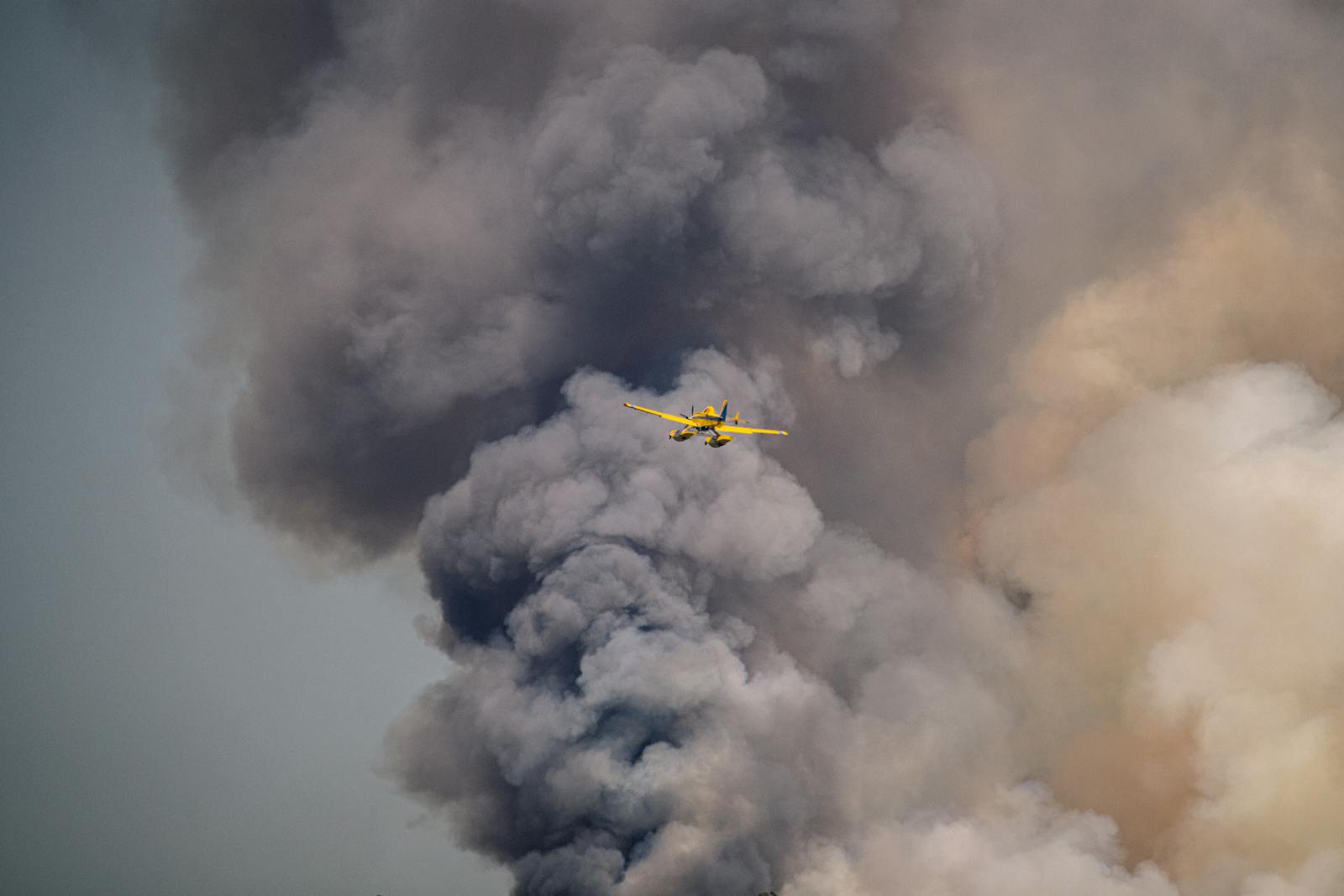
Over the decades, several catastrophic airplane disasters have prompted significant changes in aviation safety regulations, impacting millions of passengers worldwide. These tragic events not only resulted in loss of life but also led to heightened scrutiny of safety protocols and aircraft design. Understanding these incidents is crucial as they have shaped the way airlines operate today.
1. The Tenerife Airport Disaster (1977)
The Tenerife Airport Disaster remains the deadliest aviation accident in history, claiming 583 lives when two Boeing 747s collided on the runway. On March 27, 1977, a dense fog enveloped the airport, leading to miscommunications between the air traffic control and the flight crews. In response to this tragedy, international aviation authorities significantly improved ground communication protocols and implemented standardized phraseology to enhance clarity during critical situations.
2. The Crash of Air France Flight 447 (2009)
Air France Flight 447, which tragically crashed into the Atlantic Ocean, was a pivotal moment in aviation safety history. On June 1, 2009, the Airbus A330 went down, resulting in the deaths of all 228 passengers and crew members. Investigations revealed issues with pilot training in handling unreliable airspeed readings, leading to a global overhaul of pilot training programs, particularly regarding automation and manual flying skills.
3. United Airlines Flight 553 (1972)
The crash of United Airlines Flight 553 in 1972 was a wake-up call for aviation safety regulations in the United States. The Boeing 737 crashed while attempting to land at Chicago Midway Airport, killing 45 people. Following this incident, the Federal Aviation Administration (FAA) mandated stricter pilot training requirements, particularly in decision-making and situational awareness, which are critical during landing procedures.
4. The Lockerbie Bombing (1988)
The bombing of Pan Am Flight 103 over Lockerbie, Scotland, killed 270 people and highlighted severe vulnerabilities in aviation security. On December 21, 1988, a bomb hidden in a suitcase detonated, leading to immediate changes in baggage screening and security protocols. In the aftermath, new regulations mandated comprehensive screening of passengers and luggage, greatly enhancing safety measures against terrorism in aviation.
5. The Colgan Air Flight 3407 Crash (2009)
The crash of Colgan Air Flight 3407 near Buffalo, New York, killed all 50 people on board and sparked intense scrutiny of regional airline safety practices. On February 12, 2009, the Dash 8 Q400 aircraft crashed while attempting to land in icy conditions. The National Transportation Safety Board (NTSB) recommended stricter regulations for crew rest and training, leading to the passage of the Airline Safety and Federal Aviation Administration Extension Act of 2010, which aimed to improve pilot training and fatigue management.
6. Malaysia Airlines Flight MH370 (2014)
The disappearance of Malaysia Airlines Flight MH370 on March 8, 2014, remains one of aviation’s greatest mysteries, with 239 people lost. The Boeing 777 disappeared while en route from Kuala Lumpur to Beijing, raising critical questions about tracking technology. In response, the International Civil Aviation Organization (ICAO) established new regulations requiring aircraft to be equipped with advanced tracking systems, improving the ability to locate lost flights in real-time.
7. Ethiopian Airlines Flight 302 (2019)
The Ethiopian Airlines Flight 302 crash on March 10, 2019, resulted in the deaths of all 157 passengers aboard and raised alarm over the Boeing 737 MAX aircraft’s safety. Investigations linked the crash to issues with the Maneuvering Characteristics Augmentation System (MCAS), prompting the FAA to ground the entire 737 MAX fleet worldwide. This disaster led to extensive software updates and re-evaluations of aircraft certification processes, as well as increased scrutiny on the relationship between manufacturers and regulatory agencies.
Conclusion: The Importance of Ongoing Vigilance
The incidents outlined above underscore the critical importance of learning from past mistakes in aviation safety. Each disaster not only reshaped regulations but also served as a reminder that vigilance is essential to protect passengers. As air travel continues to grow, the aviation industry must prioritize safety innovations and education to prevent future tragedies.
Stay informed about aviation safety developments and advocate for enhanced regulations to ensure that air travel remains as safe as possible. Your awareness and engagement can make a difference.