

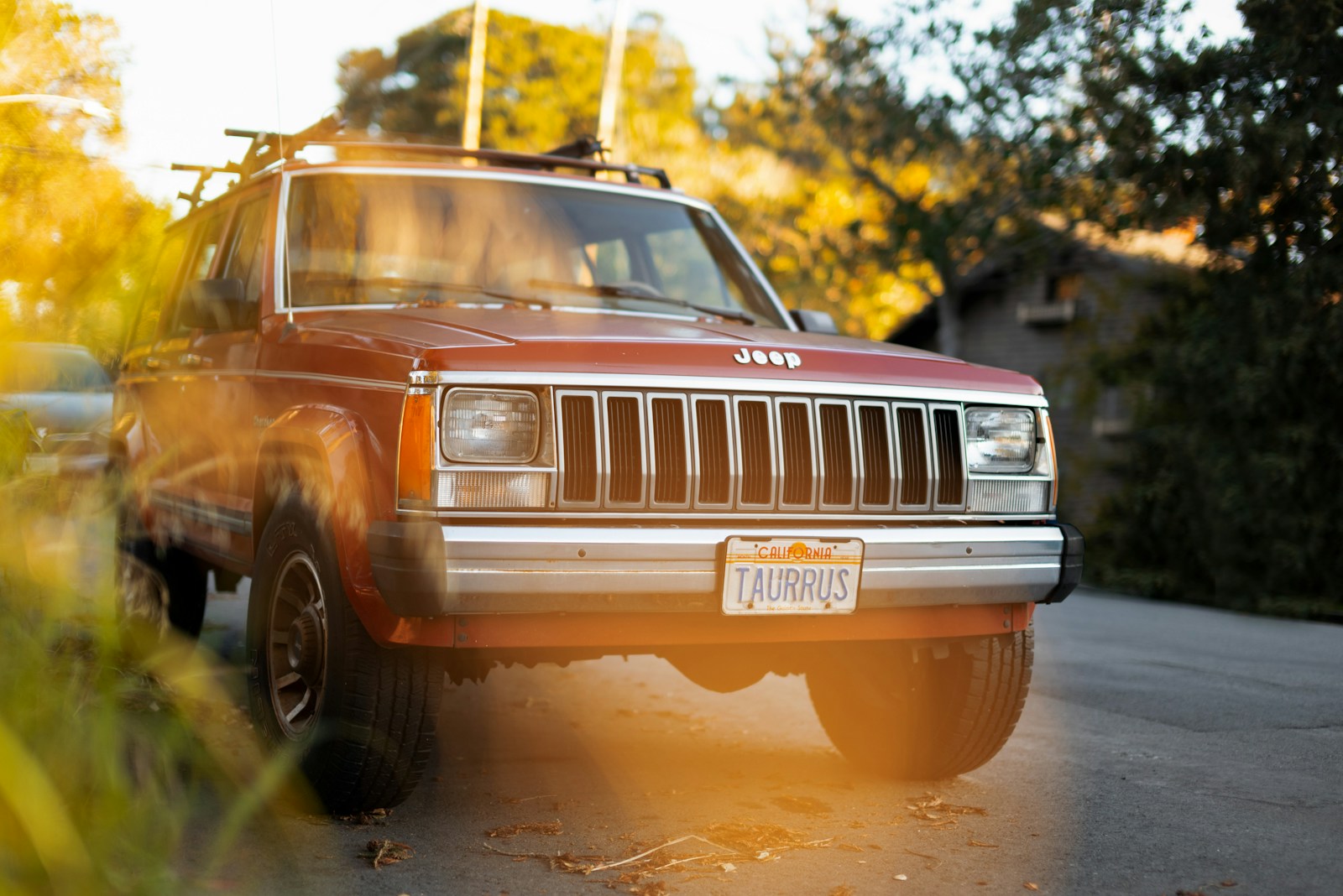
Despite the rapid advancements in automotive technology, there exists a nostalgic market for classic cars that could potentially outsell their modern counterparts if re-released. This trend is particularly significant for car enthusiasts and collectors, who are increasingly seeking vehicles that offer unique designs and simpler mechanics. The revival of these models could cater to a growing desire for retro aesthetics combined with modern reliability.
1. 1969 Ford Mustang
The 1969 Ford Mustang is an iconic muscle car that continues to capture the imagination of car lovers. Its powerful V8 engine options and aggressive styling make it a standout in American automotive history. If Ford were to re-release this model with contemporary safety features and fuel efficiency, it could easily surpass modern sports cars in sales, tapping into a market that values both performance and nostalgia.
2. 1984 Chevrolet Corvette
The 1984 Chevrolet Corvette marks a significant point in Corvette history, being the first to feature a complete redesign since the 1968 model. With its sleek lines and high-performance capabilities, this vehicle has a dedicated fan base. A modern iteration of this classic, equipped with electric powertrains and advanced driver-assistance systems, could draw significant interest and potentially outsell modern sports cars, appealing to both traditional enthusiasts and eco-conscious buyers.
3. 1971 Volkswagen Beetle
The Volkswagen Beetle is one of the best-selling cars of all time, with over 21 million units produced. Its distinctive shape and approachable price point have made it a favorite among drivers of all ages. A re-release of the classic Beetle, redesigned with modern safety and efficiency standards, could attract a new generation of buyers who seek a blend of charm and practicality, potentially outselling current compact cars.
4. 1967 Toyota 2000GT
The 1967 Toyota 2000GT is often regarded as Japan’s first true sports car, featuring a design that has influenced generations of vehicles. Rare and highly prized among collectors, only 351 units were produced, making it a sought-after model. A modern adaptation could leverage its classic styling while incorporating hybrid technology, appealing to both collectors and environmentally conscious drivers, possibly leading to significant sales figures.
5. 1985 BMW M3
The 1985 BMW M3 is celebrated for its performance and handling, making it a benchmark for modern sports sedans. With a lightweight body and a rev-happy engine, it established a legacy that endures today. A reimagined version of the M3 that combines its classic appeal with electric powertrains could attract a large following, especially among enthusiasts who appreciate driving dynamics and modern technology, potentially outselling newer models from other luxury brands.
6. 1970 Dodge Challenger
The 1970 Dodge Challenger is synonymous with the muscle car era, showcasing bold styling and powerful V8 options. Its resurgence in the modern market has been met with enthusiasm, yet a true re-release with retro design elements and contemporary performance upgrades could tap into a more extensive consumer base. Given the muscle car’s enduring popularity, a well-executed revival could surpass sales of current muscle competitors.
7. 1997 Jeep Wrangler
The 1997 Jeep Wrangler remains a beloved model among off-road enthusiasts, known for its rugged capability and distinctive styling. As the Jeep brand continues to evolve, a return to the classic Wrangler’s roots—combined with modern amenities and improved fuel efficiency—could attract both loyal fans and new customers. Given the current off-road vehicle market’s demand, a re-released Wrangler could significantly outperform modern SUVs.
The Potential Impact of Re-Releases
The revival of these classic models highlights a significant consumer desire for authenticity, simplicity, and character in vehicles. Brands that recognize this trend could not only boost their sales figures but also strengthen their connection with a passionate fan base. The automotive industry is shifting towards electric vehicles and advanced technology, yet the allure of classic design remains strong.
Conclusion
As manufacturers explore ways to innovate within the automotive industry, revisiting classic models could be a lucrative strategy. These seven cars represent a unique intersection of nostalgia and modernity, offering opportunities for brands to capture both old and new markets. Enthusiasts and everyday drivers alike are yearning for vehicles that evoke fond memories while meeting contemporary standards.
It is crucial for car manufacturers to take heed of this growing market demand. By considering the re-release of these iconic models, they could tap into a lucrative segment that values both history and innovation. As we move forward,