

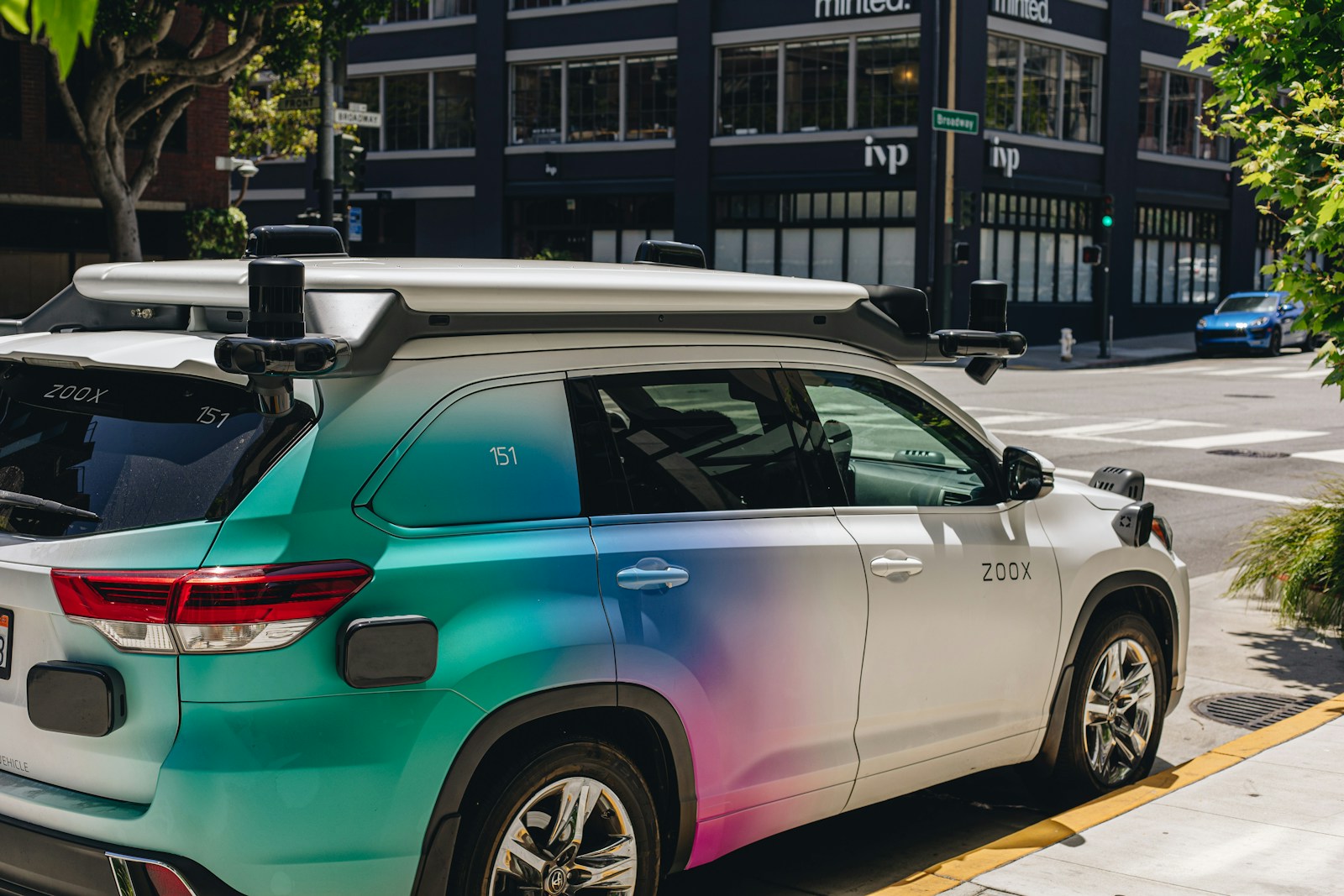
Despite advancements in technology, many Baby Boomers express significant distrust toward self-driving cars, which could impact the adoption rate of autonomous vehicles. As companies like Tesla and Waymo continue to develop and market their self-driving technologies, understanding the concerns of this demographic is essential for potential manufacturers and policymakers alike. With over 70 million Baby Boomers in the United States, their apprehensions could shape the future of automotive innovation.
1. Lack of Familiarity with Technology
Many Baby Boomers did not grow up with the same level of technology that younger generations have. As a result, they may feel overwhelmed by the complexities of self-driving systems. A survey conducted by AAA in 2022 found that only 29% of people aged 65 and older feel comfortable riding in a self-driving vehicle, highlighting a generational gap in technological adoption.
2. Safety Concerns
Safety is a paramount concern for Baby Boomers, particularly as they may be more vulnerable to accidents. A 2021 report from the National Highway Traffic Safety Administration (NHTSA) indicated that self-driving vehicles were involved in 367 crashes that year, raising alarms among older adults. For many Boomers, the idea of relinquishing control to a computer system is daunting, especially when considering the potential for malfunctions or software errors.
3. Previous Incidents and Media Coverage
High-profile accidents involving self-driving vehicles have been widely publicized, further fueling distrust among Baby Boomers. Incidents such as the fatal crash involving a 2018 Uber self-driving car in Tempe, Arizona, have led many to question the reliability of autonomous technology. Such stories dominate news cycles, and when combined with the older generation’s cautious nature, they can create a lasting impression of danger associated with self-driving cars.
4. Fear of Cybersecurity Threats
Baby Boomers are increasingly aware of the threats posed by cyberattacks in a digital world. Self-driving cars rely heavily on complex software systems that can be vulnerable to hacking. A report from McKinsey & Company in 2023 highlighted that 60% of older adults have concerns about the cybersecurity of autonomous vehicles, fearing that malicious actors could take control of the vehicle and endanger lives.
5. Emotional Attachment to Driving
For many Baby Boomers, driving is more than just a mode of transportation; it represents freedom and independence. The loss of this personal connection can evoke feelings of anxiety and reluctance to embrace change. A 2022 survey by AARP found that 66% of respondents aged 50 and older preferred driving themselves rather than relying on technology, emphasizing the emotional ties that many have to the driving experience.
6. Uncertainty about Legal and Insurance Frameworks
The legal landscape surrounding self-driving cars remains murky, with varying regulations across states. Boomers may feel uncertain about liability in the event of an accident involving an autonomous vehicle. According to a 2023 study by the Insurance Institute for Highway Safety, 73% of older adults expressed confusion about how insurance policies would apply to self-driving cars, leaving them hesitant to trust a system that lacks clarity.
7. Limited Exposure to Autonomous Features
While many modern vehicles come equipped with advanced driver-assistance systems (ADAS), such as lane-keeping assist and adaptive cruise control, Baby Boomers may not have extensive experience with these technologies. A report from Consumer Reports in 2023 indicated that only 25% of drivers aged 65 and older had used any form of ADAS, leading to a lack of comfort and familiarity with these features. This limited exposure contributes to their overall skepticism toward fully autonomous vehicles.
Conclusion
The concerns of Baby Boomers regarding self-driving cars are rooted in a combination of technological unfamiliarity, safety fears, and emotional attachments. As the automotive industry moves toward greater automation, it is crucial for manufacturers to address these apprehensions through education, outreach, and transparency. To foster a smoother transition into the age of self-driving cars, stakeholders must prioritize the needs and concerns of this influential demographic.
Readers can take action by advocating for more educational resources on autonomous technology, attending local workshops, or engaging in community discussions about the future of transportation. As technology evolves, staying informed will ensure that every generation can feel secure on the roads of tomorrow.