

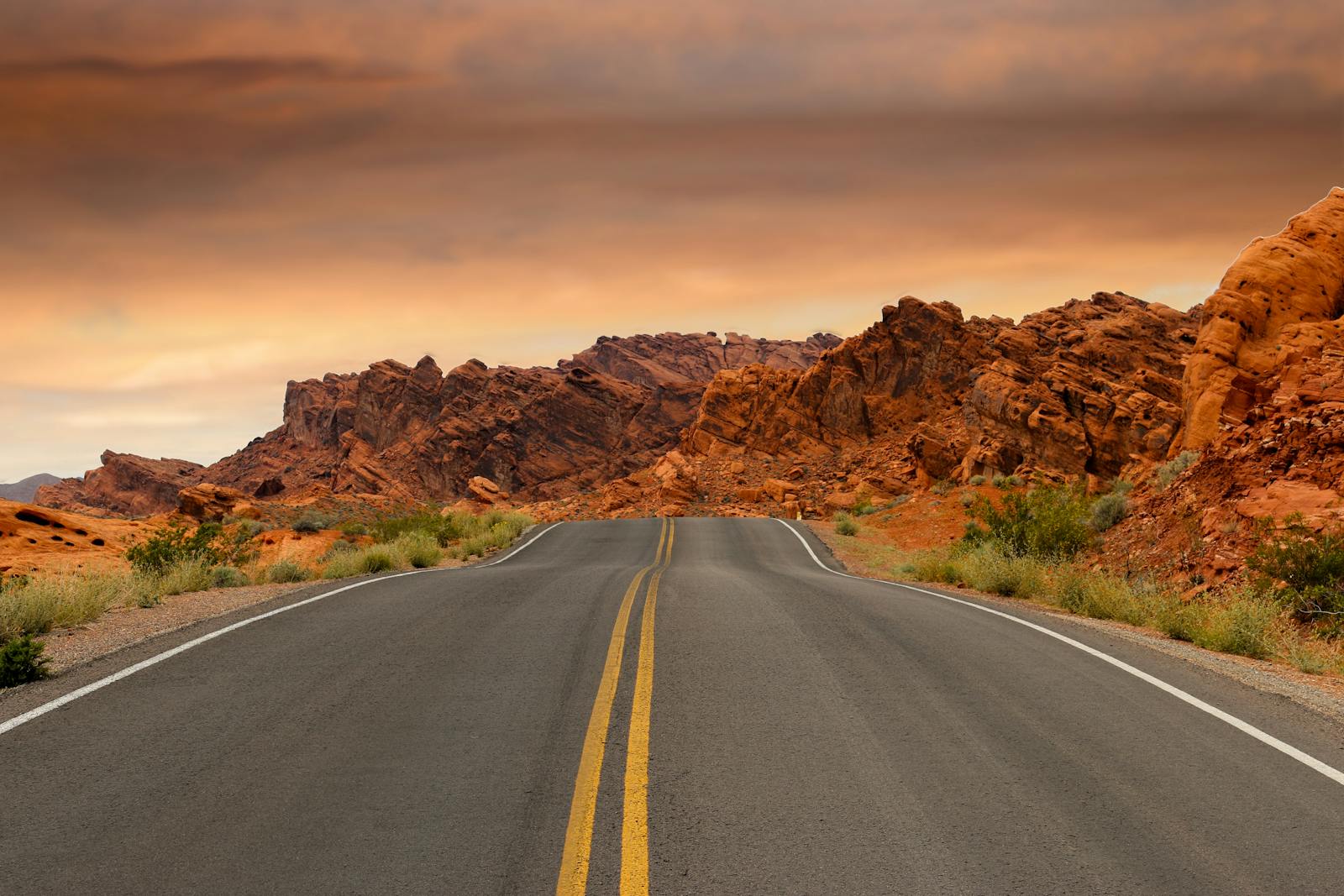
As the aging Baby Boomer generation prepares for retirement and leisure travel, many are expressing concerns that the open road is no longer as accessible or enjoyable as it once was. This sentiment affects millions of Americans who grew up with the freedom of road trips, and it highlights significant changes in the travel landscape that matter for both personal and economic reasons.
1. Rising Fuel Prices
One of the most immediate challenges affecting road travel is the surge in fuel prices. According to the U.S. Energy Information Administration, the national average for a gallon of regular gasoline reached $3.85 in October 2023, a stark increase from $2.80 just two years prior. This price hike strains budgets, particularly for retirees on fixed incomes, making road trips feel less feasible for this demographic.
2. Increasing Vehicle Maintenance Costs
Vehicle ownership has become more expensive due to rising maintenance and repair costs. A recent report from AAA indicates that the average cost of car maintenance has increased by 40% over the past five years, with routine services such as oil changes and tire rotations now costing over $100. Many Boomers, who prefer to maintain their vehicles instead of purchasing new ones, are feeling the pinch of these rising expenses.
3. Changes in Road Infrastructure
Road conditions have declined in many areas, affecting the safety and comfort of travel. The American Society of Civil Engineers gave U.S. roads a grade of D in its 2021 Report Card for America’s Infrastructure. Potholes, crumbling bridges, and inadequate signage can turn a simple road trip into a stressful ordeal, prompting Boomers to reconsider their travel plans.
4. Safety Concerns
Safety on the road has become a pressing issue, especially for older drivers. A 2022 study by the National Highway Traffic Safety Administration revealed that traffic fatalities increased by 10.5% from 2020 to 2021, with a notable rise in accidents involving older drivers. Many Boomers cite fears over reckless driving behavior and distracted driving as reasons for avoiding long-distance travel.
5. The Rise of Remote Work and Virtual Gatherings
The COVID-19 pandemic accelerated a shift toward remote work and virtual gatherings, diminishing the urgency for long-distance travel. A survey conducted by AARP in 2023 found that 65% of Boomers preferred to connect with family and friends through video calls rather than traveling. As a result, the traditional allure of road trips has waned, leading many to feel that the open road is less necessary than it once was.
6. Environmental Concerns
Increased awareness of environmental issues has prompted many Boomers to rethink their travel habits. With climate change becoming a more prominent topic, some individuals are opting for more sustainable modes of transportation or choosing to stay local. According to a 2023 report by the Pew Research Center, 54% of Boomers expressed concern about the environmental impacts of their travel, adding another layer of complexity to their road trip decisions.
7. Shifts in Travel Preferences
Lastly, the travel preferences of Boomers have shifted significantly. Many are now opting for experiences that offer convenience and comfort, such as guided tours or cruises, rather than the unpredictability of road trips. A 2023 survey by Travel Leaders Group found that 72% of Boomers prefer all-inclusive travel packages, with only 28% indicating a preference for traditional road trips. This change reflects a desire for a more structured and worry-free travel experience.
As the Baby Boomer generation grapples with these challenges, it is clear that the open road is not as open as it once was. Economic pressures, safety concerns, and changing travel preferences are reshaping how they perceive road travel. With millions of Boomers feeling this impact, the travel industry must adapt to meet their evolving needs.
For those planning a trip, it is crucial to consider these factors and explore alternatives that may better suit current conditions. Staying informed about fuel prices, vehicle maintenance, and road safety can help make the journey more manageable. As Boomers redefine what the open road means to them, understanding these challenges can lead to smarter travel decisions.
Act now—whether you’re a Baby Boomer or someone planning a trip with family, consider your travel options carefully. Explore local destinations or alternative modes of transportation to ensure your travel experience is as enjoyable and stress-free as possible.