

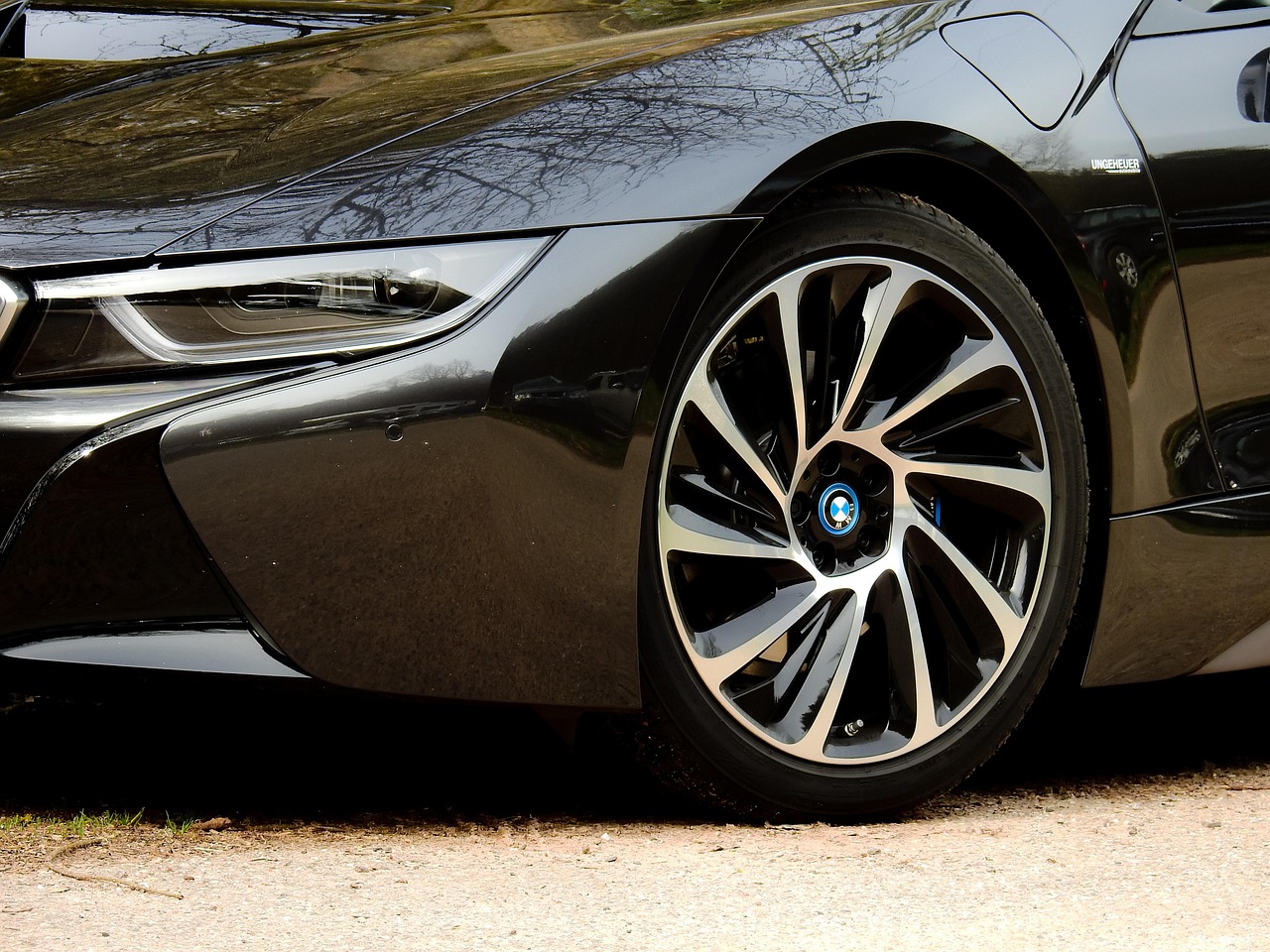
Electric vehicles (EVs) are rapidly becoming a permanent fixture on our roads and in our lives, driven by technological advancements, changing consumer preferences, and regulatory support. As the automotive industry pivots towards electrification, it’s crucial to understand why electric cars are not just a passing trend but a fundamental shift that affects car buyers and the environment alike.
1. Rising Fuel Prices
With gasoline prices fluctuating significantly in recent years, many consumers are looking for alternatives to traditional internal combustion engine vehicles. In October 2023, the national average for a gallon of gasoline reached $4.00, prompting increased interest in electric cars that offer lower operating costs. For example, the 2023 Tesla Model 3 costs about 4 cents per mile to drive, compared to around 14 cents per mile for a gasoline-powered vehicle, making EVs an economically attractive option.
2. Government Incentives
Governments around the world are implementing incentives to encourage the adoption of electric vehicles. In the United States, the Inflation Reduction Act offers tax credits of up to $7,500 for qualifying electric vehicles. Such initiatives make EVs more affordable for consumers and help to offset the higher upfront costs associated with many electric models, such as the 2023 Ford Mustang Mach-E.
3. Battery Technology Improvements
Advancements in battery technology have significantly increased the range and efficiency of electric vehicles. For instance, the 2023 Hyundai Ioniq 5 boasts a range of up to 303 miles on a single charge, alleviating concerns about “range anxiety” that have historically plagued potential EV buyers. As companies invest more in research and development, the performance of electric vehicles is expected to improve even further, making them more appealing to consumers.
4. Environmental Regulations
As countries strive to meet climate goals, stricter emissions regulations are being imposed on traditional vehicles. The European Union has set a goal to cut carbon emissions by 55% by 2030, pushing automakers to invest heavily in electric vehicle production. In response, major manufacturers like General Motors have pledged to transition to an all-electric lineup by 2035, indicating a clear shift toward a more sustainable automotive future.
5. Expanding Charging Infrastructure
The growth of charging infrastructure is making electric vehicles more accessible. As of 2023, the United States has over 146,000 public charging stations, a number that continues to rise as both private companies and government initiatives work to improve availability. This expansion allows electric car owners to charge their vehicles conveniently, alleviating concerns about the lack of charging options during long trips.
6. Consumer Demand
Consumer interest in electric vehicles is surging, with sales reflecting this trend. In the first half of 2023, electric vehicle sales in the U.S. increased by 50% compared to the previous year, reaching over 650,000 units sold. Models like the 2023 Kia EV6 and the 2023 Nissan Leaf have garnered positive reviews, highlighting a growing consumer preference for electric over traditional vehicles.
7. The Shift in Automaker Strategy
Automakers are pivoting their strategies to focus more on electric vehicles, recognizing the shift in consumer preferences and regulatory pressures. Companies like Volkswagen and Ford are investing billions in EV technology, with Volkswagen aiming to sell 1.5 million electric vehicles by 2025. This commitment to electrification suggests that traditional automakers are not just adapting but are also betting their futures on electric vehicles.
Conclusion: The Future is Electric
The convergence of rising fuel prices, government incentives, advancements in battery technology, stringent environmental regulations, expanding charging infrastructure, increasing consumer demand, and strategic shifts by automakers all indicate that electric vehicles are here to stay. As the automotive landscape continues to evolve, it is essential for consumers and industry stakeholders to stay informed about these developments. With the growing popularity and necessity of electric vehicles, now is the time for individuals to consider making the switch to electric.
As we move towards a more sustainable future, it is imperative to act now. Consider your options, research electric vehicle models, and participate in the transition to clean transportation. The time for change is now—don’t get left behind.